Most of us treat the morning like a fire drill. The alarm goes off, we grab the phone, gulp coffee, rush through traffic, and start the day already feeling behind. If your blood pressure is sensitive, that pattern is not just stressful in your mind. It is a daily stress test for your cardiovascular system. A calmer morning routine is not about turning yourself into a wellness influencer. It is about giving your body a predictable script so your blood vessels and nervous system are not constantly jolted from one extreme to another. Blood pressure is not random. It responds to signals. Light, movement, food, caffeine, and emotional stress all send messages to your body. Your morning is simply the first cluster of those messages you send each day. If you wake into bright natural light, gentle movement, and low drama, your nervous system has a better chance of staying in a balanced state. If you wake into darkness, noise, notifications, and a strong coffee on an empty stomach, your system has to work much harder to stabilise you.
The story of a stable morning routine actually begins the night before. Early morning blood pressure is strongly influenced by sleep quality, alcohol, late heavy meals, and how well you recovered from the previous day. If you push yourself through the week on five hours of broken sleep, there is a limit to how much any routine can fix. Your cardiovascular system prefers rhythm over heroics. Keeping roughly the same bedtime and wake time, even on weekends, helps your internal clock regulate blood pressure and hormones in a more stable way. You do not need perfection. Even a narrower range of sleep and wake times is better than wild swings between Monday and Saturday. The way you wake up is another piece of the story. A harsh, blaring alarm in a completely dark room can feel like a shock to your system. You move from deep sleep to perceived threat in a split second. If you can, use a gradual alarm that starts softer and gets louder over time, or a light based alarm that brightens your room before the sound kicks in. Even something as simple as leaving your curtains slightly open so that morning light filters in can reduce that sense of being yanked out of sleep. You are trying to avoid throwing your nervous system from zero to one hundred in one moment.
In those first few minutes after waking, what you do with your attention matters. Reaching for your phone immediately floods your mind with work messages, social comparisons, and news from around the world. Your brain is still orienting itself, yet suddenly it is processing potential conflicts, deadlines, and social pressure. That mental load shows up in your physiology. Heart rate, stress hormones, and blood pressure can all rise. Parking your phone outside the bedroom or at least out of arm’s reach gives you a small buffer. Sitting up, placing your feet on the floor, taking a few slow breaths, and simply noticing how you feel is a gentler way to enter the day.
Hydration is a simple but underrated stabiliser. During the night your body loses fluid through breathing and sweat. If you wake up slightly dehydrated, your body has to adjust blood volume and circulation. Those adjustments can affect blood pressure. Making it a habit to drink a glass of water soon after waking gives your system an easier start. You do not need special drinks or powders. Placing a filled bottle or glass beside your bed before you sleep turns this into an automatic step that requires very little effort.
Movement is another key pillar, but it does not need to be a punishing workout. In the first thirty to forty minutes after waking, gentle movement acts like a friendly nudge to your cardiovascular system. A short walk, some light stretches, or a simple mobility routine tells your blood vessels and muscles that the day has started without overwhelming them. If you enjoy morning exercise, you can still keep your higher intensity sessions on days when you have slept well and feel strong. On days when you feel depleted, swapping a hard workout for a relaxed walk and moving the heavy training to later in the day can protect you from unnecessary spikes.
Caffeine is a familiar friend for many people, but it comes with trade offs. Coffee or strong tea shortly after waking can temporarily increase blood pressure, especially if you are sensitive or not a regular caffeine user. Many people drink their first cup on an empty stomach while still half dehydrated and stressed about the day. This stacks several acute stressors at once. A more stable approach is to hydrate first, get in a few minutes of movement, and then have your caffeine with or after a light breakfast. You still get the mental boost, but the impact on your cardiovascular system tends to be less abrupt.
Breakfast itself can either support or disrupt your morning stability. A meal built almost entirely from sugar and refined carbohydrates pushes your blood sugar up quickly, then lets it crash. Your energy swings and your nervous system responds. A steadier pattern comes from including some protein, some healthy fat, and some fibre in your first meal. It does not have to be complicated. Eggs with whole grain toast, yogurt with fruit and nuts, or tofu and vegetables are all simple examples. The goal is to avoid turning the first hour of your day into a blood sugar roller coaster.
Breathing techniques are a quiet but powerful lever you can add to your routine. Slow, controlled breathing helps your nervous system shift away from a constant fight or flight state. A basic pattern is enough. Sit comfortably, breathe in through your nose for about four seconds, then breathe out for about six seconds. Keeping the exhale slightly longer signals to your body that it is safe to ease off. Doing this for even five minutes can reduce tension and can help soften acute jumps in blood pressure. You can fit this in before your walk, after it, or even while your coffee is brewing.
As you move from home into work, the way you start your working day also affects your body. If you jump straight into multitasking, heated conversations, and constant switching between tasks, your mind and cardiovascular system are both pushed into a stressed state. Whenever possible, protect the first twenty to thirty minutes of work for a single important but manageable task. This does not remove stress from your job, but it gives your body a chance to settle into the day before the bigger waves arrive.
If you take blood pressure medication, your morning routine is the natural place to anchor it. Taking your medication at the same time and in the same sequence each day makes it easier to stay consistent and helps your doctor interpret your readings. You might pair it with your first glass of water, with breakfast, or with brushing your teeth. The fewer decisions you have to make around it, the more likely you are to keep up the habit over months and years. The physical environment where you wake and get ready also shapes your experience. Harsh lighting, constant noise, and visible clutter all add background stress. You might not consciously think about it, but your body processes it. In the morning, aim for lighting that is gentle yet bright enough to signal wakefulness. Choose intentional sounds, like soft music, instead of a constant stream of notifications. Clearing just a small area where you always sit to drink your water or practise your breathing can give your brain a familiar, safe anchor point in the middle of a busy home.
A morning routine that supports stable blood pressure does not need to be long or elaborate. What it needs is layering and consistency. Waking more gently, delaying your phone, hydrating, moving lightly, eating for stable energy, timing your caffeine more thoughtfully, practising a few minutes of slow breathing, and starting work with a clear, focused task are all pieces that can fit together into a realistic ninety minute block. You do not have to hit every element perfectly every day. You are aiming for a pattern that holds even when life is messy.
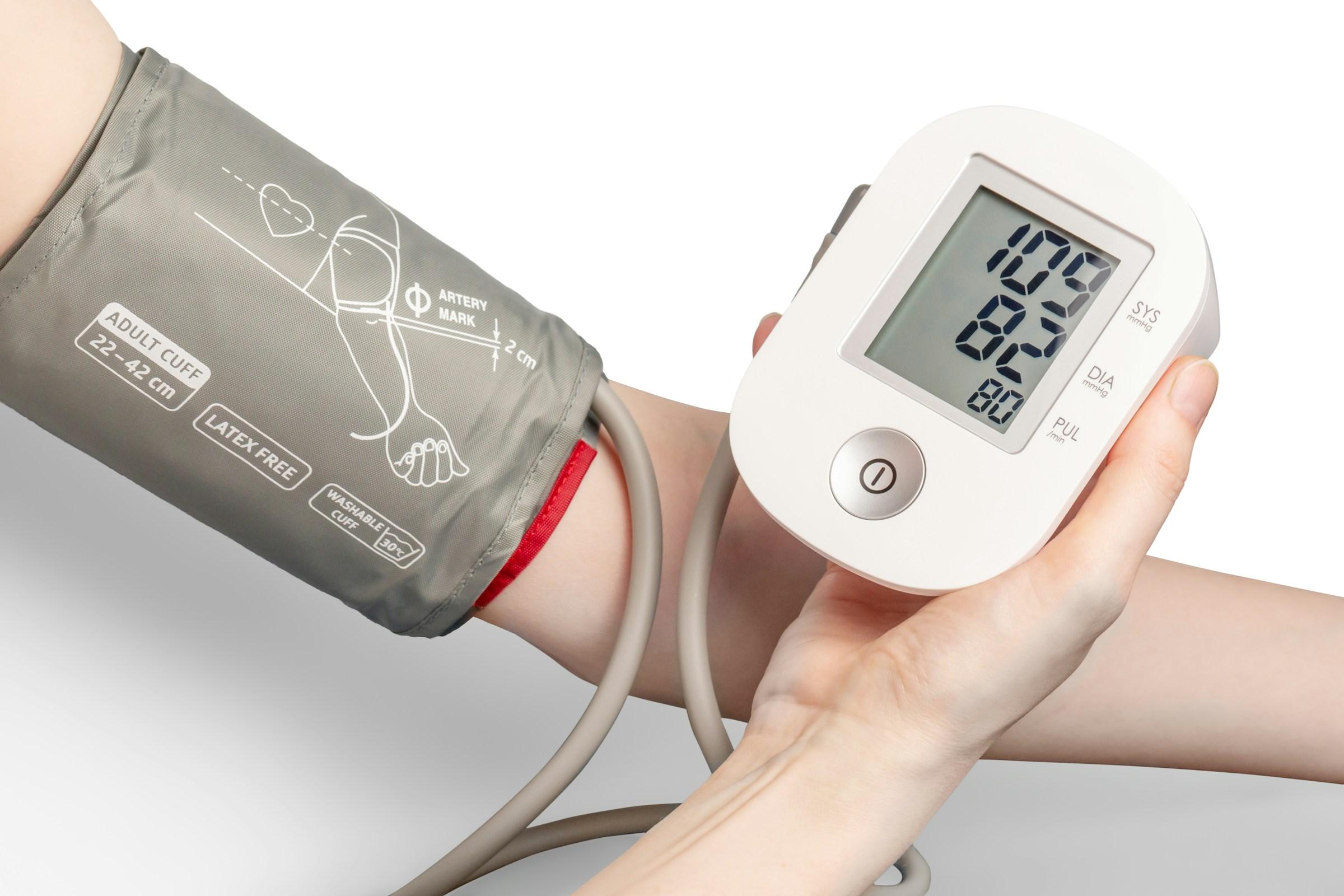
To understand how well your routine is working, it helps to measure. Using a validated home blood pressure monitor at the same time each morning, ideally before caffeine and heavy activity unless your doctor has advised otherwise, gives you a clearer picture of your trends. It is more useful to look at patterns across weeks than to worry about single readings. If you change your routine, keep the new version for at least a week before deciding whether it helps. Real life will always bring constraints. You might have young children, shift work, long commutes, or caregiving responsibilities. These realities may mean that your ideal morning exists only on paper. What matters then is adaptation. Maybe your walk is just a few laps in the corridor while your coffee brews. Maybe your breathing practice happens on the train with your eyes open. The routine does not need to look aesthetic or impressive from the outside. It needs to be something you can repeat on your worst day, not only on your best.
None of this replaces medical care. If your blood pressure is consistently high, if you experience chest pain, shortness of breath, severe headaches, or if you have a personal or family history of heart disease or stroke, you need to work with a healthcare professional. A thoughtful morning routine is a supportive tool inside a larger plan. It can improve your daily stability and your sense of control, but it does not diagnose or treat illness on its own. In the end, building a morning routine that keeps your blood pressure stable is an act of quiet respect for your body. You are choosing to send calmer, more predictable signals at the moment of the day when your system is most impressionable. Over time, those small choices can add up. A glass of water waiting by your bed, a few minutes without your phone, a short walk in the morning light, a slower exhale on your breath, and a gentler entry into work all tell the same story. The story is that your day can begin in stability rather than panic, and your cardiovascular system can finally stop bracing for impact the moment you wake.
 WhatsApp
 Instagram
 Threads