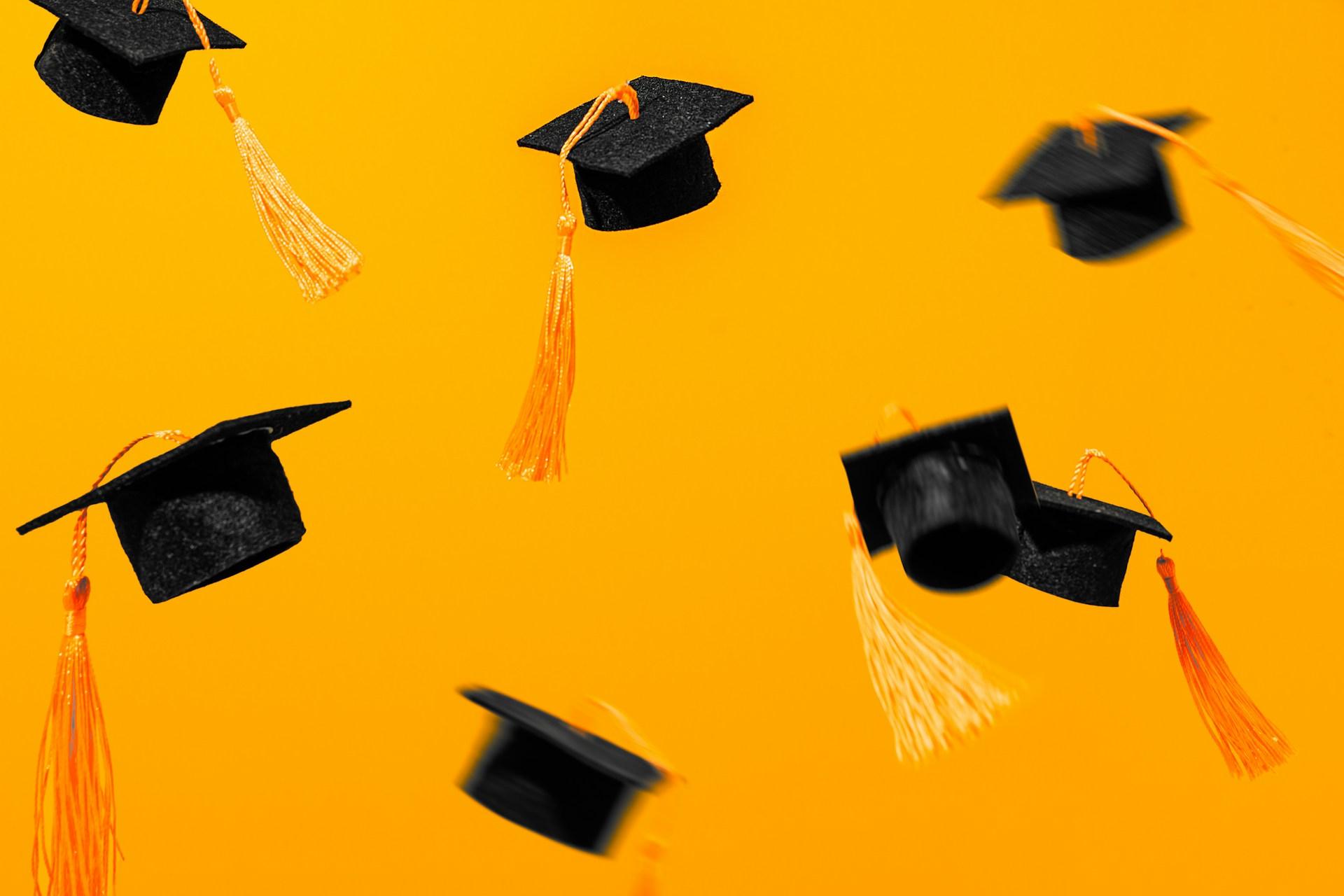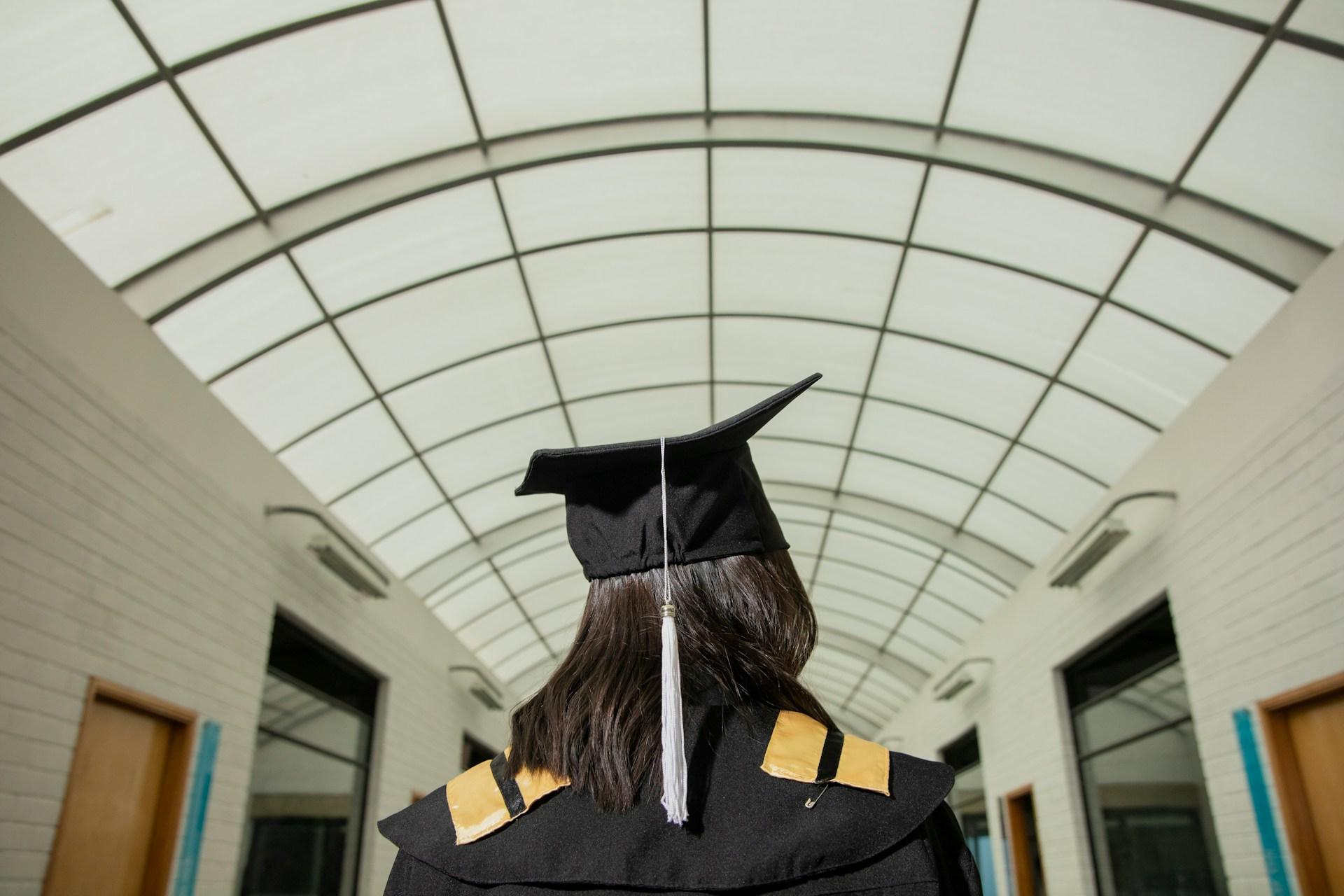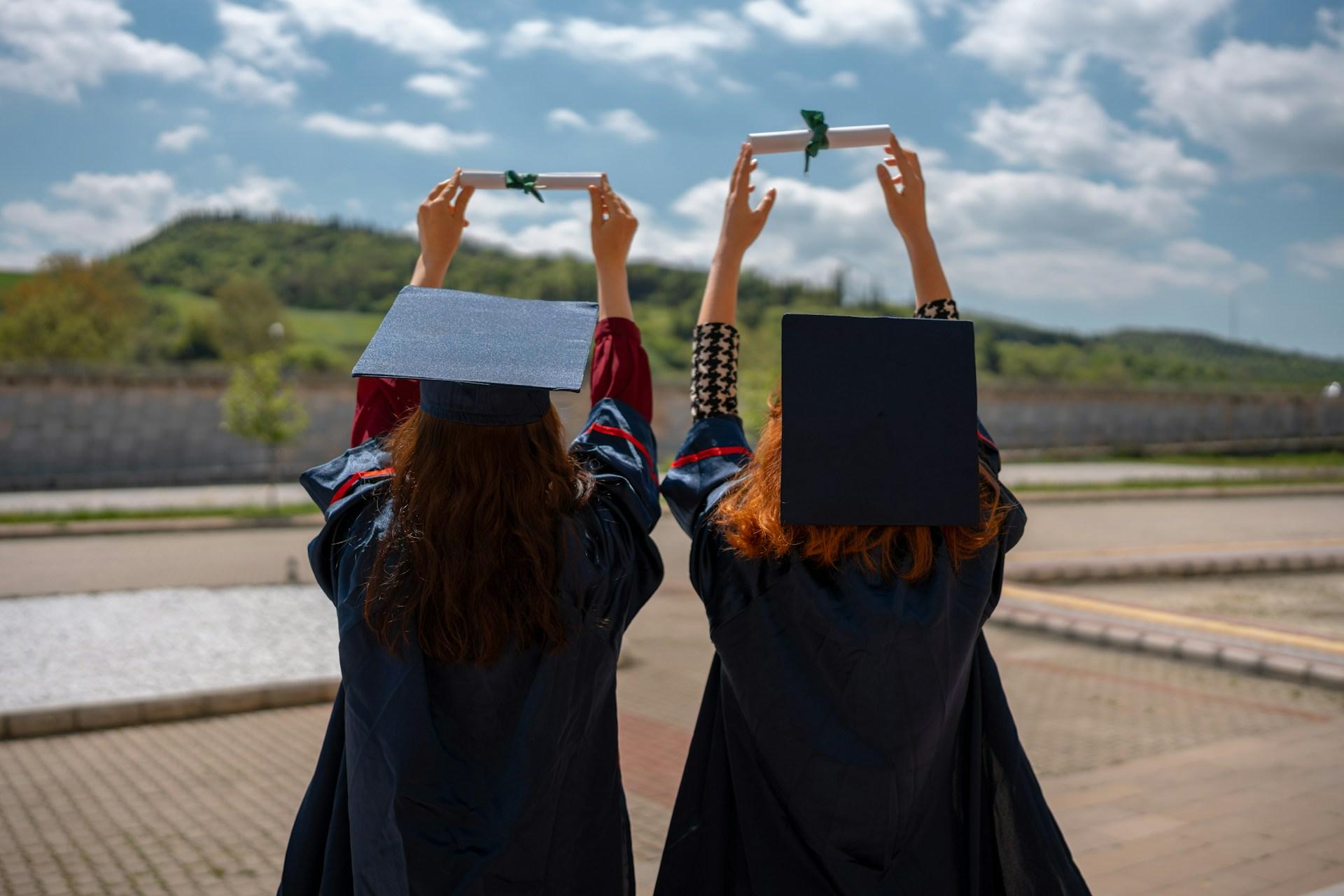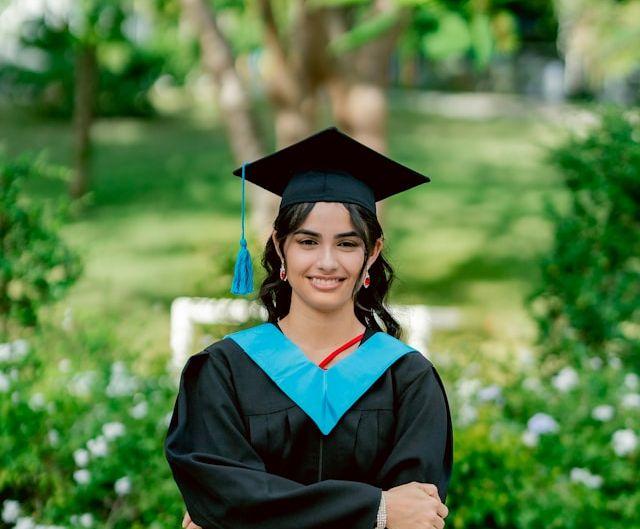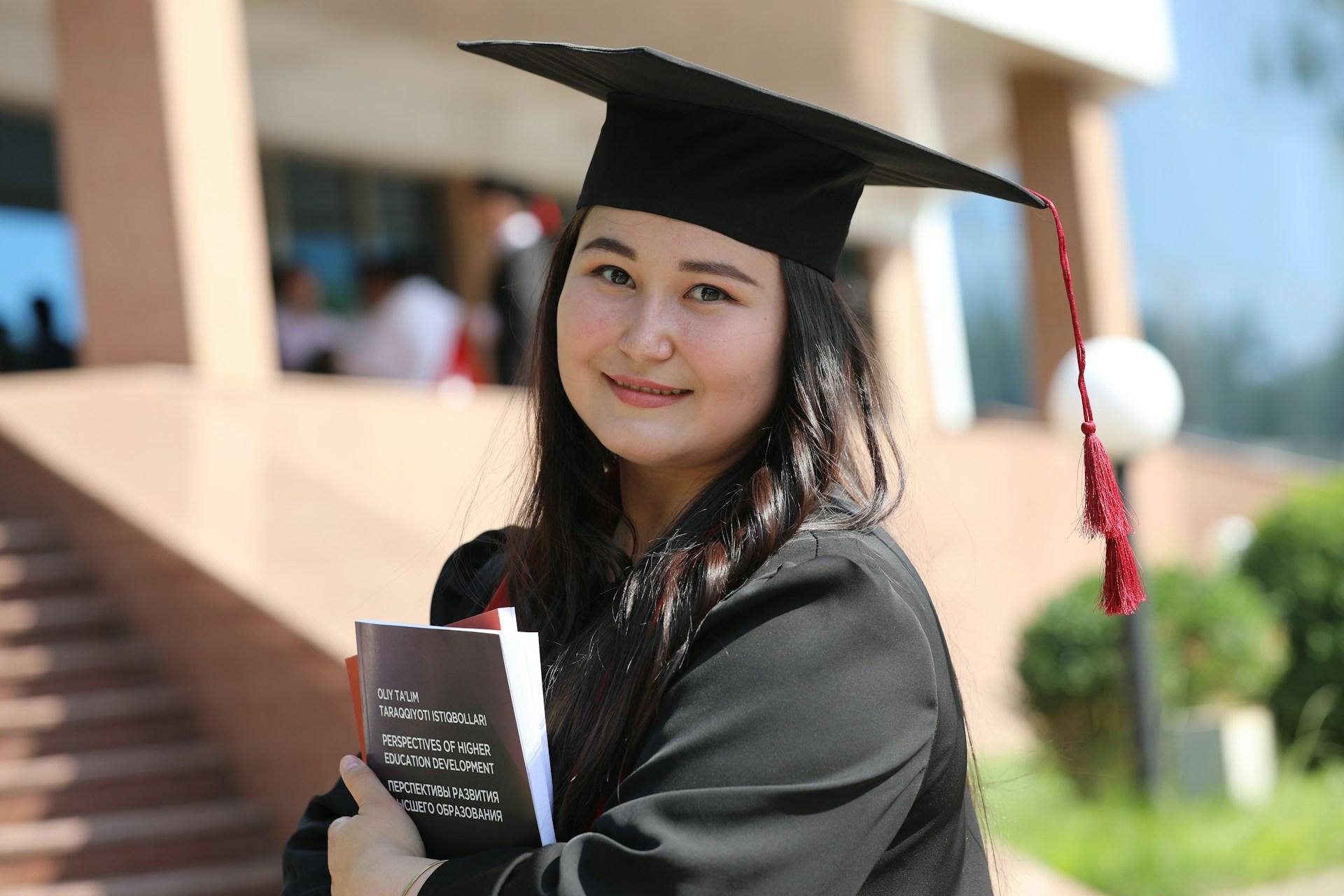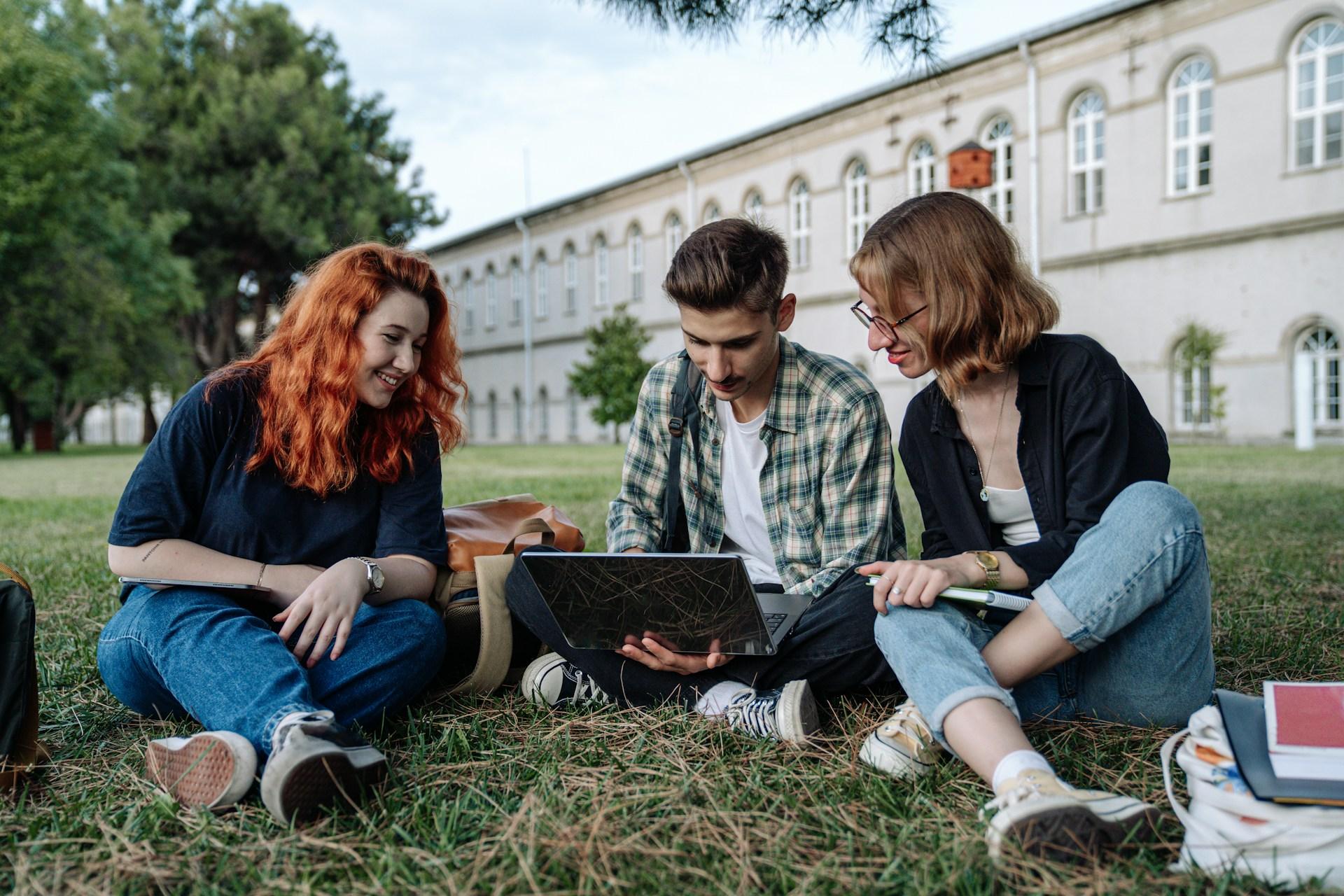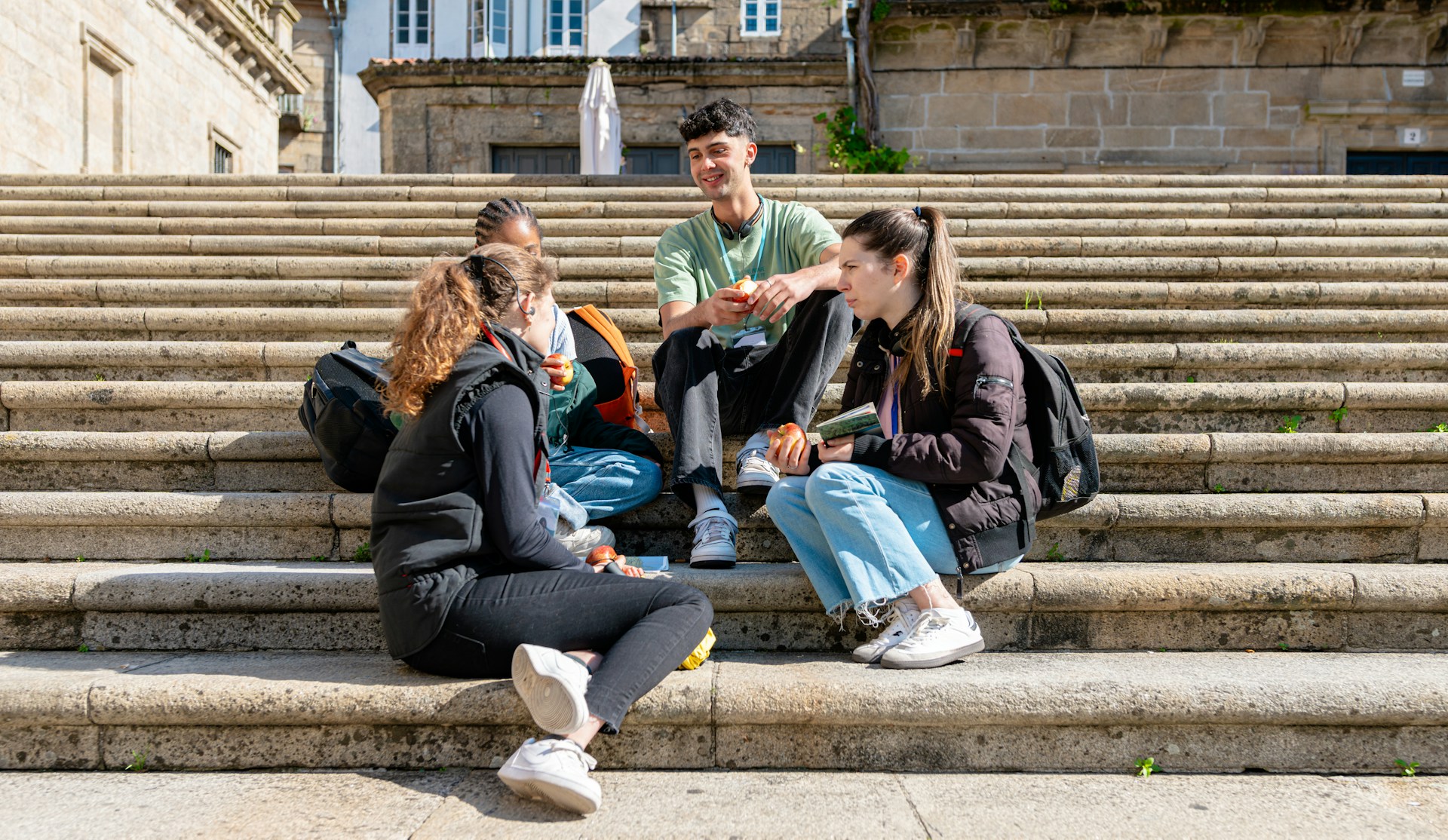
Higher education has become one of the most debated choices of modern adulthood. It sits at the center of online arguments, family expectations, and economic anxiety. One person posts a graduation photo as proof of progress, while another replies that a degree is only paper. Someone else points out they built a good income without finishing college, and another quietly admits they left not from lack of ambition but because continuing was too expensive. These competing stories show why the topic still matters. The importance of higher education is no longer explained with a simple promise of a better job. It is now tied to questions of credibility, opportunity, personal growth, and how people learn to navigate a fast changing world.
Even with growing skepticism, a degree remains a powerful signal. Employers still use educational requirements to narrow down applicants, especially when they receive hundreds of resumes for a single role. Families still treat graduation as a milestone that represents discipline and potential. In many places, education is also linked to professional licensing and mobility, including the ability to access better roles locally or abroad. This does not mean a degree automatically proves talent, or that those without one lack ability. It simply means higher education continues to function as a widely recognized credential. In a world where anyone can present themselves as an expert online, institutions still carry authority, and their certifications continue to influence who gets considered, trusted, and promoted.
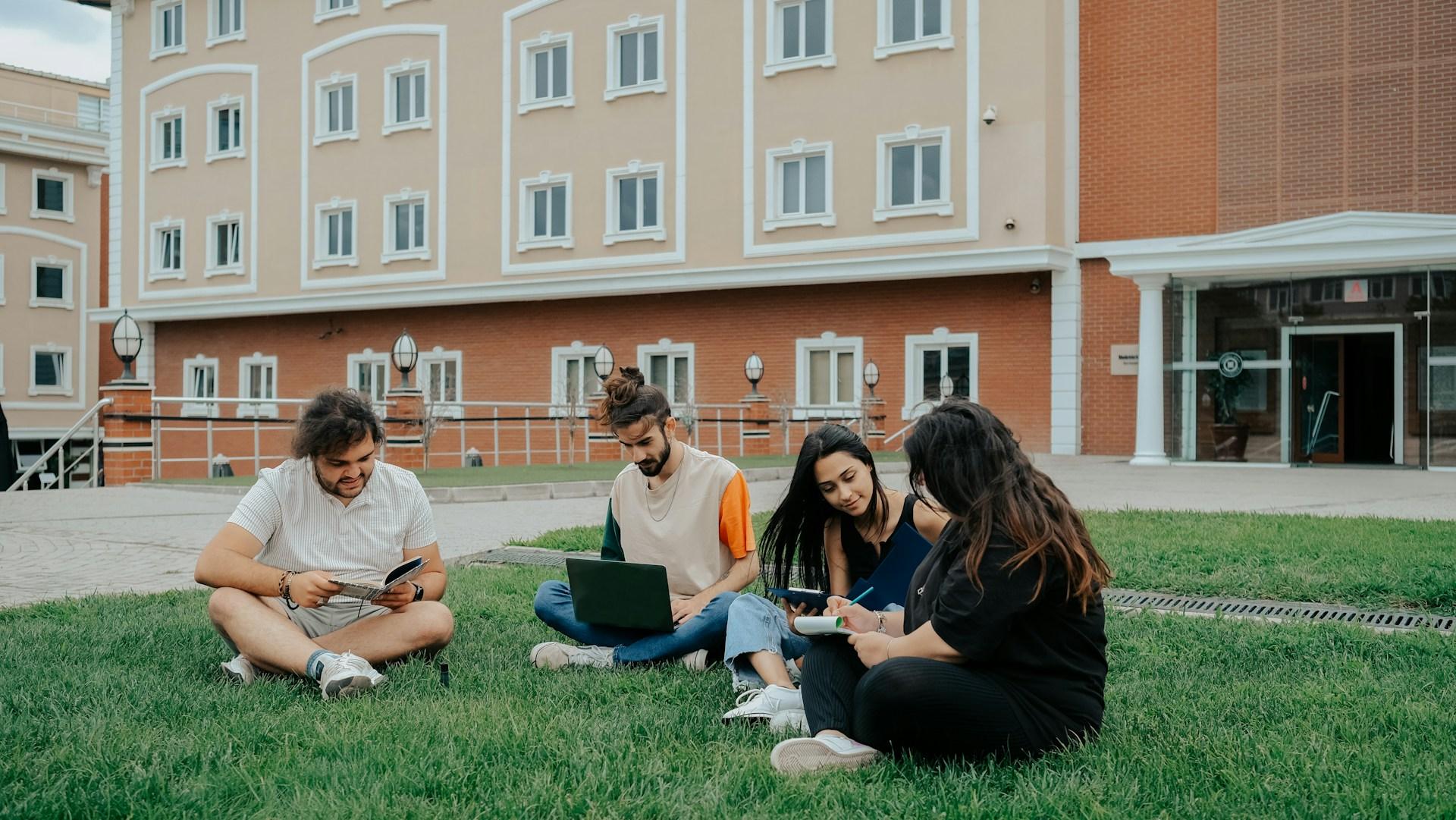
However, the value of higher education is not limited to the credential. Its deeper importance often lies in what the environment provides. College and university create structured time to develop skills that are difficult to build in isolation. Students practice writing clearly, presenting ideas, working through disagreements, and accepting critique. They learn how to organize information, meet deadlines, and finish complex tasks even when motivation fades. These are not glamorous skills, but they are crucial. Higher education also places people in close contact with different backgrounds, beliefs, and ambitions, which can widen perspective in ways that a purely self directed path may not.
For many students, especially those without strong networks or family connections, higher education can become a bridge to resources that are otherwise hard to access. Universities may offer mentors, internships, career services, alumni networks, libraries, laboratories, and exposure to fields that were not visible in their hometowns. It is not a perfect bridge, and it does not erase inequality. Yet it can still provide a runway, a period where becoming is socially supported. Instead of being expected to know everything immediately, students are allowed to learn, explore, and adjust. For people navigating unfamiliar systems, that supported transition can matter as much as the knowledge gained.
Higher education also plays a role in identity formation. While it is easy to think of school as only academic, the experience often reshapes how people see themselves and the world. Students encounter ideas that challenge what they assumed was normal. They meet peers who grew up in different realities and begin to understand that their own experience is only one version of life. They learn which beliefs they truly hold and which ones they inherited. In the process, they may experiment with new interests and values, sometimes awkwardly, sometimes bravely. This is not a minor side effect. It is a key part of how education expands a person’s capacity to live among others with empathy and clarity.
In an era overwhelmed by information, the importance of higher education also includes the ability to think carefully. Misinformation moves fast, and confidence often spreads faster than truth. New technologies can generate convincing content that is not always accurate. In this environment, learning how knowledge is produced becomes essential. Education can teach the difference between evidence and opinion, between argument and assumption, and between a claim that sounds good and a claim that is supported. Not every program does this equally well, but when it is done well, it builds discernment, which is one of the most valuable skills a person can have.
At the same time, criticism of higher education is not baseless. Cost remains a major barrier, particularly in places where tuition and living expenses create long term financial strain. Degree inflation is another issue, where jobs that once required minimal credentials now demand a bachelor’s degree even if the actual work has not changed. Universities can also lag behind industries that evolve quickly, leaving some graduates unsure how to translate their learning into a practical path. As alternative routes become more visible through apprenticeships, online learning, and skills based hiring, it makes sense that many people question whether the traditional path is necessary for everyone.
Still, alternatives do not erase the relevance of higher education. They simply remind us that there are multiple ways to build a life, and that people should not be judged solely by the route they took. Higher education remains one of the most recognized ways to convert sustained effort into widely understood credibility. It does not guarantee stability or success, but it can increase access and expand options. It can also offer something increasingly rare: a structured space for deep attention. In a culture shaped by speed, distraction, and constant opinion, the chance to slow down, study carefully, and engage with complexity can be both practical and personal.
Ultimately, the importance of higher education today rests in its layered value. It can open doors through credentials, develop transferable skills through structure, expand perspective through community, and strengthen discernment through critical thinking. The system deserves reform, especially around affordability and access, yet the experience at its best still offers a meaningful advantage. It is not only about employment outcomes. It is also about building the capacity to adapt, communicate, and make sense of the world with more confidence and depth.
 WhatsApp
 Instagram
 Threads