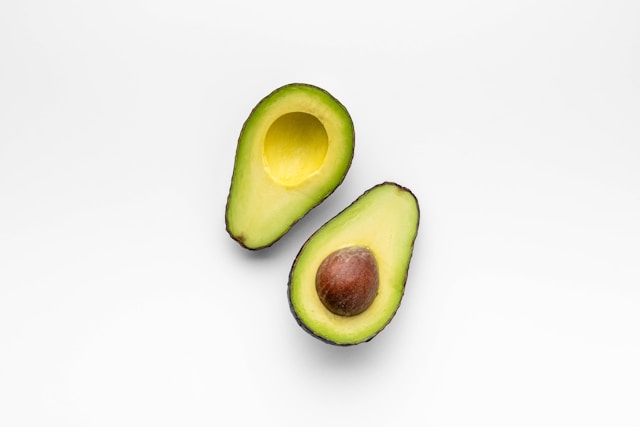
People often treat dietary fat like a garnish. A little drizzle of olive oil, a few slices of avocado, maybe some salmon when they are trying to be healthier. But when it comes to hormone balance, fat is not a decorative extra. It is part of the body’s underlying infrastructure. Hormones are chemical messages, and your body needs the right raw materials to build them, the right surfaces to receive them, and the right nutritional environment to keep those messages steady instead of chaotic.
That is why fats matter so much. They do not just provide energy. They help your endocrine system function as a reliable communication network. When your fat intake is consistently too low, or when your overall intake swings between restriction and overcorrection, the hormone system often becomes less predictable. Sleep can become lighter. Mood can feel more reactive. Hunger can turn intense, strangely muted, or simply confusing. Training recovery can slow. For some people, cycles become irregular. For others, libido drops or energy feels flat. These changes can have many causes, but fat intake often sits quietly in the background as a foundational piece.
A big reason fats are tied to hormones is that some hormones are built from lipid related molecules. The body makes steroid hormones, including cortisol, estrogen, progesterone, and testosterone, using cholesterol as a starting material. Cholesterol is not just a number on a lab report. It is part of the biochemical pathway your body uses to create essential hormones. This does not mean you should chase high cholesterol or eat recklessly. It does mean that thinking of fat as optional misses how the system is designed. Hormone production is not happening in a vacuum. It is happening in a body that needs consistent inputs and adequate building blocks.
Even beyond hormone creation, fats are central to how hormone signals get delivered and understood. Every hormone needs a target. Many hormone receptors sit within cell membranes, and those membranes are made largely from lipids. A cell membrane is not just a wrapper. It is an active surface where signaling happens. The types of fats you regularly eat influence the fatty acid composition of cell membranes, which can affect membrane properties and the behavior of proteins embedded in them. In everyday terms, your food choices help shape the physical environment where hormone messages are received. When the environment is supportive, signals tend to be clearer. When it is not, the system may become less responsive or less stable.
Fats also matter because they help the body absorb nutrients that play hormone related roles. Vitamins A, D, E, and K are fat soluble. That means your body absorbs them more effectively when dietary fat is present. These vitamins do not only support general health. They are tied to processes that influence immune function, bone health, reproduction, and cellular signaling. Vitamin D is especially relevant because it behaves more like a hormone than a typical vitamin, with receptors throughout the body. If someone eats in a way that chronically minimizes fat, absorption of these fat soluble nutrients can become less reliable. Over time, that can weaken the nutritional foundation that hormone balance depends on.
The conversation gets even more interesting when you look at essential fatty acids and the signaling molecules the body makes from them. Omega 3 and omega 6 fats are used to create compounds involved in cellular communication. These compounds influence many systems, including immune response and inflammatory signaling, which can indirectly affect hormonal patterns. Hormone balance is not only about sex hormones or thyroid hormones. It is also about how the body manages stress, recovery, and metabolic stability. When signaling pathways are constantly pushed toward stress and repair, other hormone functions can shift to match that reality.
This is where many people experience the most noticeable day to day effects, through appetite, energy, and stress hormones. Hormones such as leptin and ghrelin help regulate hunger and satiety, communicating between the body and brain about energy availability. When dietary patterns become erratic, hunger signals often become erratic too. When someone restricts heavily, leptin can drop and the body may respond with stronger hunger signals and increased preoccupation with food. When sleep is poor, ghrelin can rise and appetite can increase, especially for highly palatable foods. Stress can amplify these effects by altering cortisol patterns and changing how the body manages blood sugar and cravings.
Dietary fat plays a supporting role here because it helps meals feel complete and sustaining. Fats slow gastric emptying and often improve satiety, which can help smooth out the peaks and crashes that make hunger feel urgent. That does not mean fat is magic or that it should dominate your diet. It means that meals built only around very lean protein and vegetables can sometimes leave people feeling physically full but hormonally unsatisfied. The body might still respond as if energy is scarce, especially if total calorie intake is low or if intense training is layered on top.
That combination is worth highlighting because it is common. Many people cut calories, cut fat, increase training, and reduce rest, all at the same time. On paper, it looks disciplined. In the body, it can read like prolonged scarcity. When the body perceives scarcity, it prioritizes survival. Stress signaling becomes more prominent, while long term functions like reproduction, growth, and some aspects of repair become less urgent. In women, chronic low energy availability can contribute to menstrual disruption, especially among athletes and highly active individuals. In men, very low fat diets and aggressive restriction have been associated in some studies with lower testosterone, although responses vary depending on the individual and the overall dietary context. The larger point is consistent: hormones respond to patterns, and patterns that continually signal shortage often produce hormonal shifts that reflect that shortage.
So when people ask why fats play a key role in hormone balance, the answer is that fat is involved at multiple layers of the system. It supports the building of certain hormones, influences the membranes and receptors that receive hormonal messages, enables absorption of fat soluble nutrients tied to endocrine function, and contributes to steadier satiety and energy regulation. Hormonal health is rarely improved by chasing extremes, and fat intake is no exception. Too little fat can undermine nutrient absorption and satiety. Too much fat can push calories too high without people noticing, since fat is calorie dense. The most practical approach for most people is a balanced pattern that includes enough fat to support function without turning the diet into a runaway surplus.
In real life, this balance is not complicated, but it does require letting go of fear. It means allowing cooking oils in normal amounts instead of treating them as forbidden. It means choosing fats that support long term cardiovascular health most of the time, such as olive oil, nuts, seeds, and fatty fish, while keeping saturated fats present but not dominant. It means eating in a way that does not require constant willpower to sustain. If a diet only works when your schedule is perfect, your stress is low, and you have time to track everything, it is probably not an endocrine friendly diet. Hormones are shaped by consistency.
In Singapore or Malaysia, a hormone supportive approach can look like simple meals that include reasonable fat without turning every plate into a rich feast. Eggs with tofu, tempeh cooked with a sensible amount of oil, ikan kembung or sardines when they fit your budget, a handful of peanuts, or sesame used in cooking are all ordinary choices that help provide dietary fats in a realistic way. The goal is not to chase a perfect ratio. The goal is to stop sending mixed signals. When you eat enough to support your activity, and when fat is present consistently, the body tends to feel safer. Safer bodies often run calmer hormonal patterns.
It also helps to focus on outcomes rather than ideology. If you want to know whether your intake supports hormone balance, watch what your body does over weeks and months. Are you sleeping deeply and waking with stable energy, or are you wired at night and sluggish in the morning? Does your hunger feel steady and predictable, or does it swing between numbness and intensity? Are you recovering from workouts, or are you constantly sore and flat? If you menstruate, do your cycles feel stable, or have they become irregular with increased restriction or training volume? These outputs do not diagnose specific conditions, but they reveal whether your overall pattern is supportive.
Finally, it is important to remember that dietary fat is one piece of the hormone puzzle, not the whole puzzle. Protein adequacy matters. Carbohydrates influence training performance and can affect how the body interprets energy availability. Sleep and stress management can change hormone signals even when diet is perfect. Alcohol can disrupt hormonal rhythms and sleep quality. Still, fat deserves more respect than it usually gets. It is a structural nutrient. It influences communication at the cellular level. It supports absorption of key nutrients. It shapes satiety and energy stability. When it is missing or minimized for too long, the endocrine system often adapts in ways people do not enjoy.
If you are dealing with persistent symptoms such as missed periods, fertility concerns, unexplained weight change, severe fatigue, hair loss, or suspected thyroid issues, treat it as a medical conversation rather than a nutrition experiment. A clinician can help rule out underlying causes and interpret labs in context. But for everyday hormone resilience, one of the simplest and most underrated steps is to stop treating fat like a guilty pleasure and start treating it like the basic tool it is.
 WhatsApp
 Instagram
 Threads