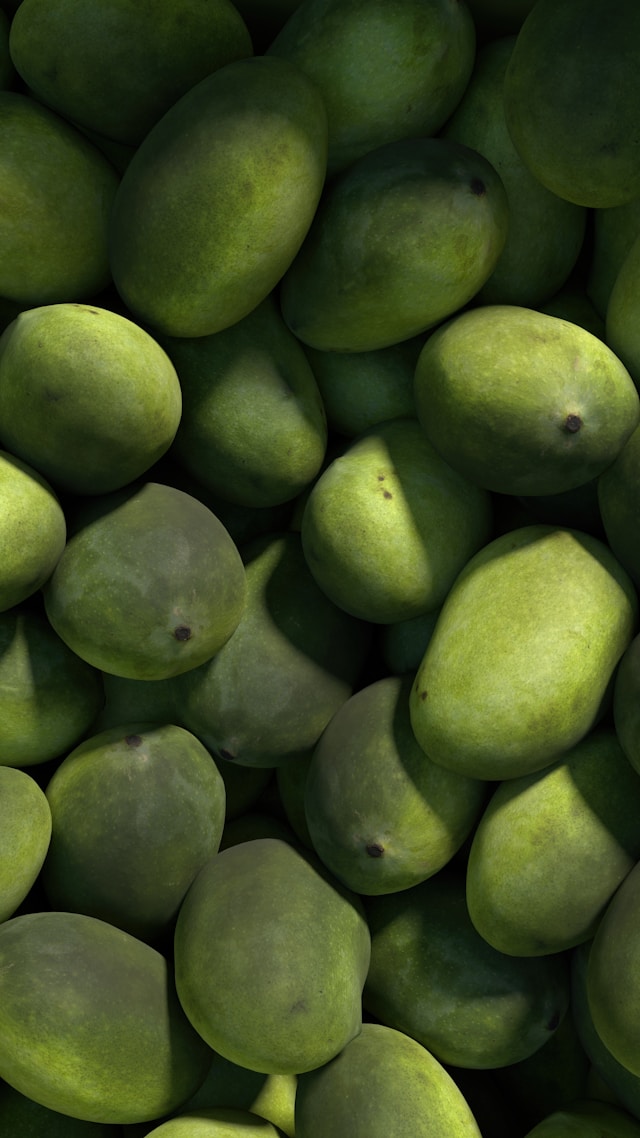
Green mango has a way of grabbing your attention. The sour bite feels clean and refreshing, and it is often paired with salt, chili, or a sweet dipping sauce that makes the flavor even louder. Because it is still mango, many people assume it behaves like ripe mango in the body. But green mango is different in a few important ways. It is more acidic, its starches are less broken down, and the peel and sap can contain compounds that irritate the skin in people who are sensitive. As a result, the side effects of green mango usually fall into two broad areas: digestive discomfort and allergic or skin reactions.
The most common side effect is stomach irritation. Green mango tastes sharp because it contains more acids than ripe mango. In a person with a sturdy digestive system, a few slices may cause no problems at all. In someone who already deals with acid reflux, a sensitive stomach lining, or frequent heartburn, that same acidity can feel harsh. The discomfort often shows up as burning in the chest or upper abdomen, sour burps, nausea, or a heavy feeling that lingers after eating. This is especially likely when green mango is eaten on an empty stomach, or when it is eaten quickly in a large amount, because the stomach receives a concentrated dose of sourness without much buffer.
Green mango can also trigger cramps or diarrhea in some people, and there are a couple of reasons this happens. One is simple irritation. Sour foods and spicy seasonings can stimulate the gut and sometimes push it into overdrive. Many people enjoy green mango with chili powder, sambal, or very salty seasoning blends, and the combination can be rough on a sensitive digestive tract. Another reason is that mango is a fruit that can be difficult for some people to digest in larger portions, especially those who are prone to bloating or IBS-type symptoms. When the gut struggles to absorb certain sugars fully, water can be pulled into the intestines and fermentation can increase, leading to gas, loose stools, and abdominal discomfort. This is why two people can eat the same snack and have very different outcomes. It is not only about the mango itself, but also about the person’s baseline gut sensitivity and the amount eaten.
Mouth and throat irritation is another complaint people sometimes notice with green mango. The sourness can make the mouth feel raw, especially if you already have a sore throat, mouth ulcers, or dry lips. If you add chili, that sensation can intensify. For many people, this is simply a temporary irritation that fades after water and time. However, mouth symptoms can also overlap with allergy-related reactions, which is why it helps to pay attention to how the symptoms feel and how quickly they appear.
Allergic reactions to mango are not common, but they are real. Some people experience itching or tingling in the mouth, lips, or throat shortly after eating mango, particularly when the fruit is raw. This pattern can resemble oral allergy syndrome, where the immune system reacts to proteins in certain raw fruits that resemble pollen allergens. When this happens, the discomfort is often localized to the mouth and throat and may be mild, though it can feel alarming because it involves the airway area. In more significant allergy cases, people can develop hives, swelling, or more widespread symptoms. Severe reactions are rare, but any signs of breathing difficulty, facial swelling, or rapid worsening symptoms should be treated as urgent.
The most underestimated side effect of mango, especially green mango, involves the skin. Mango is in the same plant family as poison ivy and poison oak, and the peel can contain urushiol-like compounds. For a person who has been sensitized, even small exposure to the peel or sap can trigger allergic contact dermatitis. This type of reaction is not always immediate. It often appears hours later, which makes it easy to miss the connection. A person may eat mango in the afternoon, feel fine that evening, then wake up the next day with an itchy rash around the mouth, on the cheeks, or on the hands. Sometimes the rash can look like small bumps, redness, or even blistering in more intense cases.
This matters because green mango is often handled more aggressively than ripe mango. People peel it, slice it, or bite close to the skin. Hands come in contact with the peel, and those hands may then touch the face or lips. If you are prone to this kind of reaction, the solution is often practical rather than dramatic. Wash the mango before cutting it. Peel it with a knife rather than your teeth. Avoid eating the skin. Try not to scrape the flesh that sits right beneath the peel if you have reacted before. These small habits can reduce the amount of irritating compounds that reach your skin.
There is also a group of people who should be generally more cautious with mango due to cross-reactivity patterns. Individuals with latex allergy, or those with a history of strong plant-related skin reactions, may have a higher chance of reacting to certain fruits. Not everyone in these groups will react to mango, but the idea is to approach it with awareness. If you have reacted to mango before, especially with rashes around the mouth or itchy swelling, it is wise to treat future exposures thoughtfully rather than assuming it was a one-time fluke.
Food handling is another factor that can shape the experience. Green mango is often sold pre-sliced or prepared as a snack. Any cut fruit can become risky if it is handled with unclean tools, left sitting at warm temperatures, or exposed to repeated contact. That does not mean green mango is unsafe by nature. It means the usual rules of food hygiene still apply. Freshly cut fruit that is cleanly prepared is usually fine. Fruit that has been sitting out for a long time or looks overly wet, oxidized, or mishandled is more likely to cause stomach trouble that has nothing to do with mango chemistry and everything to do with contamination.
In the end, green mango is best understood as a potent version of a familiar fruit. Most people can enjoy it with no issues. The side effects tend to appear when the portion is large, the seasonings are aggressive, the stomach is already sensitive, or the peel comes into contact with skin that is easily irritated. Paying attention to your own patterns is the key. If green mango consistently triggers heartburn, stomach cramps, or diarrhea, smaller servings and eating it after a meal may help. If you notice rashes around the mouth or itchiness after handling the peel, focus on peeling methods and limiting skin contact. And if you ever experience serious allergy symptoms such as widespread hives, swelling of the face or throat, or difficulty breathing, that is not a situation to wait out. Green mango can be a joyful snack, but like many intense foods, it rewards moderation and respect. When you understand how its acidity, sugars, and peel compounds affect different bodies, you can keep the pleasure and reduce the chance that your stomach, skin, or immune system will push back.
 WhatsApp
 Instagram
 Threads