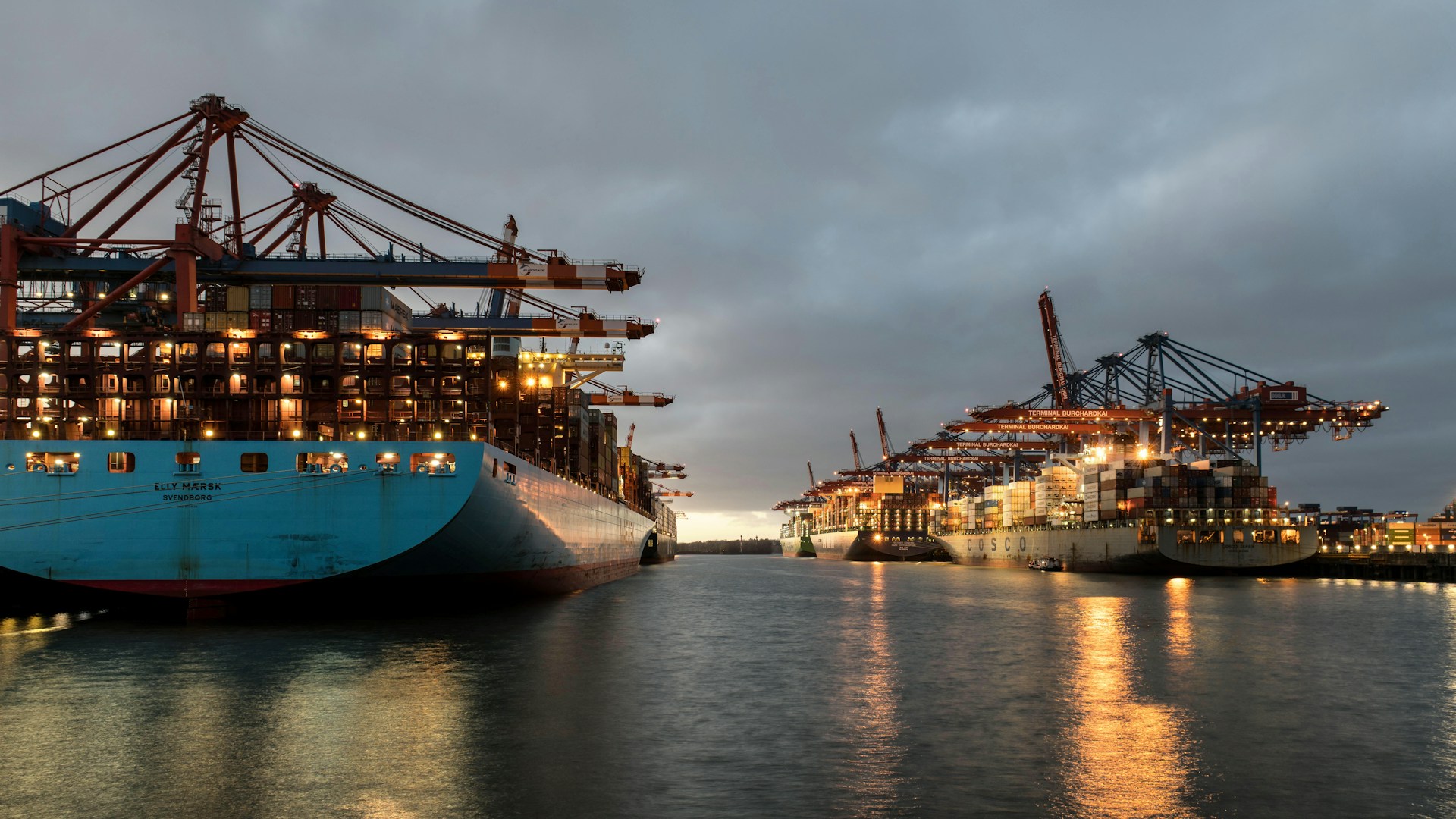
Economic growth is often treated like a single number that should rise as quickly as possible, but speed and imbalance can carry hidden costs. Rapid growth can feel like a national success story because jobs expand, incomes rise, and confidence spreads. Uneven growth can look equally impressive in aggregate because headline GDP remains strong. Yet in both situations, the economy can accumulate pressure beneath the surface, creating vulnerabilities that only become obvious when conditions change.
One of the first risks of rapid growth is that it can outpace an economy’s real capacity. When there is slack, growth is relatively smooth because unused labor and idle factories can be brought back into production. Once that slack disappears, bottlenecks start to dominate. Housing cannot be built overnight, skilled workers cannot be trained instantly, and ports, utilities, and public services can become strained. These capacity constraints turn growth into friction. People experience it as shortages, delays, and rising costs, while businesses face higher input prices and uncertain supply timelines. If policymakers misread capacity driven price increases and respond too aggressively, they can trigger an unnecessary downturn. If they ignore the pressures, inflation can become entrenched and harder to reverse.
Inflation itself is more than a simple story about prices rising. In fast growing economies, inflation can distort decision making across the system. Long-term planning becomes more difficult because businesses cannot confidently estimate costs or demand. Workers may feel poorer even when wages rise because essential expenses, especially housing and food, increase faster than incomes. Governments also face rising costs for infrastructure and public services, making budgets harder to manage. When inflation is concentrated in everyday necessities, it becomes politically sensitive and can quickly undermine public trust in leadership and institutions.
Rapid growth also tends to encourage credit expansion, which increases the risk of asset bubbles. During a boom, lending becomes easier, investors become more optimistic, and asset prices can rise faster than underlying value. Housing markets, stock markets, and private investment valuations may start to reflect expectations that growth will continue indefinitely. The danger is not only that bubbles eventually burst, but that they misallocate resources while they inflate. Capital and talent may flow into sectors that benefit from speculation rather than those that build long-term productivity. When the cycle reverses, economies can be left with excessive debt, unfinished projects, weaker banks, and households that are financially stretched.
Another major risk is that rapid growth can hide weak productivity. Early stages of expansion often come from adding labor and building infrastructure, which can lift output quickly. The problem appears when a country assumes this input driven model can last forever. Over time, wages rise, easy efficiency gains are exhausted, and competition becomes tougher. If the economy has not invested in innovation, skills development, and higher value industries, growth can slow sharply. What looked like sustained success can turn into stagnation, not because growth was harmful by itself, but because the foundations were not strengthened during the boom.
Uneven growth introduces its own set of problems, often more socially corrosive than simple slow growth. When growth is concentrated in certain regions or industries, the national economy can look healthy while many households experience little improvement. Prosperity may cluster in major cities, export hubs, or high skill sectors, while smaller towns and traditional industries fall behind. Over time, this creates widening gaps between urban and rural populations, between professionals and lower wage workers, and between asset owners and those who rely mainly on wages. These divides fuel the perception that the economy is unfair, which can weaken social cohesion and raise political tension.
Uneven growth also contributes to labor market mismatch. In booming sectors, companies struggle to hire and wages rise quickly. In struggling sectors or regions, workers may face underemployment, low wage work, or long job searches. Education and training systems often cannot adjust fast enough to shifting needs, leaving a country with a paradox of skills shortages alongside unemployment. This mismatch reduces overall productivity and places pressure on public budgets, because governments are asked to address social challenges that are rooted in structural imbalances.
Public finances can appear strong during periods of fast growth, but that strength can be misleading. Tax revenues often rise quickly in a boom, which can encourage governments to expand spending and commit to long-term programs. If the boom is tied to a narrow base, such as commodities, real estate transactions, or a few dominant industries, revenues can fall sharply when conditions shift. Uneven growth makes this problem worse if the tax base becomes concentrated in a few locations or sectors. The state can become overly dependent on the winners and politically pressured to protect them, reinforcing inequality and making fiscal stability more fragile.
External risks also grow when expansion is rapid or concentrated. Fast growing economies often import more goods, machinery, and consumer products, which can widen trade deficits. If those deficits are financed by short-term investment inflows, the economy becomes vulnerable to changes in global financial conditions. A shift in investor confidence, rising interest rates abroad, or a global slowdown can trigger capital outflows, currency pressure, and forced domestic tightening. When growth depends heavily on a single export sector, the economy also becomes more exposed to external shocks like trade restrictions, geopolitical conflict, or sudden shifts in global demand.
Beyond markets and numbers, rapid or uneven growth can erode social cohesion, which is a real economic input. When people believe the system rewards only a small group, trust in institutions weakens. Political polarization rises, making long-term planning harder. Policy becomes more reactive, shaped by short-term pressure rather than long-range goals. Businesses then face higher uncertainty, households become more anxious, and investment decisions turn more cautious. Over time, these social strains reduce the ability of the economy to innovate and adapt.
Environmental and resource constraints represent another major risk. Rapid growth often increases energy consumption, land use, and pollution. If environmental costs are ignored, societies may face delayed but severe consequences in the form of public health burdens, disaster related losses, and expensive retrofits. These problems do not grow in a straight line. They compound. A city’s air quality can deteriorate rapidly, flood risk can rise dramatically with poor development choices, and energy systems can become unstable as demand surges. When environmental constraints start to bind, they can cap growth and force abrupt transitions that are far more costly than gradual, planned reforms.
Finally, rapid and uneven growth both increase the likelihood of policy mistakes. Leaders may see strong headline numbers and assume the system is sound, while citizens focus on inflation and inequality. Different institutions react to different problems, and the result can be uncoordinated or late responses. The most common error is chasing yesterday’s conditions by tightening too much after inflation is already easing or subsidizing sectors that are already overheating. In this environment, the quality of institutions and the ability to build economic shock absorbers become critical.
In the end, the true risk is not growth itself, but growth that is pursued without balance, resilience, or fairness. Rapid growth can overheat an economy, inflate bubbles, and expose weak foundations. Uneven growth can fracture trust, widen inequality, and weaken long-term stability. Sustainable growth is less about moving quickly and more about building an economy that can keep expanding without repeatedly triggering crises or leaving large parts of society behind.
 WhatsApp
 Instagram
 Threads

.jpg&w=3840&q=75)

.jpg&w=3840&q=75)