Search engine optimization, often shortened to SEO, delivers its biggest value when a small business treats it as a long-term growth system rather than a one-off marketing task. At its core, SEO helps a company appear when people are actively searching for answers, services, or products. This difference matters because search is driven by intent. Instead of trying to interrupt someone’s day and persuade them to care, SEO positions a business in front of customers who are already looking for a solution. When a brand matches that intent with clear, helpful pages, the visitors it attracts tend to be more qualified and more likely to take action.
One of the most practical benefits of SEO is its ability to lower customer acquisition costs over time. Paid advertising can generate results quickly, but it operates like an auction where costs often rise as more competitors bid for the same audience. If a business depends on paid channels alone, its growth can become unstable, especially when ad prices spike or conversions fluctuate. SEO changes that dynamic by building an organic stream of traffic that does not require paying for every click. While SEO is not truly free, because it takes time and effort to create and maintain quality content and a reliable website, it can improve the overall economics of marketing. As organic visibility grows, a business gains flexibility. It can use paid ads more strategically for launches or targeted campaigns rather than relying on them as the only way to generate leads.
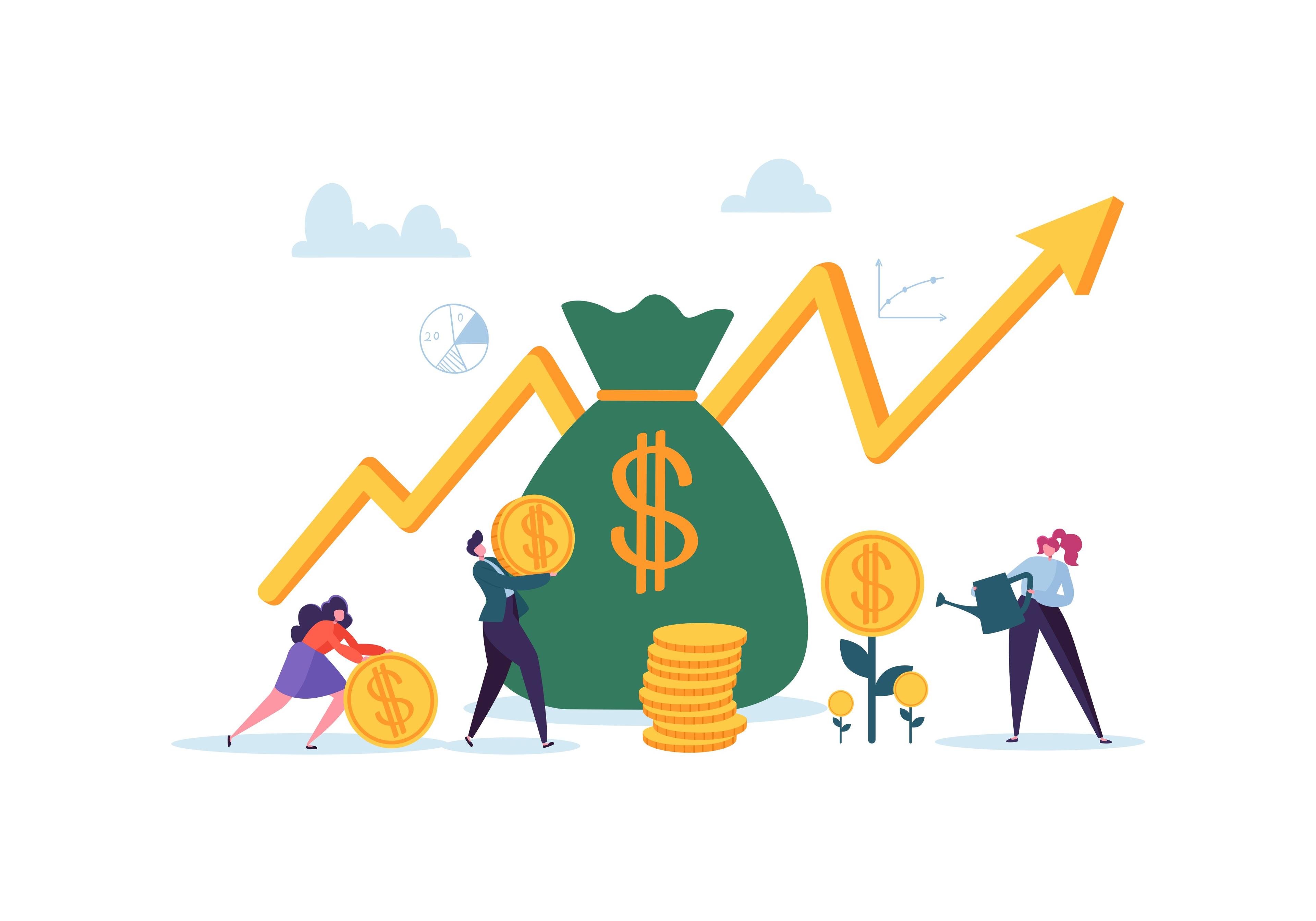
SEO also has a compounding effect that makes it different from many other marketing activities. Advertising stops producing results the moment spending stops, but a strong page can continue to attract visitors for months or even years. Over time, a library of helpful pages becomes a business asset. Each new piece of content can support the next by strengthening topical relevance and guiding visitors through a clearer path to purchase. This compounding impact encourages better planning because it shifts attention from short bursts of traffic to durable performance. Instead of constantly chasing the next campaign, a business can build a foundation that steadily brings in demand.
Another important advantage is trust. Many customers use search results as a form of vetting. When a business consistently appears across relevant searches and provides useful explanations, comparisons, and answers, it begins to feel like a credible choice. That credibility can shorten the sales cycle because potential customers arrive with more confidence and clearer expectations. In practical terms, this often shows up as longer time on site, deeper engagement with pages, and higher-quality leads. For a smaller company competing against larger brands, SEO can be a way to win without outspending competitors. It allows a business to demonstrate expertise and authority through clarity and usefulness rather than through sheer marketing budget.
SEO also tends to improve the overall quality of a website, which benefits every other channel. A site that ranks well usually loads quickly, works smoothly on mobile devices, and presents information in a structured and easy-to-understand way. These improvements do not only help with search rankings. They also raise conversion rates for paid ads, social traffic, referral visitors, and email campaigns because users experience fewer friction points. When pages are clearer and faster, more visitors take the next step, whether that means making a purchase, submitting a form, or booking a consultation. In this sense, SEO often acts like a push toward operational discipline. It encourages businesses to maintain a website that is organized, user-friendly, and aligned with how customers actually make decisions.
Beyond performance gains, SEO provides insight into how customers think and what they care about. Search queries reflect real questions and real needs, often expressed in the exact language customers use. This makes SEO research valuable as a form of market research. It can reveal new customer segments, overlooked use cases, and common objections that should be addressed on product pages, in onboarding, or in customer education. When a business learns what customers repeatedly search for, it can improve its messaging and even make better product decisions. In many cases, the most valuable outcome is not just more traffic but clearer understanding of what the market expects.
For service-based companies, local SEO can be especially powerful. People searching for nearby services often have immediate intent, and visibility in local results can translate directly into calls, bookings, and walk-ins. A well-managed online presence, including accurate business information and strong reviews, helps a local business earn attention at the exact moment someone is ready to choose a provider. This reduces dependence on lead platforms that charge for visibility and can create a cycle where good service leads to good reviews, and good reviews lead to more business.
SEO also reduces the risks that come from depending too heavily on a single platform. Social algorithms change, advertising costs fluctuate, and tracking rules evolve. While search is not immune to changes, it often provides more stability because it is tied to ongoing demand. People will continue to search for solutions, comparisons, and advice regardless of which social platform is trending. For a small business, that stability can matter as much as the traffic itself because it creates a second engine for growth and protects the business from sudden channel disruptions.
When SEO is built properly, it supports the entire customer journey rather than only early-stage awareness. Educational content helps people who are learning, comparison pages help people who are evaluating options, and strong product or service pages help people who are ready to buy. A business that builds these layers can guide customers from first curiosity to final decision without relying on constant paid promotion. Over time, this structure can even reduce customer support load because people find answers through searchable guides and documentation, which improves customer experience and retention.
Taken together, the main benefits of SEO come down to sustainable growth, stronger trust, and better marketing economics. It helps a business reach people with high intent, reduces reliance on paid advertising, and creates assets that compound over time. It also strengthens the website, sharpens customer understanding, and builds resilience against platform changes. When approached with clear goals and consistent improvement, SEO becomes more than a marketing tool. It becomes a reliable system that supports long-term business momentum.
 WhatsApp
 Instagram
 Threads

-1.jpg&w=3840&q=75)