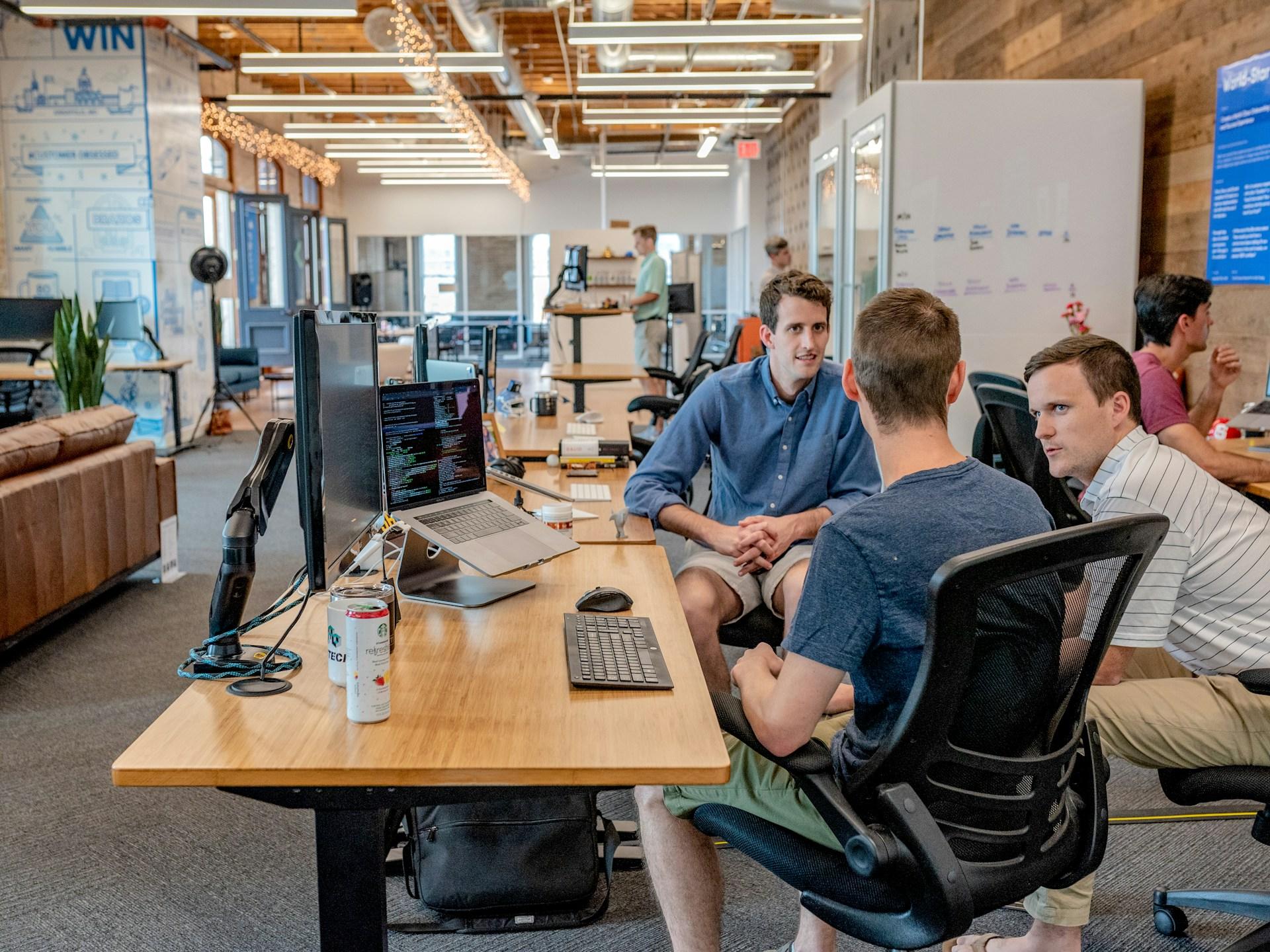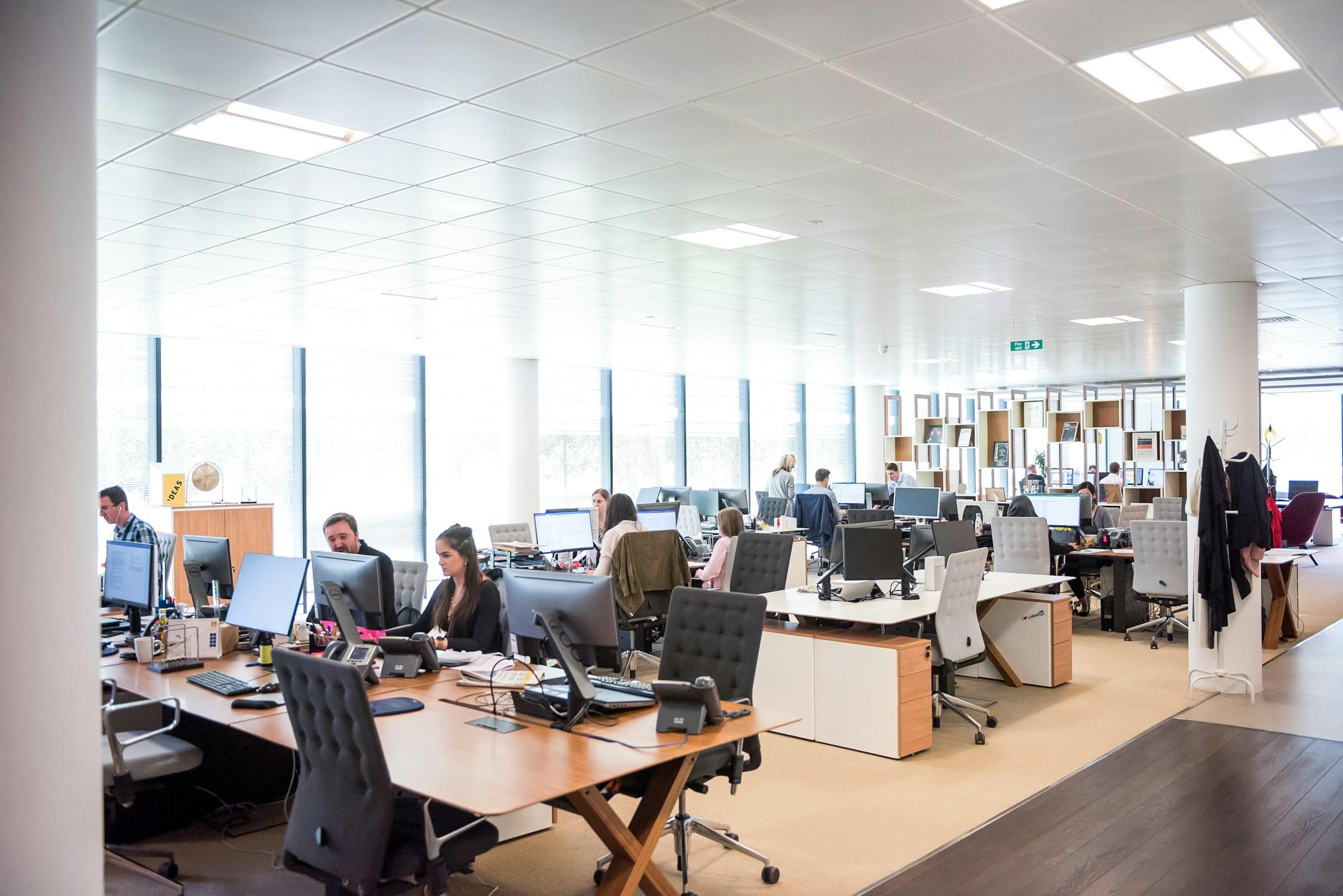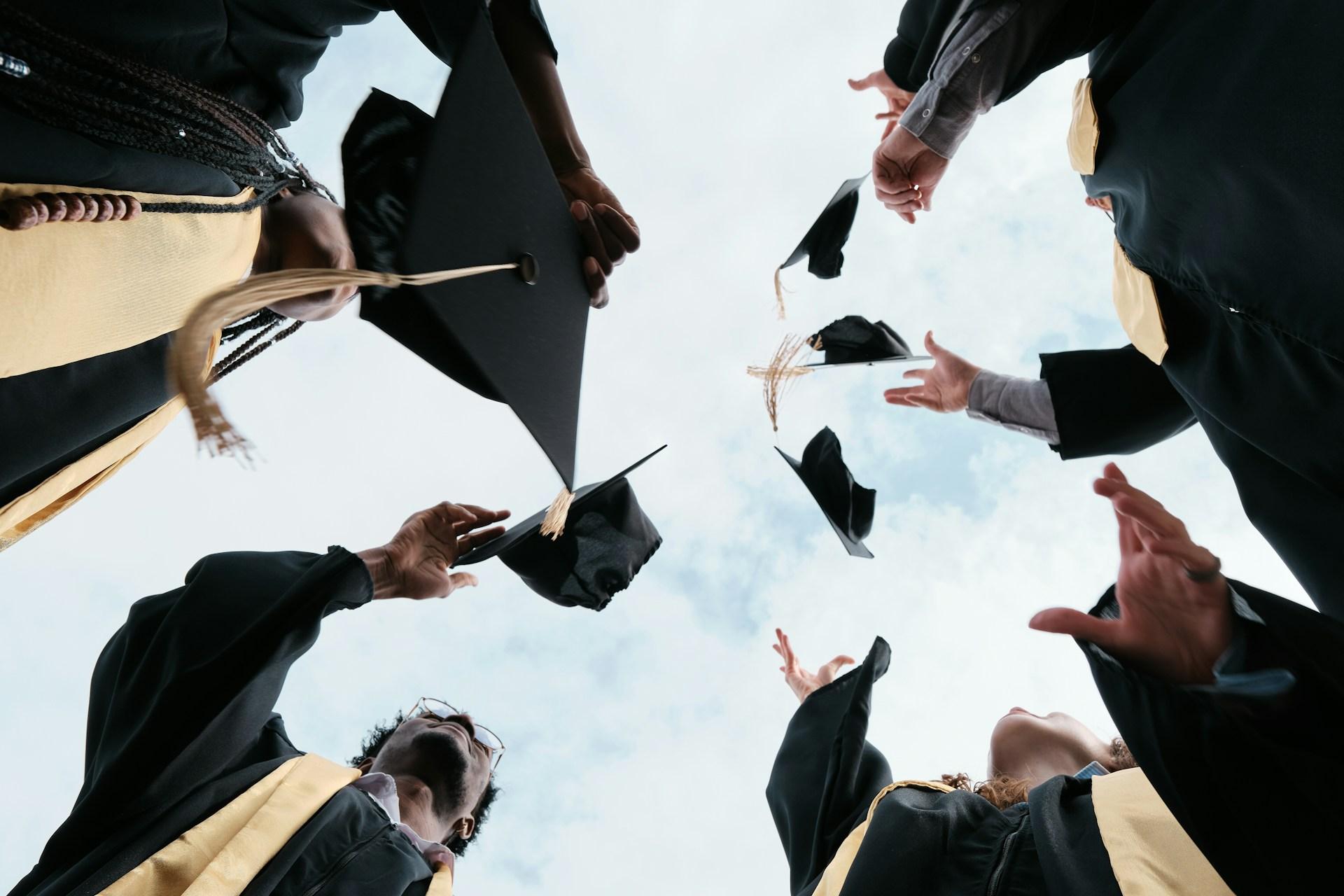
Higher education prepares you for the workforce in ways that go beyond memorizing theories or earning a credential. While the degree itself can help open doors, the deeper value often comes from the day to day practice of functioning inside a structured environment where expectations are clear, deadlines are real, and progress depends on steady effort. College becomes a rehearsal space where you learn how to manage responsibilities, work with others, communicate effectively, and adapt when the conditions are not ideal, which are the same demands you will face in professional life.
One of the clearest ways higher education builds workforce readiness is through routine and accountability. A semester forces students to plan ahead, juggle multiple obligations, and deliver work on a schedule that does not bend around personal moods. This experience teaches time management in a practical way. It also builds the habit of follow through, since success depends on finishing tasks even when motivation is low. In the workplace, employers value people who can keep moving without constant supervision, and college provides repeated opportunities to develop that kind of consistency.
Higher education also strengthens communication skills, which are essential in nearly every job. Students learn to express ideas in writing, present information clearly, and explain complex concepts to different audiences. They learn to support arguments with evidence, respond to questions, and handle disagreement without turning it into personal conflict. These experiences shape how a person later writes emails, delivers updates, participates in meetings, and collaborates across teams. Strong communication signals professionalism, and college environments help students build that credibility through constant practice.
Another major contribution is the development of problem solving and critical thinking. Real work rarely arrives with perfect instructions or a single correct answer. In college, students are often required to interpret prompts, research unfamiliar topics, and make decisions based on incomplete information. Over time, this builds the ability to define the real problem before rushing into solutions. It also teaches the mental discipline of questioning assumptions, revising conclusions, and improving through iteration. Employers look for people who can think clearly under uncertainty, and higher education often provides a structured path toward building that mindset.
Feedback is another form of preparation that higher education normalizes. Students receive critique through grades, comments, revisions, and classroom discussion. Even when feedback feels frustrating or unclear, learning to respond constructively is valuable training for professional life, where performance is constantly reviewed through managers, clients, and peers. Higher education can teach students how to separate personal identity from their output, accept guidance, and improve without becoming defensive. That emotional steadiness is often what allows someone to grow quickly in a new job.
College also introduces students to collaboration, sometimes in uncomfortable ways. Group projects require coordination, task division, negotiation, and compromise. Students learn that teamwork is not only about being friendly, but also about reliability, clarity, and managing differences in work style. They practice resolving conflict, communicating expectations, and delivering shared outcomes. These experiences mirror workplace collaboration, where success usually depends on teams rather than individuals working alone.
Beyond skills, higher education also helps students build networks and professional confidence. Relationships with classmates, professors, alumni, and internship supervisors can shape career opportunities and provide mentorship. Internships and co-op programs further bridge education and work by teaching workplace rhythm, professional etiquette, and accountability to a team. Students learn the difference between being busy and being useful, and they begin to understand how their work connects to outcomes that matter to others.
At the same time, higher education can help people learn what kind of environment suits them best. By experiencing different disciplines, teaching styles, and group dynamics, students often discover their strengths and preferences. Some thrive in fast paced teamwork while others do better in deep focus roles. This self awareness is important because career satisfaction often depends less on title and more on fit between a person’s working style and their environment.
In the end, higher education prepares you for the workforce by building both visible and invisible readiness. The visible part is knowledge and credentialing, which can be important in many fields. The invisible part is the training in habits, communication, problem solving, feedback resilience, collaboration, and relationship building. These are durable skills that remain useful even as industries evolve and job roles change. The strongest outcome of higher education is not perfection but adaptability, the ability to learn quickly, work steadily, and contribute with confidence when the stakes are real.
 WhatsApp
 Instagram
 Threads