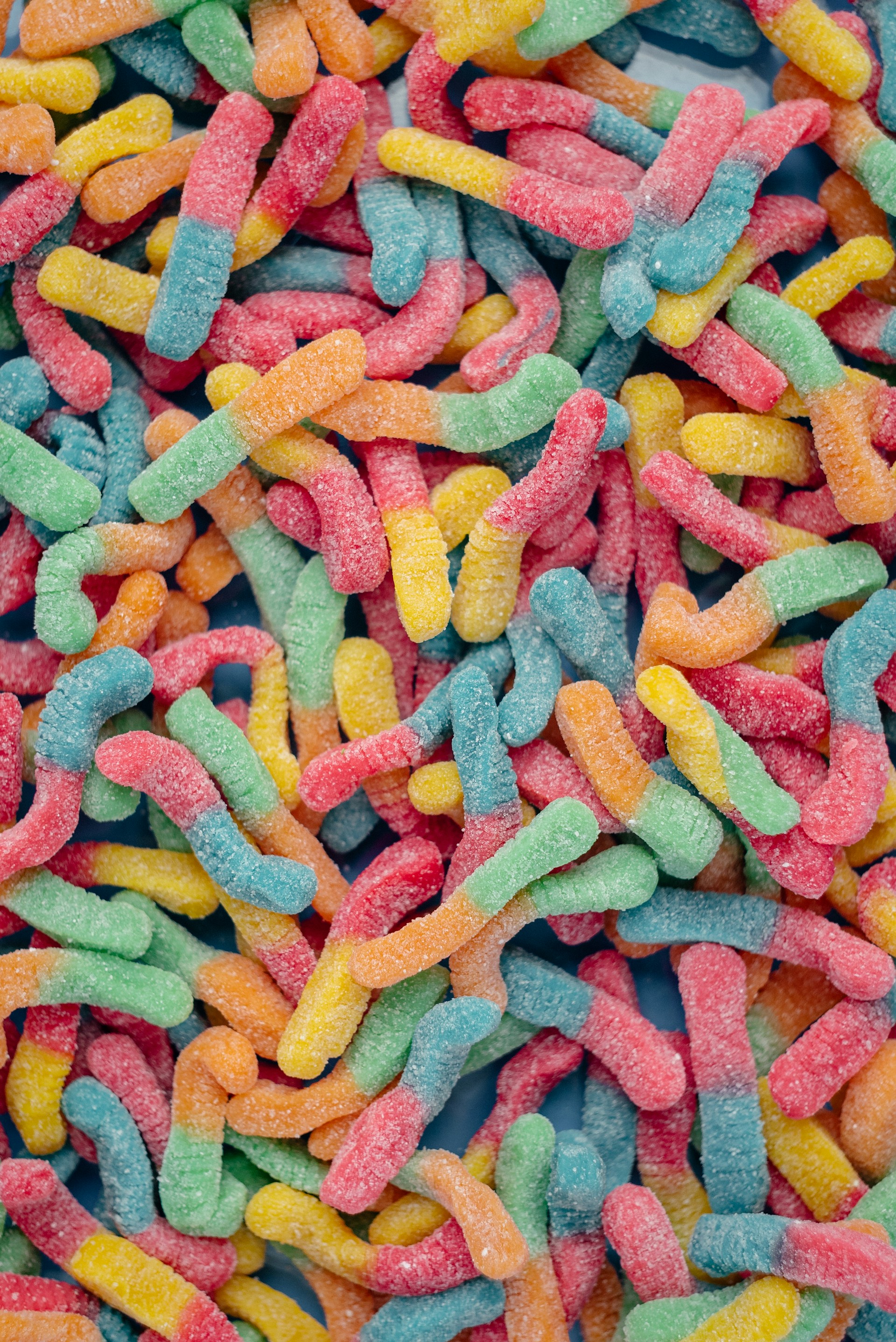
When people talk about processed food, they are often talking about a feeling more than a method. It is the crackle of a plastic wrapper, the brightness of a neon-colored drink, the sense that something has been engineered to last forever. But processing is not a single thing. It is a broad set of actions that happen between a raw ingredient and the version you actually eat, and those actions can change nutritional value in ways that are sometimes harmful, sometimes helpful, and often complicated. At its simplest, food processing means altering food to make it safer, more stable, more convenient, or more appealing. That can be as minimal as washing and bagging salad greens or slicing fruit so it is easier to pack for lunch. It can also be as intense as turning corn into sweeteners, starches, and oils, then rebuilding those parts into snack foods designed to taste irresistible and stay crisp for months. The nutritional story depends on which end of that spectrum you are dealing with, because different processes affect nutrients in different ways.
A good place to begin is with the nutrients that tend to be most sensitive. Water-soluble vitamins like vitamin C and many B vitamins are often the first to decline when food is exposed to heat, light, oxygen, and water. This is why chopped produce that sits in the fridge for days does not hold the same nutrient content as it did when it was freshly cut. It is also why boiling vegetables can sometimes result in a double hit: the vitamins may be damaged by heat, and some can leach into the cooking water. Nutritional value is not only about what the food contains in theory. It is also about what survives the journey from farm, to storage, to preparation, to your plate.
This is where the word “fresh” becomes more complicated than people assume. Fresh looks like the gold standard, but time itself can be an invisible form of processing. Produce may travel long distances, sit in storage, and spend days on display before it reaches your kitchen. During that time, certain vitamins continue to degrade. In some cases, a food that was frozen quickly at peak ripeness can preserve more of its nutrients than a “fresh” version that has been aging quietly through transport and storage. So while processing can reduce nutritional value, it can also protect it, depending on what is being done and how quickly it happens.
Freezing is one of the clearest examples of processing that can be nutritionally practical. Most people picture frozen food as a downgrade, but freezing is often a preservation method that locks in quality. The food is typically processed soon after harvest, which limits nutrient losses that would otherwise occur over time. Frozen peas, spinach, or mixed vegetables are not a nutritional failure. For many households, they are what makes vegetables consistent. And consistency matters because the best nutrition is the nutrition you actually eat, repeatedly, across weeks and months.
Other forms of processing, however, change nutritional value by removing parts of the food rather than preserving them. Refining grains is the classic case. Whole grains contain the bran and germ, which provide fiber, vitamins, minerals, and naturally occurring oils. When grains are milled into white flour or polished into white rice, those layers are stripped away. The result is softer, faster to cook, and easier to store, which is exactly what refining is designed to achieve. Nutritionally, the tradeoff is that much of the fiber and a portion of the micronutrients are reduced. The food becomes quicker to digest and often less filling, because fiber is one of the components that slows digestion and supports satiety.
Heat is another major factor, and it is often treated like a villain. In reality, heat is both a thief and a translator. It can reduce certain nutrients, especially those that are fragile and water-soluble, but it can also improve the availability of other nutrients by breaking down plant cell walls. Many nutrients are trapped within the structure of the food, and cooking can make them easier for the body to access. This is one reason why “raw” is not automatically “better.” Raw vegetables contain nutrients, yes, but the body does not always absorb them as efficiently as it might after the food has been softened and transformed.
Tomatoes are a helpful example because they show how processing can increase what the body can use. When tomatoes are cooked, the structure breaks down in a way that can increase the bioavailability of lycopene, a compound associated with antioxidant activity. The nutrition label may not change dramatically, but the way your body can access that compound can. Similar dynamics occur across many plant foods, where cooking helps release nutrients from fibrous matrices that would otherwise pass through the digestive system less fully utilized.
Canning offers another case where processing creates mixed effects. Canned vegetables and fruits are typically heated during processing, which can reduce some heat-sensitive vitamins. At the same time, canning seals food in a stable environment that limits spoilage, extends shelf life, and makes produce available when fresh options are expensive, limited, or inconsistent. Nutritionally, canned food is not a single category. A can of tomatoes can be a convenient way to bring nutrient-rich ingredients into daily cooking. A can of fruit packed in heavy syrup tells a different story. The nutritional outcome depends on the specific food, the processing conditions, and the ingredients added during packaging.
Some processes are almost invisible to consumers but play a major role in how nutrition holds up over time. Blanching is often used before freezing vegetables. It is a brief heat treatment designed to stop enzymes that would otherwise continue to degrade quality. People sometimes assume blanching is unnecessary harm because it involves heat, but its purpose is preservation across months. It helps a frozen vegetable stay closer to what it was at harvest, and it can protect long-term quality even if it slightly alters certain heat-sensitive nutrients in the short term.
Pasteurization fits into the same practical category. Heating milk or juices to reduce harmful microbes can change certain nutrient levels slightly, but the benefit is a major improvement in safety and a longer shelf life. In real life, the ability to store milk safely and use it reliably often matters more than small nutrient shifts, especially when the alternative is food that spoils quickly or carries a higher risk of contamination. When you think about nutritional value, it helps to think beyond nutrient retention alone and include food safety and the likelihood of consistent consumption.
Fermentation is another form of processing that many people view as positive, and for good reason. Fermentation changes flavor and texture, can improve digestibility, and may influence nutritional value by altering compounds that affect mineral absorption. It is processing that can make food more tolerable and sometimes more nutritionally functional. Yogurt, tempeh, kimchi, and other fermented foods show that processing is not always about stripping food down. Sometimes it is about transforming it into something the body can use differently and, for many people, more comfortably.
The most emotionally charged part of the conversation appears when processing moves away from preservation and safety and into industrial formulation. This is where the phrase “ultra-processed” becomes important, not because all processing is harmful, but because this category often signals a different intention. Ultra-processed products are commonly built from components derived from foods, combined with additives and flavor systems, and designed to be hyper-convenient, highly palatable, and long-lasting. Nutritionally, the issue is often not one single ingredient. It is the overall pattern: higher energy density, lower fiber, more added sugars, more sodium, and textures that encourage fast eating.
Even when these products are fortified with added vitamins and minerals, the experience they create in the body can be different from whole or minimally processed foods. Fiber, physical structure, and chewing time matter for satiety. When food is milled, puffed, softened, or emulsified, it often becomes easier to eat quickly. That changes how the body registers fullness. An apple, for example, requires chewing and contains intact structure that slows down eating and digestion. Applesauce can contain similar ingredients, but its texture makes it faster to consume and often less filling. The nutrient content might appear close on paper, yet the eating experience and the physiological response can diverge.
Processing also changes nutritional value by changing what is added, not only what is removed. Many packaged foods include added sugars, salts, and fats to improve taste and shelf stability. Those additions can shift the balance of a diet toward higher calorie intake without a corresponding increase in nutrients like fiber and protein that support fullness. This is part of why some people feel hungry soon after eating certain snack foods. The body is not simply responding to calories. It is responding to the speed of digestion, the lack of structure, and the way flavor systems can encourage continued eating.
There are also cases where processing creates new compounds during cooking. High-heat cooking methods such as frying, roasting, baking, and toasting can lead to browning reactions that make foods taste and smell appealing. Those same reactions can form substances like acrylamide in starchy foods cooked at high temperatures. This is not a reason to fear food, but it is a reminder that processing affects more than nutrient retention. It can also change the chemical profile of what you are eating. Moderation and mindful cooking methods can matter, especially when high-heat browned foods dominate the diet. At this point, it can be tempting to reduce everything to a simple rule: avoid processed foods. But that advice ignores how people actually live. It also ignores that many processed foods serve important roles. Frozen vegetables can support consistent intake when time and budget are tight. Canned beans can make fiber and protein available without long preparation. Fortified foods can help reduce deficiencies in populations. Infant formula and medical nutrition products are processed for reasons that have nothing to do with indulgence. Processing can be a bridge to nourishment, not a barrier.
The social dimension matters too. People do not all have equal access to fresh food, cooking facilities, storage space, or time. A household juggling long work hours may rely on pre-cut vegetables, canned staples, or frozen options, and those choices can still form a nutritionally strong diet. The nutritional value of food is not only about its ideal state. It is also about the realities that determine whether it gets eaten. Food that is wasted because it spoiled does not deliver nutrients. Food that is too labor-intensive to prepare on a weeknight may remain aspirational rather than practical. This is why it helps to think of processing in terms of intention. Some processing is designed to preserve and protect. Washing, freezing, canning, pasteurizing, and fermenting often exist to make food safer, longer-lasting, and more accessible. Some processing is designed to refine and remove, as in the case of white flour and polished rice. Some processing is designed to engineer a product for maximum palatability and minimal effort, which can make overeating easier. These intentions shape how nutritional value changes, not only through vitamins and minerals, but through fiber content, structure, added ingredients, and the way the food fits into eating patterns.
In everyday life, the most useful approach is not to obsess over whether something is processed, but to notice what the processing did. Did it remove fiber-rich parts of the food? Did it add significant sugar, salt, or fats? Did it transform the food into a texture that disappears quickly in the mouth? Or did it preserve a whole ingredient in a way that makes it easier for you to cook and eat regularly? The answers guide you better than the word “processed” ever will. Food processing changes nutritional value by altering what survives, what becomes available for absorption, what is lost, what is concentrated, what is added, and how you experience the act of eating. It can reduce certain vitamins while making other compounds more accessible. It can remove fiber and micronutrients through refining while improving shelf life and convenience. It can create safer products that prevent illness while also enabling snack foods that are easy to overconsume. It is not a single story but a set of tradeoffs.
In the end, nutrition is not just chemistry. It is behavior repeated over time. Processing matters because it shapes what you eat, how often you eat it, and how your body responds. If processing helps you build meals you can sustain, it can support nutrition. If processing pushes your diet toward foods built for speed and constant snacking, it can undermine nutrition. The goal is not purity. The goal is awareness, so you can choose the kinds of processing that serve your health and your life, rather than letting convenience and clever formulation choose for you.
 WhatsApp
 Instagram
 Threads