Buy now pay later has become a familiar checkout option in Singapore because it feels effortless. A shopper chooses BNPL, confirms the purchase, and receives the item immediately while the repayments are spread across future dates. The process looks closer to a modern payment feature than a credit product, which is precisely why many users underestimate what they are agreeing to. In reality, BNPL creates a structured repayment obligation, and in Singapore it operates within an industry framework that aims to keep that obligation transparent, limited, and less likely to spiral into unmanageable debt.
At its simplest, BNPL in Singapore allows a consumer to defer payment for goods or services either by splitting the purchase into equal instalments collected at regular intervals or by delaying the full payment to a later date. The instalment model is the most common, often presented as “pay in three” or “pay in four,” usually on a monthly cycle. The deferred payment model may look like a single amount deducted later, also commonly tied to a monthly billing date. These structures matter because they shape how consumers experience the product. By breaking a purchase into smaller amounts, BNPL can reduce the immediate strain on cash flow. At the same time, it can blur the feeling of spending because the full cost does not hit all at once.
Understanding BNPL properly means looking beyond the checkout button and examining what happens behind the scenes. Most BNPL arrangements involve three parties: the consumer, the merchant, and the BNPL provider. The merchant wants payment now so that the sale can be completed without delay. The provider supports that goal by paying the merchant and then collecting repayments from the consumer over time. This arrangement explains why BNPL feels instant while still being a form of short term credit. It also explains why BNPL providers can operate with “interest free” marketing and still generate revenue. Instead of relying only on interest charges, providers often earn from fees charged to merchants for offering BNPL as a payment method and from consumer side charges that apply when repayments are missed or when a user opts for certain extensions.
Singapore’s approach to BNPL oversight is also important to the question of how BNPL works. Unlike traditional loans or credit cards that sit squarely within established regulatory categories, BNPL sits between payments and credit. In Singapore, key consumer protection expectations have been shaped through an industry led BNPL Code of Conduct that was developed by the Singapore FinTech Association and industry participants under the guidance of the Monetary Authority of Singapore. This means the framework is designed to set standards for responsible offering, clearer disclosures, and measures aimed at reducing over indebtedness, even though BNPL is not treated in the same way as a typical bank loan product.
One of the most practical elements of BNPL in Singapore is the concept of limits, even when the user experience makes it feel limitless. The Code introduces a baseline outstanding cap that is meant to prevent consumers from accumulating too much in unpaid instalments with a provider without more robust assessment. The commonly cited threshold is S$2,000 in outstanding payments with each BNPL provider, unless further assessment is done. This matters because BNPL risk tends to come from accumulation rather than from a single purchase. A person may feel comfortable taking on a few small instalment plans, but the obligations can stack quickly when multiple purchases overlap. A baseline limit acts as a guardrail by restricting exposure until additional checks are completed.
The existence of a baseline cap also highlights a broader principle in Singapore’s BNPL framework: onboarding may be relatively light at the start, but the product is not meant to scale without stronger verification as a user’s exposure grows. To access higher limits, BNPL providers are expected to perform deeper credit assessments. This may involve collecting more personal information and verifying income through recognised sources, such as official income documentation or digital verification tools, and considering the user’s creditworthiness through agreed information sharing processes. The logic is straightforward. When outstanding amounts remain small, the system prioritises convenience. When the amounts increase, the system is expected to prioritise ability to repay.
Once a BNPL plan is activated, the practical experience becomes a schedule. The purchase is translated into repayment dates, and those amounts are usually collected automatically through a linked payment method, often a debit or credit card. This automatic collection is one reason BNPL feels seamless. It reduces the need for manual transfers and makes repayment feel like a background process. However, the same convenience can be risky if a consumer does not monitor their upcoming deductions. A repayment schedule that is not actively tracked can collide with other essential bills, especially when instalments from several purchases cluster in the same week.
That is why transparency is a central part of how BNPL is intended to operate in Singapore. Under the industry framework, providers are expected to make it easy for users to view their outstanding purchases, upcoming payment dates, and total amount owed. Providers also commonly send reminders before instalments are due. These features are not just user experience add ons. They are an attempt to counter BNPL’s biggest behavioural weakness, which is that it can fragment spending into multiple small plans that are harder to total up mentally than a single monthly statement.
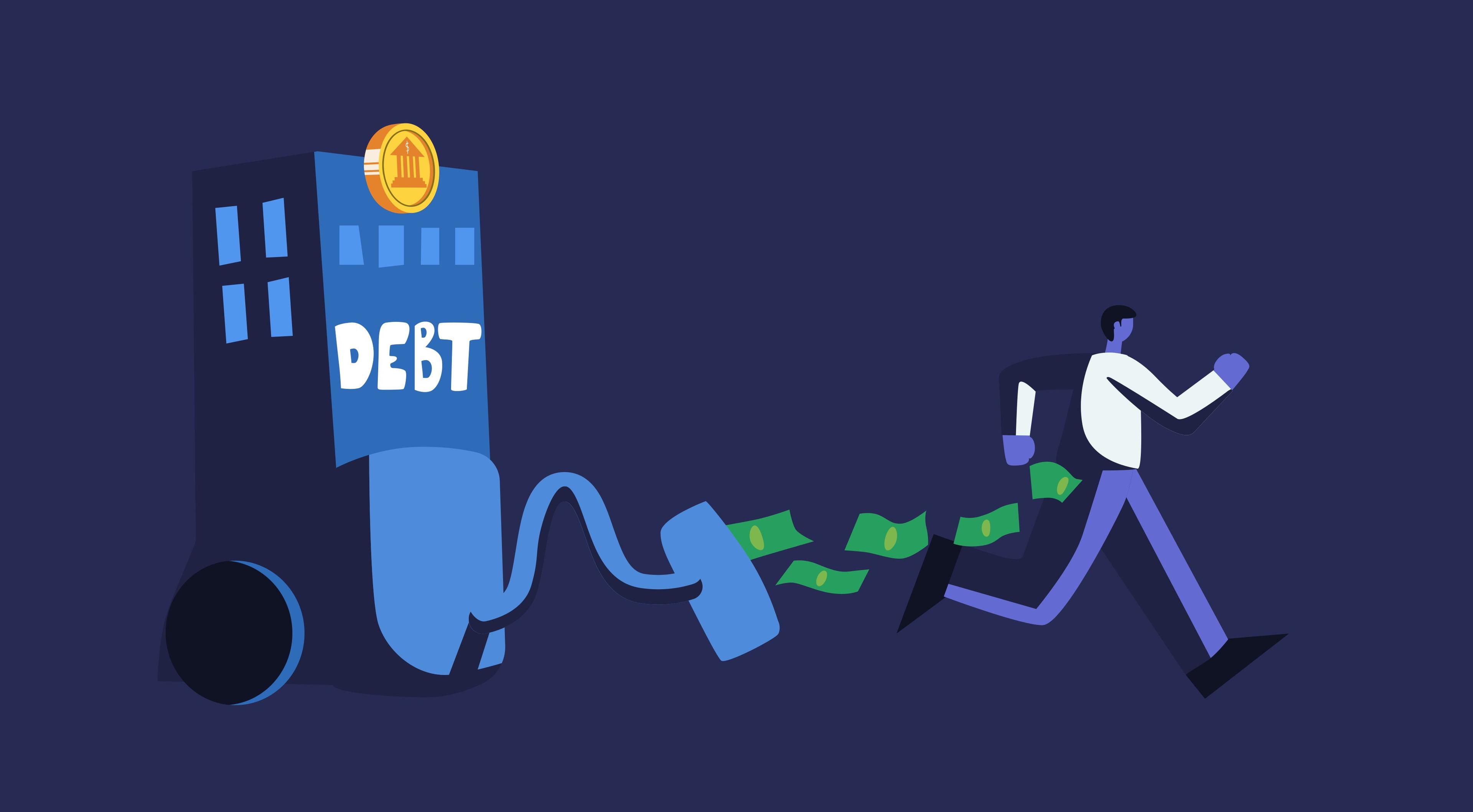
Fees and penalties are another core part of how BNPL works in the real world. Many BNPL plans are marketed as having no interest, and often there are no fees if payments are made on time. But missed payments can trigger late charges, administrative fees, and account restrictions. Singapore’s BNPL Code of Conduct addresses this risk by emphasising that fees should be clearly communicated, capped, and structured in a way that does not compound. The no compounding principle is particularly significant for consumers. It means that while missing payments may still carry consequences, the amount owed should not grow in a runaway manner driven by interest on interest or escalating penalty layers. In practice, this can make BNPL less likely to become a long term debt trap compared to credit products that rely on revolving balances with high interest rates.
Still, the consequences of non payment can be immediate in a different way. Many BNPL providers suspend accounts when a repayment is overdue. This prevents the user from making new BNPL purchases until arrears are cleared. Some providers also charge a fixed administrative fee in connection with missed payments or reactivation. This approach is designed as a behavioural control. Instead of letting debt roll forward indefinitely, the provider blocks further spending until repayment is brought back on track. From a consumer’s perspective, this can feel strict, but it also reflects the product’s intention to stay short term and structured rather than turning into open ended borrowing.
Marketing standards also shape how BNPL functions in Singapore. The appeal of BNPL is psychological as much as financial. By reducing the immediate payment burden, it can encourage impulse purchases and make higher priced items feel more affordable than they are. Responsible marketing expectations aim to prevent providers from presenting BNPL as a risk free option or a universal solution for all shoppers. Clarity in advertising and transparency around fees and repayment obligations help consumers interpret BNPL properly as a commitment rather than a free convenience feature.
A complete view of BNPL also includes what happens when disputes arise. BNPL transactions involve merchants, providers, and consumers, which can complicate refunds, cancellations, and charge disagreements. A responsible BNPL framework expects providers to have clear complaints handling processes and accessible customer support channels. This matters because consumers need a reliable way to resolve issues such as incorrect charges, merchant disputes, or problems with repayment deductions. In a well designed BNPL system, the consumer is not left unsure about where to go when something breaks. The provider’s role is not only to collect payments but also to manage the relationship fairly when problems occur.
Another often overlooked feature of how BNPL works in Singapore is financial hardship support. BNPL is commonly used by working adults who assume steady income, but life events can disrupt that assumption. Job loss, income reduction, or unexpected expenses can cause missed instalments even for financially responsible users. A consumer protection minded framework recognises that hardship is not always a sign of irresponsibility. Providers are expected to consider reasonable arrangements where appropriate, which may include adjusted payment plans or certain fee relief, depending on the situation. The purpose is to prevent short term shocks from turning into long term financial damage.
BNPL also functions within a broader ecosystem where information sharing plays a role. Because BNPL providers face the risk of consumers using multiple platforms simultaneously, industry standards contemplate sharing relevant information among participating providers for credit risk assessment. The intention is to detect over extension and reduce the chance that a consumer can accumulate obligations across several providers without checks. While the consumer experience may still feel siloed across different apps, the risk systems behind the scenes are designed to create more visibility, at least within participating networks.
Comparing BNPL with credit cards can clarify why BNPL can be both helpful and risky. Credit cards consolidate spending into one statement and one repayment decision each month. That consolidation can be dangerous if the consumer revolves debt at high interest, but it also provides a single point of visibility. BNPL breaks spending into multiple micro schedules. This can make repayments more manageable for a single purchase, but it can also make total obligations harder to track. In Singapore’s context, the baseline limit and the expectation of stronger checks for higher exposure are meant to manage that fragmentation risk. The product is permitted to be convenient, but it is not meant to allow unlimited accumulation without verification.
A realistic way to see BNPL risk is to imagine a user who makes several purchases across different merchants in a short period. One plan might be for a pair of shoes, another for a gadget, and another for concert tickets. Each plan alone feels manageable because the instalments are small. But the payments can overlap, and the combined monthly outflow can become significant. When a consumer does not calculate the total future deductions, BNPL can quietly compress their next month’s budget. Essentials like rent, transport, groceries, and savings contributions can then compete with instalments that felt harmless at checkout. This is how BNPL shifts from convenience to stress. Not through a single dramatic decision, but through a pattern of small commitments that add up.
Used responsibly, BNPL can be a practical cash flow tool. It can help someone time a purchase across pay cycles without paying interest, especially when the instalments are predictable and the user has the discipline to keep obligations within budget. It can also be helpful for consumers who prefer not to carry revolving credit card debt. But BNPL is not a substitute for affordability. The question is not whether the instalment amount is small. The real question is whether the total outstanding commitments fit comfortably within income after essential expenses.
In Singapore, BNPL works within a framework that tries to keep this reality visible, even when the product design pushes it into the background. Limits aim to prevent uncontrolled accumulation. Enhanced assessments for higher exposure aim to match credit access with repayment capacity. Fee caps and the avoidance of compounding aim to prevent debt spirals. Transparency, reminders, and fair marketing aim to reduce misunderstanding. Complaints handling and hardship support aim to keep the system fair when things go wrong. Together, these elements define how BNPL is intended to function in Singapore: as a controlled form of short term credit that supports payment flexibility without turning convenience into chronic financial strain.
Ultimately, the most important part of how BNPL works is not technical. It is behavioural. BNPL becomes safe when consumers treat instalments as real bills that claim future income. It becomes risky when consumers treat instalments as a clever way to avoid paying. The product does not remove the cost of a purchase. It only rearranges when that cost is paid. In a market where daily expenses are already high and many households manage tight monthly budgets, understanding that simple truth is the difference between using BNPL as a tool and being used by it.
 WhatsApp
 Instagram
 Threads