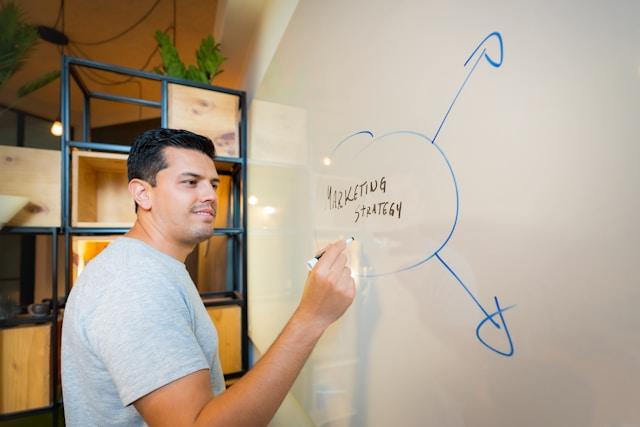
Leaders do not create effective teamwork by simply telling people to collaborate more. They create it by shaping an environment where collaboration becomes the easiest, most natural way to get work done. In most workplaces, teamwork breaks down not because employees are selfish or unwilling, but because the system makes working together confusing, slow, or emotionally risky. When leaders treat teamwork as a matter of personality or chemistry, they often reach for motivational talks, team bonding activities, or vague reminders about communication. Those efforts can lift mood for a while, but they rarely fix the friction points that cause coordination to fail. Real teamwork is less about encouragement and more about design.
The strongest leaders begin with clarity, because clarity is the foundation that allows people to support one another without guessing. A team can be full of capable professionals and still struggle if no one knows who truly owns a decision, a deadline, or a recurring problem. Job titles do not solve this on their own. Ownership needs to exist at the level where work actually happens, which is usually the project, the customer promise, the process, or the metric that defines success. When leaders make ownership explicit and visible, teamwork becomes practical instead of performative. People stop using meetings to figure out who is responsible and start using meetings to remove obstacles so the responsible person can deliver.
This kind of clarity also reduces dependence on the leader. If the team cannot move forward without constant interpretation, approvals, or private context held by a single person, then collaboration becomes fragile. Work slows down whenever that person is unavailable, and teammates hesitate to act because they fear stepping into someone else’s territory. Leaders who encourage teamwork reduce this fragility by documenting decision rules, delegating authority, and ensuring that ownership includes the ability to make tradeoffs. Support becomes easier when everyone knows what help looks like, when it is needed, and who can make a call.
Clarity alone is not enough, though, because teams also need shared expectations about how they will collaborate. Many groups quietly confuse teamwork with consensus, and consensus can become a trap when speed matters. When people assume every decision requires full agreement, the team either stalls in endless discussion or pretends to agree and then splinters during execution. Leaders build effective teamwork by helping the team distinguish between moments of exploration, moments of decision, and moments of delivery. When a leader makes it normal to say what kind of input is being requested, misunderstandings shrink. People stop arguing as if they are deciding when they are actually brainstorming, and they stop executing as if the plan is final when it is still being shaped.
Trust grows inside this structure, and it grows fastest when leaders make it safe to tell the truth early. Psychological safety is often described in soft language, but its value is highly practical. Teams need to be able to share bad news before it becomes a crisis, admit uncertainty before it turns into rework, and disagree before resentment hardens. Leaders encourage this safety by modeling how disagreement should sound. They show that it is possible to challenge an idea without insulting the person who suggested it. They ask questions that reveal assumptions instead of questions that corner someone into defensiveness. They intervene quickly when sarcasm, side conversations, or public shaming appear, because these behaviors teach people to stay quiet and protect themselves rather than collaborate.
When a team cannot disagree cleanly, teamwork becomes expensive. People delay hard conversations, then conflict erupts when stakes are higher and emotions are hotter. Repairing trust takes far more time than addressing tension early. Leaders who handle conflict calmly and consistently protect the team’s energy. They keep discussions focused on evidence, tradeoffs, and customer impact, which lets teammates remain allies even when their viewpoints differ.
Decision making is where this trust is tested. In many workplaces, hierarchy is present but hidden. Meetings are held not to decide, but to check political safety. People participate cautiously, offering watered down opinions or waiting for signals from the most senior person in the room. This kills teamwork because collaboration becomes a performance rather than a problem solving process. Leaders encourage effective teamwork by making decision rights explicit. They clarify who decides, what consultation is required, what information is needed, and how quickly a call must be made. They also make it clear how disagreement will be treated, not as disloyalty but as useful input that improves thinking. Even when people do not get the outcome they prefer, they can accept a decision when they believe it was made fairly and consistently.
Teamwork also strengthens when leaders build feedback loops that prevent small issues from turning into long grudges. Annual reviews are too distant to guide day to day collaboration. Teams need lightweight rhythms that allow them to reflect, learn, and adjust while memory is fresh. When leaders normalize short reviews after major projects, launches, or incidents, the focus shifts away from blame and toward learning. Mistakes stop feeling like personal failures and start being treated as signals about process gaps, unclear expectations, or missing information. This encourages teammates to ask for help sooner, share context more freely, and support one another without shame.
Leaders can deepen this by giving feedback not only on outcomes, but on the collaboration behaviors that produce those outcomes. Missed deadlines, repeated rework, and handoff problems often have a teamwork cause hiding underneath. Someone may be unclear on priorities, hesitant to ask questions, slow to surface risks, or overloaded to the point of silence. If leaders only address the final result, the pattern remains. When leaders coach the pattern, teamwork improves because the team learns what behaviors make working together smoother and what behaviors quietly create friction.
None of this works if the team is operating permanently at the edge of capacity. Workload design is one of the most overlooked elements of teamwork. When everyone is overloaded, people become territorial, communication becomes reactive, and coordination becomes fragile. Leaders who want effective teamwork protect focus time, reduce unnecessary meetings, and simplify goals so collaboration has room to breathe. This often requires courage, because it means saying no to additional work, narrowing priorities, and refusing to reward constant urgency. If teamwork is the goal, the system must allow time for thoughtful updates, clean handoffs, and proactive problem solving.
Leaders also have to address structural misalignment across departments. If teams are measured differently and rewarded differently, collaboration becomes a sacrifice rather than a strategy. A group that is judged on speed may resent a group that is judged on risk reduction. A group that is rewarded for new sales may create promises that a support team cannot sustain. Leaders encourage teamwork by aligning incentives or by creating shared success measures that make collaboration rational. When teams win together, they are far more willing to coordinate early and resolve conflicts quickly.
Over time, teamwork becomes durable when leaders turn it into an operating rhythm rather than a special initiative. New hires will not automatically understand how the team communicates, escalates issues, or makes decisions. If leaders do not define the rules, people invent them, often by copying the loudest voices or the most stressed behaviors. Effective leaders make the rhythm predictable. They establish how work is planned, how progress is reviewed, how blockers are raised, and how updates are shared. They clarify communication norms so people know when quick messages are fine, when deeper writeups are expected, and what response times are reasonable. This predictability reduces anxiety and saves time, both of which make teamwork easier.
Recognition and advancement are the final proof point. People watch what leaders reward, not what leaders say. If the organization celebrates individual heroics while ignoring the quiet work that enables everyone else, teamwork becomes a nice story with no real value. Leaders encourage effective teamwork when they consistently recognize those who document decisions, improve processes, mentor others, catch risks early, and coordinate across functions. When these contributions are visible and respected, the team learns that collaboration is not just appreciated, it is essential to success.
At the same time, strong leaders avoid making everything collaborative. Too much forced collaboration creates meeting overload and slows execution. The goal is selective teamwork, where collaboration is used when interdependence is real and autonomy is protected when ownership is clear. When leaders strike that balance, teams feel trusted and connected. They coordinate where it matters and move fast where it is safe to move independently.
In the end, the leaders who encourage effective teamwork are not simply cheerleaders for harmony. They are architects of clarity, trust, and momentum. They reduce the hidden costs of working together by making ownership visible, decision making predictable, conflict safe to address, feedback frequent, workload sustainable, incentives aligned, and communication rhythmic. Teamwork is not a mood a leader inspires. It is a system a leader builds, reinforced day after day until collaboration becomes the default, not the exception.
 WhatsApp
 Instagram
 Threads