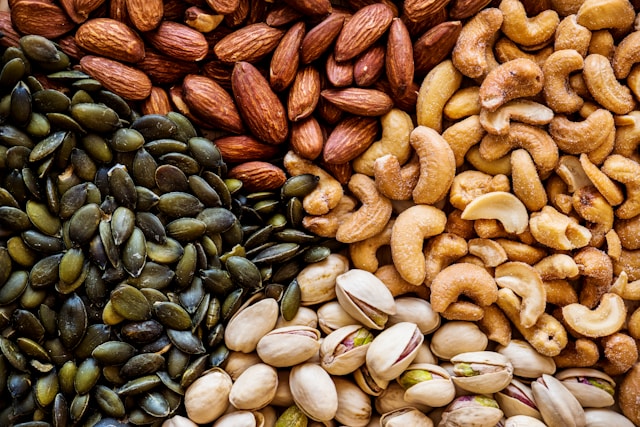
Balancing fat intake without consuming too many calories is less about cutting fat out and more about learning how easily it can pile up in everyday meals. Fat has a special place in food because it makes flavors feel fuller, textures feel richer, and meals feel more satisfying. It also plays important roles in the body, including supporting hormone function and helping you absorb fat-soluble vitamins. The challenge is that fat is the most calorie dense macronutrient, and it can raise the calorie total of a meal quickly without adding much volume. That is why people can sincerely believe they are eating “healthier” while still drifting into a quiet calorie surplus.
The most common reason fat intake becomes too high is not one dramatic choice. It is layering. Many meals include multiple fat sources that each seem reasonable on their own, but together create a calorie total that is far higher than expected. A grain bowl can easily include olive oil in the roasting process, a fatty protein like salmon, a few slices of avocado, a sprinkle of nuts, and a dressing that contains oil or tahini. None of these ingredients are “bad,” but when they overlap in the same meal, the calories add up quickly. A simple way to keep balance without turning eating into a stressful project is to choose one main fat feature per meal. If your meal already includes a fatty protein, your sauce can be lighter. If avocado is the highlight, the dressing can be bright and citrusy instead of creamy. This kind of decision keeps fat in the diet while reducing the accidental stacking that people rarely notice until later.
Another reason fat intake runs high is that many fat sources are easy to overpour. Oil disappears into the pan. Dressing coats food in a thin, shiny layer that looks harmless. Nut butter spreads easily, and a spoonful becomes two before you realize it. This is why portion awareness matters, even for people who do not want to count calories long term. A practical middle approach is to measure the fats you use most often for a short period, just long enough to train your eyes. It does not have to be forever. A week or two of seeing what a tablespoon of oil actually looks like or what a standard serving of nuts looks like in a bowl gives you a reference point you can carry forward. After that, most people are able to eyeball portions more accurately because they are no longer guessing based on habit or mood.
It also helps to use fats where they actually improve the eating experience, rather than letting them show up everywhere by default. Some fat additions transform a meal, especially when they help vegetables or lean proteins taste more satisfying. Other additions are so subtle that you barely notice them, which makes them easier to overdo. Cooking with oil is normal, but it is worth asking whether the extra oil you add on top is truly needed for taste. The same goes for doubling up on creamy elements. A meal rarely needs both cheese and a creamy dressing and a fatty protein to be satisfying. When you start choosing fats on purpose, you stop treating them like invisible extras, and balance becomes easier.
One of the most underrated strategies for managing calories while still eating fats is pairing them with volume. Fat can be filling, but when it is eaten alone, it is also easy to overshoot. A handful of nuts eaten absentmindedly can deliver a large number of calories without creating the same sense of satiety you would get from a structured snack that includes protein and fiber. When fats are combined with foods that add volume, such as fruits, vegetables, legumes, or yogurt, you get more physical fullness for the same calorie range. The result is not only better hunger control, but also fewer moments of “I ate something, but I still feel like I need more.” In daily life, this often looks like putting nuts on yogurt or oatmeal instead of eating them straight from the bag, or adding a measured spoon of nut butter to a snack that also includes fruit.
The type of fat you choose can also influence how easily you stay within your calorie needs. Liquid fats like oils and butter can add calories quickly because they require little chewing and blend easily into food. Whole-food fat sources, such as nuts, seeds, avocado, and olives, tend to be more self-limiting because they come with structure, and often with fiber, and they take up more space. That does not mean you should avoid oils, especially when they are part of cultural cooking styles or when they make healthy home cooking enjoyable. It means being thoughtful about where they fit. Many people find it easier to reduce excess calories by slightly downshifting liquid fats, while still keeping whole-food fats in the diet for satisfaction and nutrition.
Eating out deserves its own mention because restaurants often use fat generously to make food taste consistently good. This is not personal, and it is not a moral issue. It is simply how restaurant food is engineered to be enjoyable and to justify its price. Even dishes marketed as light or healthy can contain more oil, dressing, or creamy sauce than you would use at home. If you eat out regularly, balancing fat intake often comes down to small, non-dramatic adjustments. Asking for dressing on the side, choosing either the creamy sauce or the cheese instead of both, or opting for grilled proteins while keeping rich add-ons moderate can make a meaningful difference without making you feel like you are performing restriction at the table. The goal is not to make restaurant meals “perfect,” but to keep them from becoming a frequent source of accidental calorie overload.
A major psychological factor is what many people experience as the “healthy fat halo.” Once a food is labeled healthy, it becomes easy to treat it as if it does not count. Olive oil, avocado, nuts, and seeds are nutrient rich, but they are still calorie dense. The halo effect can lead people to pour more freely or snack more confidently, assuming that the health label overrides the calorie reality. When weight, energy levels, or hunger patterns start feeling off, people sometimes blame carbohydrates or assume something is wrong with their metabolism, when the real issue is simply that calorie dense foods have been slipping in under a wellness label. The solution is not to fear these foods. It is to treat them with the same portion awareness you would give to any calorie dense ingredient, while still enjoying them.
Instead of relying on vague restraint, many people do well with a gentle “fat plan” for the day. This is not about obsessing over numbers, but about distributing richness more intentionally. If breakfast is higher in fat, lunch and dinner might be lighter in sauces and add-ons. If you love a rich salad dressing at lunch, dinner can emphasize lean protein, vegetables, and a simpler cooking method. If you plan to have fatty fish at dinner, you can keep other fat additions modest earlier in the day. This approach works because it replaces randomness with intention. You still eat fats, but you stop letting every meal become an unplanned pile-up of multiple fat sources.
The best sign you are balancing well is not the absence of hunger, but the presence of ease. Meals feel satisfying without needing to be loaded with extras. You feel steady between meals. Snacks become choices rather than emergencies. You enjoy food without constantly upgrading it into the richest possible version. Over time, the habits become simple: you learn what a normal drizzle looks like, you stop stacking multiple fats in the same meal unless you truly want a higher-calorie meal, and you build snacks that include volume and structure so they actually satisfy you.
Balancing fat intake without consuming too many calories is ultimately a skill, not a strict diet rule. It comes down to noticing where fats are entering your meals, choosing a primary fat source instead of layering several at once, using portion awareness as a tool rather than a punishment, and pairing fats with protein and fiber so they deliver satisfaction instead of accidental excess. When fat becomes intentional rather than automatic, you can keep all the benefits of healthy fats while staying aligned with your energy needs.
 WhatsApp
 Instagram
 Threads