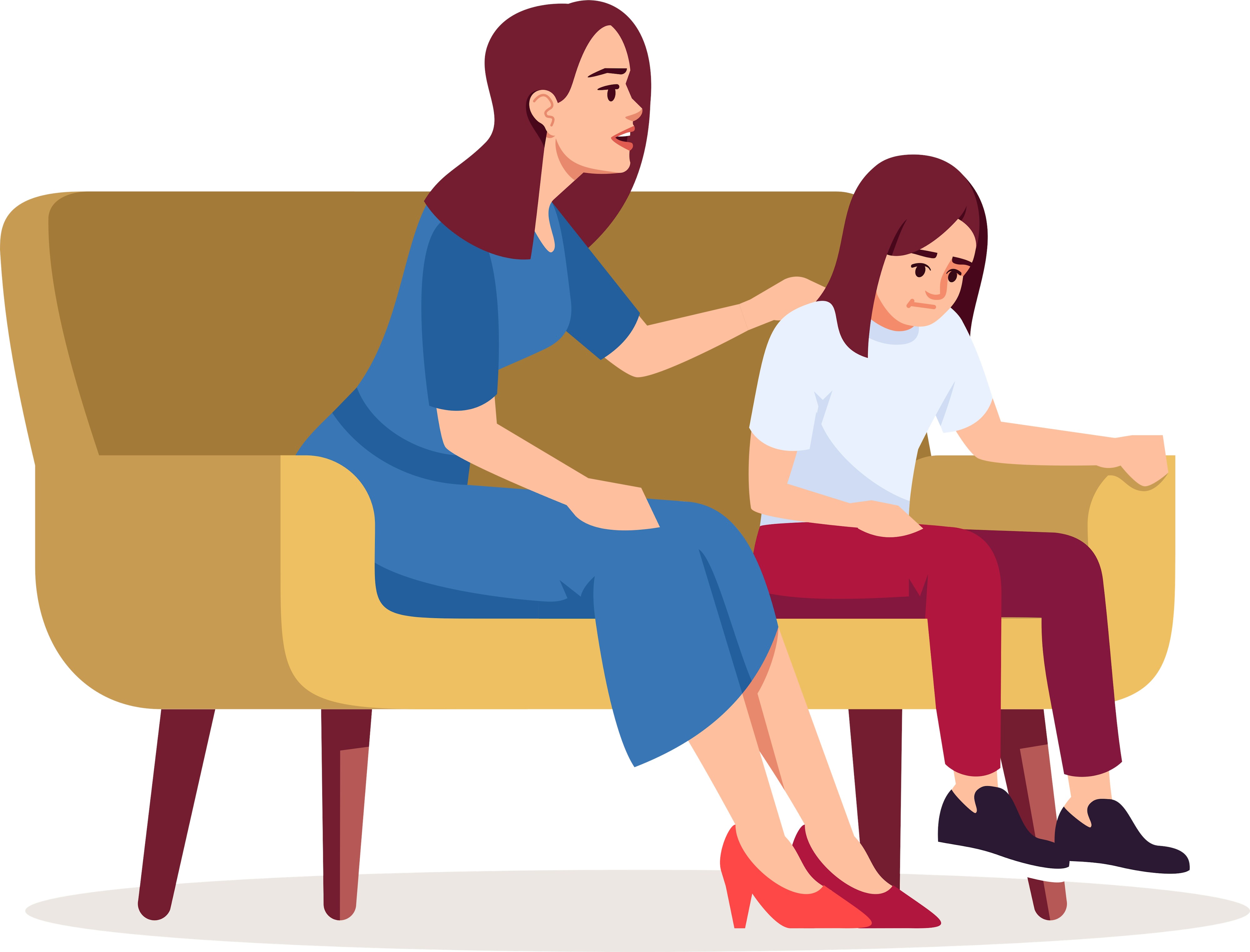
Lack of confidence can quietly reshape the way a person experiences daily life. What starts as doubt about ability can gradually turn ordinary situations into sources of fear, tension, and constant worry. Anxiety often appears on the surface as overthinking or nervousness, but beneath it, there is frequently a deeper issue: a weakening sense of self-trust. When someone does not feel confident in their judgment or skills, their mind begins treating uncertainty like danger, and that is how anxiety finds a foothold.
Confidence is not simply a bold personality trait. At its core, it is the steady belief that you can handle what happens next, even if things do not go perfectly. When that belief fades, the brain tries to compensate. It becomes more alert, more cautious, and more focused on preventing mistakes. This is not because a person is broken or incapable. It is because the brain is designed to protect. If it does not trust your ability to cope, it will attempt to keep you safe by scanning for risk and imagining worst-case outcomes. Over time, this protective response can grow into a constant state of worry.
A common way this develops is through the habit of searching for certainty. When confidence is low, making even simple decisions can feel heavy because the person assumes a wrong choice will lead to embarrassment, failure, or regret. Instead of taking action, they start replaying possibilities in their mind. They rehearse conversations, revisit past mistakes, and analyze what could go wrong. This mental looping feels like preparation, but it often becomes a trap. The more someone thinks without acting, the less evidence they collect that they can handle challenges. That missing evidence makes their doubts feel even more reasonable, and anxiety grows stronger.
Anxiety is not only mental. It is also physical. When the brain labels uncertainty as a threat, the body reacts as if it must fight or escape. Heart rate rises, breathing becomes shallow, muscles tense, and attention narrows. In that state, it becomes harder to think clearly or remember previous successes. The person may feel foggy, shaky, or unusually sensitive. Unfortunately, many people interpret these symptoms as proof they are not capable. They assume the discomfort means they are failing, and that belief weakens confidence further.
This pattern becomes especially powerful through avoidance. When a person feels anxious, they often avoid the situation that triggered it. They delay the task, cancel the plan, stay quiet, or ask someone else to decide for them. Avoidance brings immediate relief because the threat response calms down. The mind feels quieter, and the body relaxes. That relief can be misleading, because it teaches the brain that avoiding the situation was the reason the anxiety reduced. The next time a similar situation appears, the brain reacts faster, warning the person to escape again. With time, avoidance does not shrink anxiety. It trains anxiety to grow.
Low confidence also changes the way someone interprets the world. When self-trust is weak, neutral feedback can feel like criticism. A delayed reply may feel like rejection. A small mistake can feel like exposure. Instead of assuming things are fine, the person begins to expect hidden consequences. This creates hypervigilance, especially in social settings. They monitor their tone, their facial expressions, their wording, and their timing. They start trying to avoid looking awkward instead of focusing on connection. That constant self-monitoring drains energy and makes interactions feel unnatural, which can reinforce the belief that something is wrong with them.
Perfectionism can intensify the cycle. Many people assume perfectionism is simply ambition, but it often functions as protection from shame. If a person believes they must do everything perfectly to be accepted or safe, then any uncertain situation becomes a threat. When confidence is already low, perfectionism raises the stakes even higher. The person may delay starting because they fear the outcome will not meet their standards. Then they feel guilty for not moving forward. Guilt increases pressure. Pressure heightens anxiety. Anxiety reduces performance. The person then concludes they needed to prepare more, which traps them in endless readiness without real progress.
Social anxiety can grow in a similar way. Low confidence pushes people to seek reassurance from others, while anxiety makes them more sensitive to signs of disapproval. They may constantly ask if they are doing things right, or rely on others to confirm their choices. While reassurance feels comforting, it can create long-term harm by teaching the person they cannot trust themselves. As a result, confidence weakens further, and anxiety becomes more dependent on external approval.
The connection between lack of confidence and anxiety often comes down to one core belief: if I cannot trust myself, I need certainty. The problem is that certainty is rare. Life is filled with unpredictable outcomes, incomplete information, and messy human interactions. If a person’s mind requires certainty in order to feel safe, it will stay tense most of the time. Anxiety becomes a constant response to everyday uncertainty. Breaking the cycle requires rebuilding confidence as evidence, not emotion. Confidence grows through action, not through waiting to feel ready. A person does not need to eliminate anxiety before taking steps forward. Instead, they need repeated experiences of coping. Coping includes handling discomfort, handling mistakes, and recovering when things do not go as planned. When a person proves to themselves that they can adapt, anxiety loses its power because the brain no longer sees uncertainty as a threat.
One helpful shift is to view decisions as adjustable rather than permanent. Anxiety becomes stronger when decisions feel final. When someone treats choices as small experiments with review points, they reduce the pressure of being perfect. They can make a reasonable decision, evaluate the outcome later, and adjust. This approach turns life into a learning process rather than a test of worth.
It also helps to distinguish preparation from avoidance. Real preparation has a clear output and a clear endpoint. Avoidance has no finish line. It shows up as endless research, rehearsing, rewriting, or delaying. Setting constraints, such as time limits or simple completion rules, can prevent the mind from spinning in circles. These constraints do not reduce quality. They protect the person from the false promise that thinking longer will create certainty. Gradual exposure to uncertainty can also rebuild self-trust. The goal is not to force dramatic change overnight. It is to practice manageable challenges repeatedly until the nervous system learns that the situation is survivable. This slow and steady process builds confidence in a way that is more durable than motivational bursts.
Even basic daily foundations matter. Poor sleep and chronic fatigue increase emotional reactivity and make the brain more likely to detect threat. When the body is depleted, everything feels harder and riskier. Movement can help regulate stress, and simple breathing techniques can reduce the intensity of spiraling thoughts by calming the body enough to think more clearly. These actions do not solve the deeper pattern on their own, but they create the stability needed to rebuild confidence.
Ultimately, lack of confidence leads to anxiety because it weakens trust in one’s ability to cope. That lack of trust makes uncertainty feel dangerous, and anxiety rises to manage the perceived threat. Overthinking, avoidance, perfectionism, and reassurance seeking all deepen the loop. The way out is not to chase constant calm, but to build repeated evidence that you can handle discomfort and recover from mistakes. As self-trust returns, uncertainty becomes less threatening, and anxiety gradually loses the need to control everything.
 WhatsApp
 Instagram
 Threads