
Modern life did not make people sedentary because our bodies suddenly became weaker or our motivation disappeared. It happened because everyday living was redesigned to reward stillness. Movement used to be stitched into the ordinary requirements of the day. You walked because you needed to. You carried things because there was no alternative. You stood while you cooked, you moved between places, and you broke up your time without having to think about it. Today, many of those small movements have been edited out, replaced by systems that treat physical effort as an avoidable inconvenience.
Work sits at the center of this shift. A large share of modern jobs now revolve around screens, meetings, and continuous attention. Sitting becomes the posture of productivity because it signals readiness and focus. The chair, the laptop, and the desk form a ritual that frames the workday from start to finish. Even when offices talk about wellness, the structure of work often demands long periods of uninterrupted concentration. Calls happen seated. Reports happen seated. Meetings happen seated. When the working world measures output in responsiveness and mental presence, the body is quietly pushed to the background.
Remote work can intensify this pattern in a softer, more invisible way. Removing the commute may save time, but it also removes a dependable block of incidental movement that used to break up the day. At home, distance shrinks. The kitchen is a few steps away, the bathroom is nearby, and everything needed for work sits within arm’s reach. The result is that the day can feel full while the body remains almost motionless. Many people finish a workday feeling mentally depleted but physically underused, which is a strange kind of exhaustion that makes movement feel even less appealing.
Beyond work, modern convenience has quietly erased the small actions that once protected us from prolonged sitting. Delivery services, online shopping, drive-through culture, and digital administration solve real problems, but they also remove the need to walk, carry, and stand. When groceries come to the door and meals arrive pre-made, the body loses the tiny tasks that used to add up across a week. The modern day becomes efficient, but that efficiency often comes with fewer chances to shift posture and change pace.
Screens do more than entertain. They reorganize how we fill empty space and how we seek comfort. In earlier eras, boredom might have nudged people outdoors or toward a small physical errand. Now, boredom is met instantly with content. Social connection, news, shopping, work, rest, and leisure all flow through the same device. This matters because the body does not move when stimulation arrives without effort. When novelty is delivered in the palm of your hand, the need to get up and go somewhere weakens. Over time, stillness stops feeling like a choice and starts feeling like the default setting.
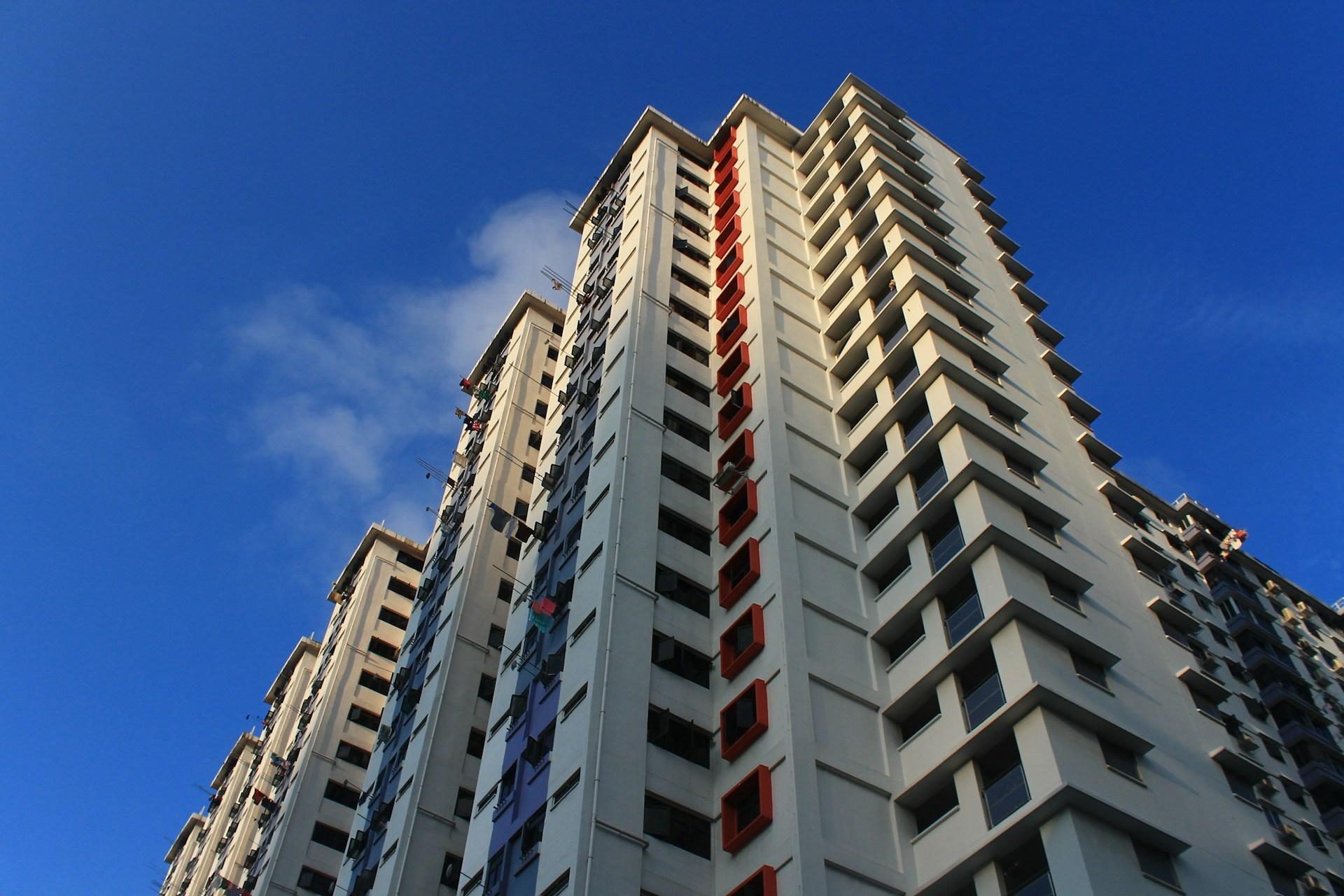
The places we live also play a decisive role. In many towns and cities, daily needs are spaced far apart, sidewalks can be inconsistent, and streets are designed more for speed than for walking. In that kind of environment, driving becomes the rational answer to even short errands. Once car use becomes the default, movement is no longer woven into the day. Walking turns into a special activity that must be planned, rather than a natural way of getting from one place to another. When built environments discourage walking, sedentariness becomes less about personal preference and more about what feels practical and safe.
Time pressure adds another layer. Many people experience a constant sense of being behind, juggling work, family, obligations, and the endless stream of messages that modern life demands. When time feels scarce, movement can be framed as extra, like something you should do only after everything else is complete. But everything else is rarely complete. In that mental climate, sitting becomes not only a habit but a coping mechanism. People sit to conserve energy, to recover, and to manage stress. Sedentary behavior becomes part of how people survive busy schedules, not just a sign of neglect.
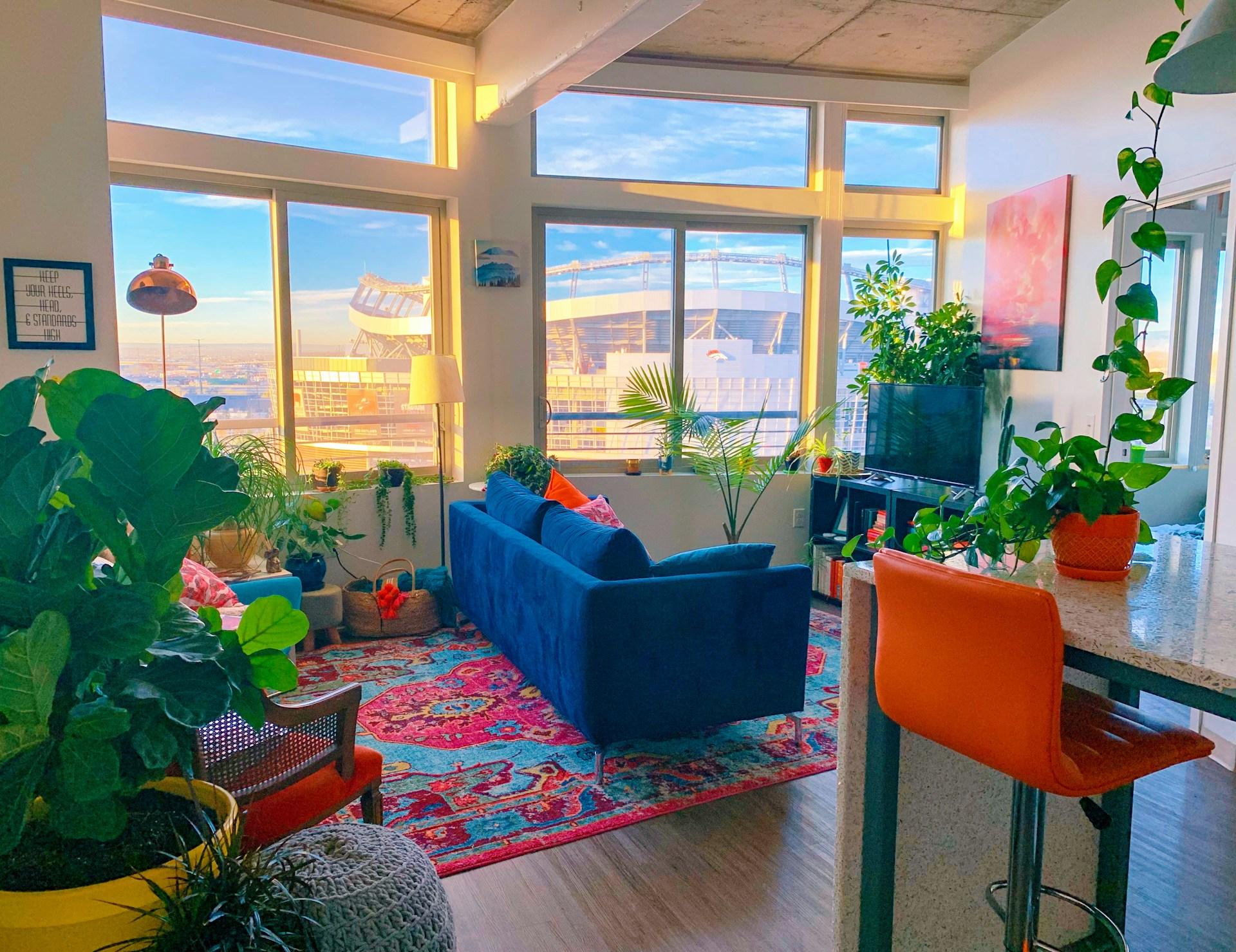
Home life has changed as well. For many, the home is no longer simply a place to return to after moving through the world. It is now the hub for work, entertainment, socializing, shopping, and rest. The modern home is often designed around sitting: a sofa facing a screen, a table for a laptop, a bedroom for collapse. When most daily activities can happen inside a small radius, the body’s world shrinks. Movement does not disappear because people dislike it. It disappears because the environment does not require it.
A final reason modern lifestyles produce sedentary patterns is the common misunderstanding that exercise alone cancels out sitting. A workout helps, but it does not automatically undo long blocks of stillness. Many people can complete a gym session and still spend the rest of the day seated. Modern sedentariness is not just the absence of exercise. It is the presence of uninterrupted sitting as a structural feature of daily life. That is why the problem feels so widespread and so stubborn. It is not a single bad habit. It is a system of defaults.
In the end, modern lifestyles make people more sedentary because modern systems are designed to remove friction, and friction is often what forced movement into life. When tasks become digital, movement becomes optional. When cities prioritize cars, walking becomes inconvenient. When work demands constant screen time, sitting becomes normal. When convenience becomes the standard, physical effort becomes a rare choice. The solution is not to romanticize the past or blame individuals for struggling. It is to recognize that sedentariness is a predictable outcome of modern design.
If the modern world made sitting easy, it can also make moving easier, not through guilt or rigid discipline, but through a return to everyday movement as something ordinary again. The body does not need dramatic transformations to respond. It needs repeated invitations built into the day, small reasons to stand, walk, carry, stretch, and reset. The more movement becomes part of the default, the less it feels like an extra burden. That is the real lesson behind modern sedentary living: when life is designed for stillness, stillness spreads. When life is redesigned to include motion, the body follows.
 WhatsApp
 Instagram
 Threads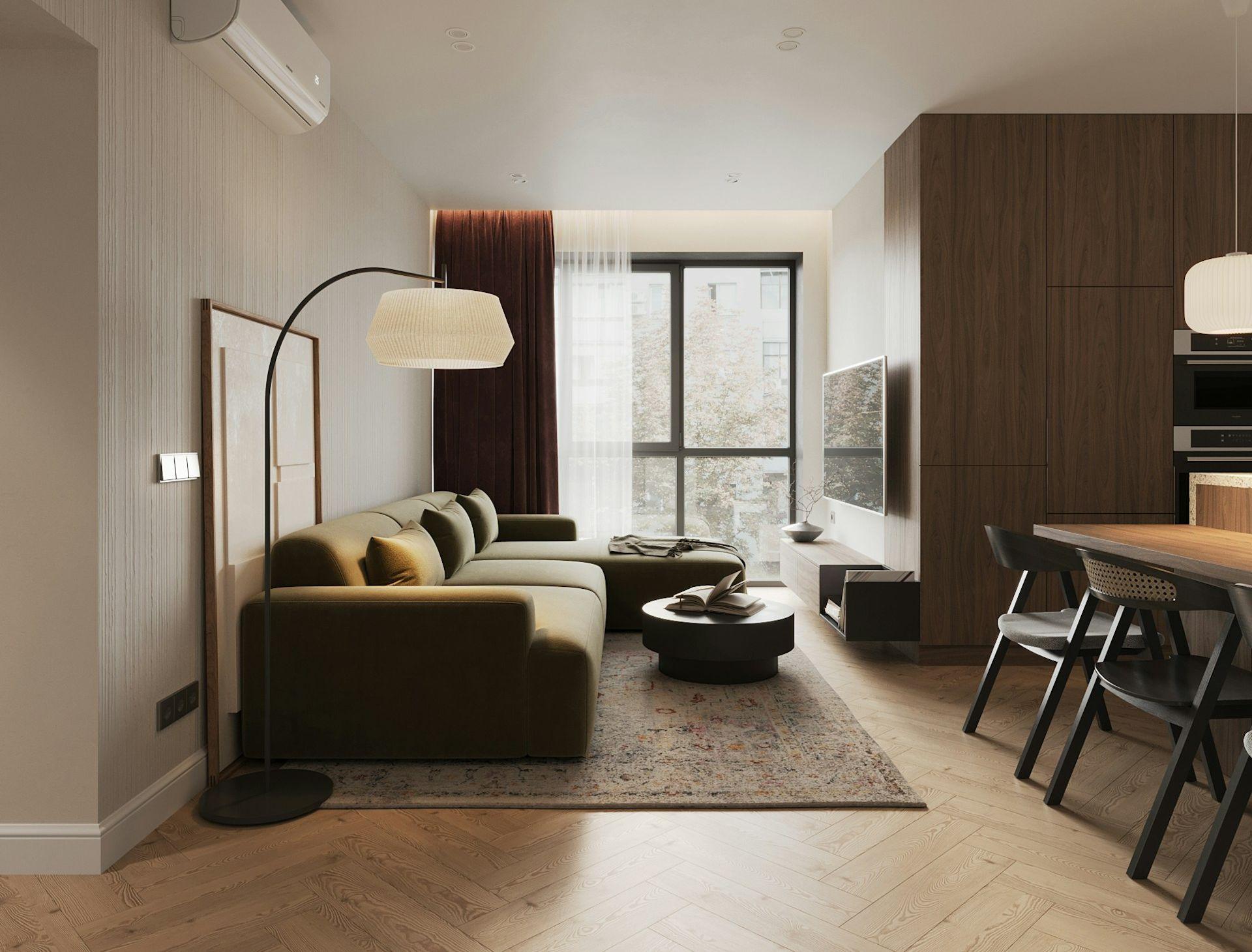



.jpg&w=3840&q=75)