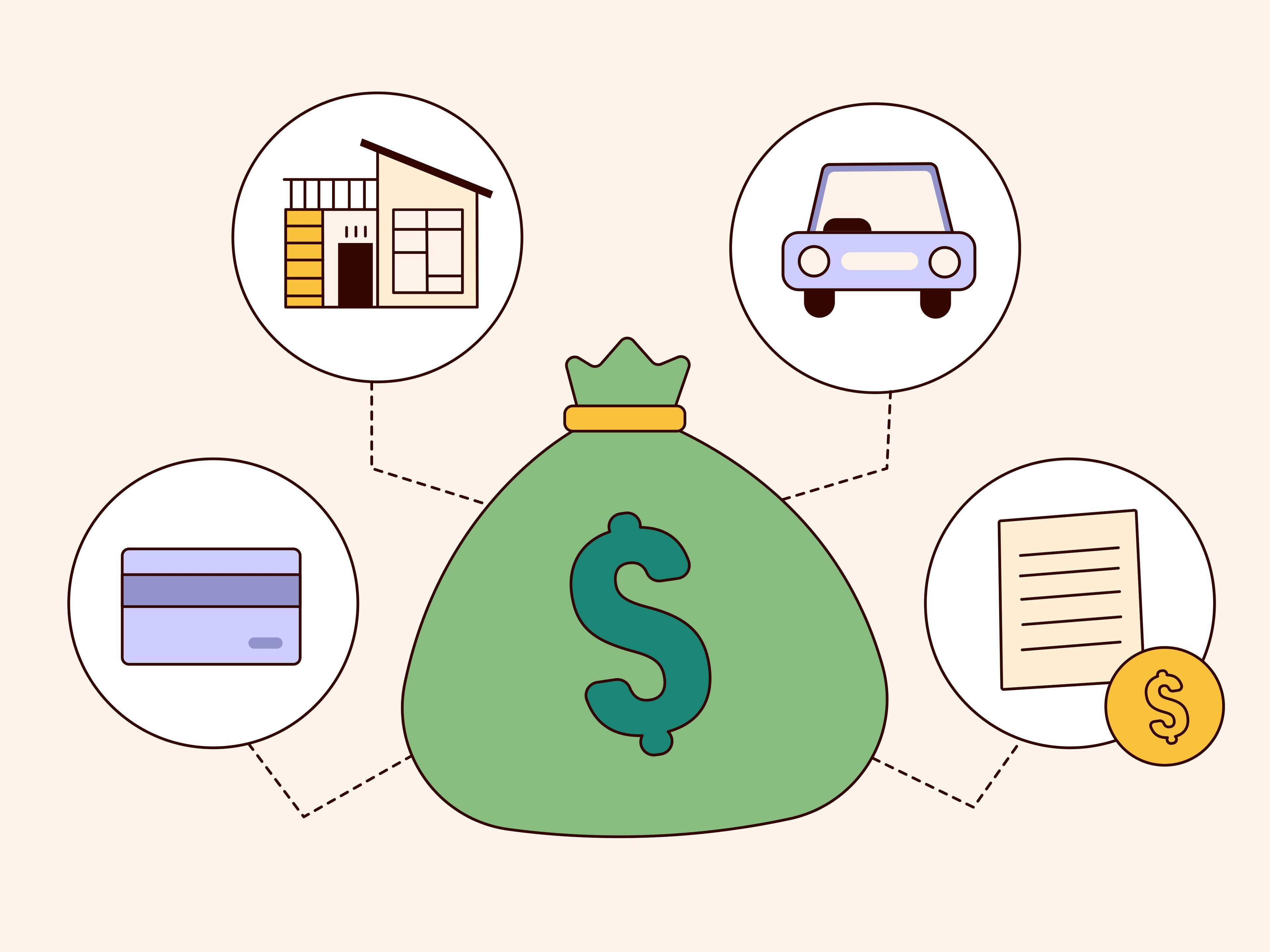
In Singapore, car ownership is never just about buying a vehicle. It is about buying permission, time, and predictability in a city where space is limited and demand for convenience is constant. The Certificate of Entitlement, better known as the COE, sits at the centre of that reality. It is not a small administrative detail or a one-time surcharge that you can ignore after signing the papers. It is the main structure that shapes what you pay, how long your car holds value, how you plan for resale, and even how you decide whether driving is worth it in your daily life.
To understand how the COE system affects car ownership costs, it helps to start with what the COE actually represents. When you buy a car in Singapore, you are not only purchasing a machine that gets you from one place to another. You are also paying for the right to own and use that car on the road for a fixed period, typically ten years. That time limit matters because it turns ownership into a countdown. Even if you love your car and maintain it carefully, the value of your “right to drive it” shrinks with each passing month. In many places, depreciation feels like a gradual decline based on mileage, wear, and new models entering the market. In Singapore, depreciation is also driven by the COE clock, and that can make costs feel sharper and more front loaded.
The biggest and most immediate way COE affects ownership costs is through the upfront price. In a normal market, a car’s price is mostly tied to its brand, its specifications, and its perceived quality. In Singapore, the final amount you pay is heavily influenced by the COE premium, which is set by an open bidding process. This means the cost of the entitlement moves with demand. When more people want cars, or when buyers feel urgency, COE premiums can rise, and that increase is reflected in the prices offered by dealers and in the overall cost of registering a car. The same model can feel reasonably priced in one period and shockingly expensive in another, not because the car changed, but because the entitlement became more costly.
This demand-driven element creates a unique kind of financial uncertainty. Even disciplined buyers can feel caught between waiting and acting. Waiting can mean hoping for softer COE prices, but it can also mean missing out on a window that felt manageable. Acting can mean securing a car earlier, but it can also mean paying a premium during a high-demand cycle. For many households, this is the first lifestyle impact of COE: it turns a personal purchase decision into something that feels partly like timing the market. People do not only ask, “What car suits my family?” They ask, “Is this a good time to buy?”
Once the car is purchased, COE continues to shape costs through depreciation. In Singapore, depreciation is often discussed as an annual figure because it provides a clearer view of what the car actually “costs” each year of ownership. That mindset exists because a significant part of the purchase price is not the car itself. It is the entitlement, which is designed to expire. Even if the vehicle remains in good condition, the entitlement is always counting down to zero. This reality changes how people perceive value. It is not unusual for owners to feel that they are paying a high yearly fee for convenience, even when the car is already paid off, because the overall cost of ownership is anchored by that limited time horizon.
This also explains why resale value in Singapore behaves differently from many other markets. When you sell a car, you are not just selling a used vehicle with a certain condition and mileage. You are selling whatever entitlement time remains. Two cars of the same model and age can have meaningfully different prices depending on how much COE is left, the category of the car, and the broader COE environment at the time of sale. Buyers in the used market often pay close attention to how many months remain on the COE because that translates directly into how many years they can use the car before facing renewal or deregistration. In a sense, used cars are priced as packages of time, not just metal and upholstery.
Because COE is so central to value, the used car market becomes more complicated, but it can also offer some practical advantages. A buyer who does not want a full ten-year commitment might find a used car with fewer years left and enjoy a lower overall cost, particularly if their needs are temporary. Families with young children, people supporting ageing parents, or professionals who expect their work location to change might view a shorter ownership horizon as a better fit. Under the COE system, a used car can function like a lifestyle bridge, providing a few years of convenience without the full upfront cost of a brand new purchase. That said, it also requires more careful thinking because a shorter remaining COE can come with a sharper countdown and a potentially more limited resale window.
Another cost dimension shaped by COE is the exit strategy. In Singapore, owners who deregister a car before the COE expires may receive a COE rebate based on the unused portion of the entitlement. For eligible cars that are deregistered within certain conditions and within the ten-year period, there may also be additional rebates tied to the car’s registration fees. These rebates matter because they influence how owners think about “recoverable value.” Even when ownership feels expensive, some owners comfort themselves with the idea that they can recover part of the entitlement if they exit early. That belief can affect decisions such as whether to keep a car longer, whether to sell at a certain point, or whether to deregister instead of holding on.
However, the system becomes more complex when COE renewal enters the picture. When the original ten-year COE is close to expiry, an owner can choose to renew, but renewal comes at a price that reflects prevailing COE levels. The moment you consider renewal, ownership stops being a simple story of “keep it until it is old.” It becomes a financial decision with trade-offs. Renewal can extend the car’s usable life and allow the owner to avoid the upfront cost of buying another car. But it also involves paying a renewal premium that can be significant, and it can affect eligibility for certain rebates. For some owners, renewal feels like paying again for the same permission, but it can still be worthwhile if the car is reliable and fits the household’s needs. For others, renewal does not make sense because the combined costs and the car’s remaining condition make a replacement more practical.
The presence of renewal also changes how owners maintain their cars. In markets where you can keep a vehicle indefinitely, many people treat maintenance as a long-term investment. In Singapore, maintenance decisions can become tied to the COE timeline. Spending a larger amount on repairs might feel reasonable if you have many years left on your entitlement, but it can feel harder to justify if your COE is nearing expiry and you are uncertain about renewal. This is one of the quieter ways COE shapes ownership costs. It does not only influence what you pay to enter the market. It influences how much you are willing to spend to keep the car running near the end of its entitlement.
COE also has an indirect effect on financing. When COE premiums rise, the total cost of the car rises, and that can increase how much buyers borrow. Even if a buyer focuses on monthly instalments, the overall cost structure still matters because a higher loan amount can mean higher interest paid over time. In periods of high COE, some buyers stretch their budgets or choose longer financing terms, which can make the “true” cost of ownership heavier than it appears at first glance. At the same time, high prices can lead some households to delay buying altogether, or to downgrade their choices, or to reconsider whether ownership is necessary. In that sense, COE does not merely change individual budgets. It influences demand patterns and the emotional climate around car buying.
Beyond personal budgets, the COE system also changes how people use their cars after they own them. When you know you are paying a high cost per year for the privilege of driving, it becomes harder to treat the car as an invisible convenience. Some owners become more deliberate about when they drive. They might combine errands rather than making multiple short trips. They might think twice about driving into congested areas when public transport is efficient. They might pay closer attention to parking charges, road pricing, and fuel consumption because those variable costs sit on top of a high fixed cost base. This is a lifestyle shift. COE makes driving feel like a premium choice rather than a default option, and that nudges owners to treat their cars like high-value tools, used intentionally rather than casually.
This is also why COE can influence what people value when choosing a car. When ownership is expensive regardless of brand, buyers often prioritise reliability, support, and practicality. A car that is easy to service, stable in resale, and comfortable for daily routines can become more attractive than a car chosen purely for status or excitement. When you are paying heavily for the right to own, the car itself needs to justify its place in your life. You want it to work, consistently. You want it to make daily movement easier, not more stressful. This helps explain why the COE system can shape consumer preferences in ways that go beyond price. It encourages practicality because the stakes of ownership are higher.
At the emotional level, COE can create a particular tension. On one hand, having a car can feel like freedom in a dense city, especially for families juggling school runs, groceries, and caregiving responsibilities. On the other hand, the price of that freedom can feel disconnected from the car itself. Some owners struggle with the idea that so much of what they pay is not for better seats or a safer body frame, but for a time-limited entitlement shaped by market forces. This emotional friction matters because it affects satisfaction. It can also affect decision-making. Owners who feel the cost is justified tend to use their cars confidently and plan ownership carefully. Owners who feel resentful may be quicker to exit, downgrade, or avoid renewing.
If you step back, the COE system transforms car ownership into a lifecycle decision. The cost is not only the sticker price or the monthly instalment. It is the way the system forces you to think about time. It pushes you to consider depreciation earlier, to plan your exit strategy, and to accept that the value of your car is deeply tied to the remaining entitlement. It is a system that rewards planning, and it punishes impulsiveness. Not in a moral sense, but in a financial one. Buying at the wrong moment, or failing to consider resale timing, can create unnecessary losses. Buying thoughtfully, and aligning ownership with your real needs, can make the experience feel more rational.
Ultimately, the COE system affects car ownership costs by making the right to own the dominant expense, and by tying that right to a fixed timeline that shapes every other financial outcome. It influences what you pay upfront through demand-driven premiums. It influences how quickly your car loses value by putting a countdown on entitlement. It influences resale prices because buyers are purchasing remaining time as much as they are purchasing the car. It influences renewal decisions because extending ownership is priced according to prevailing market conditions. It influences how you maintain the car and how you use it, because the high fixed cost encourages intentional choices.
In Singapore, the question is not simply whether you can afford a car. It is whether you can afford the kind of ownership the COE system creates: time-bound, market-sensitive, and deeply tied to your daily rhythm. For some households, the answer is a clear yes because the benefits of convenience, caregiving support, and family logistics are worth the cost. For others, the answer is no, not because they failed, but because the city offers other mobility systems that fit their lives better. COE makes the trade-off visible. It turns ownership into a premium choice, and it demands that you weigh that premium against what you truly need. That is the real impact of COE on car ownership costs. It does not simply make cars expensive. It makes the economics of ownership different, forcing every buyer to pay not only for a vehicle, but for a limited slice of time on the road, and to live with the financial consequences of that clock every day they drive.
 WhatsApp
 Instagram
 Threads




.jpg&w=3840&q=75)