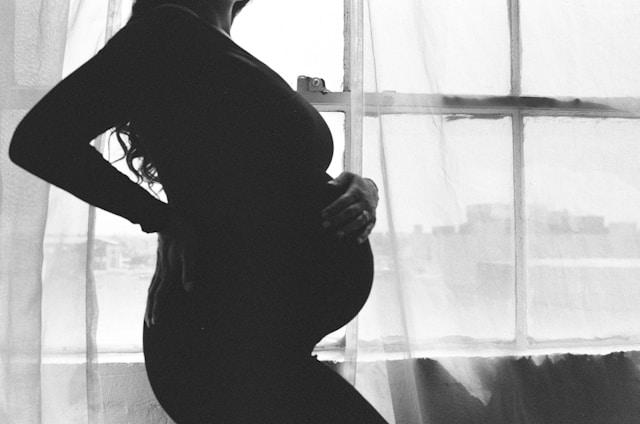
A first pregnancy often begins quietly, as a small disruption to a familiar rhythm. You might notice a missed period, a sudden tiredness that feels heavier than ordinary fatigue, or a faint nausea that comes and goes without warning. For many people, the earliest weeks are less about looking pregnant and more about feeling slightly unfamiliar in their own body. It can be strange to carry something so significant while still appearing the same to everyone else, as if your life has changed in private but the world has not caught up.
In those early days, it is common to feel a mix of emotions that do not neatly line up. Excitement can sit beside anxiety. Gratitude can coexist with irritability. Calm can break suddenly into worry over a symptom you have never felt before. First pregnancies are full of new sensations, and because they are new, your brain treats them as urgent. You may find yourself scanning your body for clues, searching the internet late at night, and comparing your experience to other people’s stories. The comparison rarely brings peace, because pregnancy does not come in one standard version. Some people feel almost normal in the first trimester, while others feel as if they are walking through weeks of nausea and exhaustion. Both experiences can be normal, and neither one predicts what kind of parent you will be.
The first trimester is often the most disorienting because so much is happening that you cannot see. Your body is building the foundations of pregnancy while you are still expected to function in everyday life. Nausea, food aversions, breast tenderness, frequent urination, and sudden fatigue are all common companions. Smells can become intense, tastes can change, and foods you once loved can feel impossible. You might also find that your tolerance for stress shifts. Tasks that used to feel simple can start to feel overwhelming, not because you are weak, but because your body is doing extra work in the background. If you feel like you are moving through the day with less energy and more emotion than usual, you are not imagining it. Your body is asking for resources, and your mind is adapting to a new reality.
This is also when prenatal care usually enters the story in a more concrete way. The first appointments can feel like a flood of information. You may be asked about medical history, lifestyle habits, medications, and family health patterns. Blood tests and early checks can be part of the process, along with discussions about screening options. Even when everything is straightforward, the fact that you are now attending appointments for a pregnancy can make it feel real in a new way. It is one thing to hold the knowledge privately. It is another to sit in a clinic, answer questions, and realize that your life now includes a schedule of care and decisions.
In a first pregnancy, many people are surprised by how social pregnancy becomes, even before they are ready for it to be public. You might tell one person and suddenly feel the urge to manage everyone’s reactions. Some people respond with warmth and helpfulness. Others respond with advice, certainty, or stories that leave you feeling more anxious than supported. There can be pressure to share details before you feel comfortable, and pressure to feel a certain way about every stage. It helps to remember that you are allowed to set boundaries early. You can decide who knows, what they know, and when they know it. Privacy is not secrecy. It is simply choosing what feels safe while you adjust.
As the pregnancy moves forward, many people find the second trimester steadier, though not always simple. Energy often improves, nausea may fade, and daily life can feel more manageable. At the same time, new discomforts can appear, like heartburn, back aches, or changes in sleep. The body begins to show the pregnancy more clearly, and with that visibility often comes more attention. People may comment on your body, ask personal questions, or offer opinions on what you should be doing. Some of this attention can feel sweet. Some of it can feel intrusive. First pregnancies often teach you how to protect your space kindly but firmly, especially when the world starts treating your body like public conversation.
The second trimester can also bring moments that shift your emotional connection to the pregnancy. For many first time parents, the first noticeable movements are a turning point. They can be subtle at first, like a flutter you could mistake for digestion, and then become more distinct. When movement becomes real, it can create a sense of relationship that is hard to describe. The pregnancy stops being only information on an app or a date on a calendar and becomes something you can feel from inside. That can bring comfort, but it can also bring new waves of worry. Feeling movement is reassuring, and then you might notice the days when it feels quieter. It is a constant lesson in living with change and learning what is normal for your body.
By the third trimester, pregnancy often becomes a full body experience. Your center of gravity shifts, your belly grows heavier, and simple tasks can require more effort. Sleep can be harder to find, not just because of discomfort, but because your mind is now rehearsing the future. You may think about labor, about whether you are ready, about how life will look after birth. You may feel a strong urge to organize, prepare, and control what you can. This is sometimes called nesting, but it is not only about setting up a nursery. It is also about creating a sense of stability before a major change. Many people begin to set boundaries around visitors, plan leave from work, and have more practical conversations with their partner or family about support.
Labor and birth can be both less dramatic and more intense than people expect. The movies often show a clear start and a fast sprint to the hospital. Real labor can begin quietly, with cramping, back pain, or irregular contractions that make you wonder if you are imagining it. Active labor can take time, especially in a first pregnancy, and the emotional landscape can shift from confidence to doubt and back again. Support during labor matters in a practical way. It helps to have someone who can help you rest, drink water, communicate with the care team, and remind you that intensity does not automatically mean danger. If interventions are recommended during birth, it can feel emotional, particularly if you had strong expectations. It is important to remember that birth is not a performance. It is an event that depends on your body, your baby, and the situation in the moment. Needing help does not mean you failed. It means the priority is safety.
After birth, many first time parents are surprised by how layered the early weeks feel. The baby is here, but you are also recovering, learning, and adjusting at the same time. Your body begins postpartum healing, and that process can be uncomfortable and unpredictable. Sleep becomes fragmented. Time feels different. Feeding can bring its own learning curve, whether you breastfeed, pump, formula feed, or use a combination. Alongside the practical work of caring for a newborn, there is often an identity shift that takes time to settle. You may feel joy and tenderness and also feel overwhelmed or tearful. Many people experience mood swings as hormones shift and sleep drops. Feeling emotionally raw in the early postpartum period can be common, but if you feel persistently hopeless, panicked, detached, or unable to cope, it is important to reach out for support. Postpartum mental health matters, and getting help is a sign of care, not weakness.
If you want the most honest expectation for a first pregnancy, it is that it will be both ordinary and life changing. It includes mundane moments, like gagging at a smell you used to love, and profound moments, like hearing a heartbeat or feeling the first kick. It will likely teach you patience, boundaries, and a new relationship with uncertainty. Some days you may feel deeply connected to what is happening. Some days you may feel like you are simply trying to get through your responsibilities without feeling sick or tired. Both experiences belong in the same story. The more you treat your first pregnancy as a process rather than a standard you must meet, the more space you create for what you actually need: rest, reliable support, and permission to feel everything that comes with becoming a parent for the first time.
 WhatsApp
 Instagram
 Threads