
A property inspection in Singapore should feel less like a casual viewing and more like a disciplined exercise in risk management. It is easy to be swayed by staging, bright lighting, and a well rehearsed sales narrative, but the inspection is the moment where you separate what is merely attractive from what is structurally sound, functional, and financially sensible. In a high value market, small hidden issues can translate into large repair bills, prolonged disputes, or years of day to day frustration. The purpose of an inspection is not to demand perfection. It is to understand what you are truly buying, what will require attention soon, and what you can use to negotiate price or terms before the transaction becomes irreversible.
The first step is to recognise that “inspection” means different things depending on what you are buying. A brand new private condominium unit is often assessed through the lens of workmanship and defects reporting, because the developer commonly provides a defects liability window during which issues can be rectified. A new HDB flat also has a defects reporting period, and the practical implication is the same: you want to surface problems early, document them clearly, and submit them through the proper channel while you still have leverage. A resale flat or resale condominium is different. There is no developer rectification regime you can rely on, so your inspection becomes a broader evaluation of life cycle wear, renovation quality, building management health, and the probability of costly surprises after completion. A landed property shifts the emphasis again, because the building envelope and external elements become your responsibility in a more direct and expensive way.
Even before you arrive at the unit, it helps to align documents with reality. What is included in the sale, what is excluded, and what is merely there for presentation should be clarified early. Many misunderstandings begin with assumptions about appliances, light fittings, built in carpentry, or even bathroom accessories that were never intended to transfer with the property. When expectations are vague, disputes follow. When expectations are precise, you can negotiate with confidence and avoid paying for things that were never part of the deal.
Once you step inside, the most important mindset in Singapore is to treat water as a primary risk. Humidity and frequent heavy rain make moisture related defects both common and expensive. Water issues are rarely neat. They can appear as faint stains, a slightly bubbled paint surface, a musty smell, swollen skirting, or warped cabinetry that someone has tried to hide with a fresh coat of paint. The inspection should slow down around bathrooms, kitchens, balconies, and any wall that backs onto a wet area. It should also include ceilings, particularly in top floor units, as well as corners and window edges where seepage and condensation often reveal themselves first.
Bathrooms deserve particular attention because they combine waterproofing, gradients, drainage, and ventilation. A bathroom can look clean and still be poorly built. Pay attention to whether the floor seems to guide water naturally toward the floor trap, or whether water would likely pool near the shower area or doorway. Examine tile joints and sealant lines, not because these are glamorous details, but because failure often begins at edges and joints. Run the taps, flush the toilet, and observe how quickly water drains. If the property is new, these are precisely the issues you want identified early so they can be rectified within the defects reporting window. If the property is resale, these are the issues that can quickly inflate your renovation budget and disrupt your move in timeline.
Kitchens and wet kitchens should be treated as functional zones, not display zones. Water pressure matters. Hot water response time matters. Drainage speed matters. A slow draining sink during a quiet viewing can become a persistent clog problem once real cooking begins. Look under the sink for signs of past leakage, including swollen cabinetry, staining, damp smells, or makeshift repairs. If the unit has provision for a dishwasher or additional appliances, check whether power points and water inlets are sensibly positioned. Poor planning can force retrofits that involve hacking, re routing pipes, and redoing finishes, which is both costly and disruptive.
After water, the next priority is workmanship and surface integrity, especially for floors and walls. Hairline cracks are not uncommon, but patterns matter. A single faint crack can be cosmetic. Repeated cracking around corners, near windows, or along the same line may suggest movement, poor plastering, or moisture stress. With tiled flooring, pay attention to uneven edges and hollow sounding tiles. These issues may seem minor, but they affect how the home feels every day and can signal rushed installation. Walls and ceilings should be checked for uneven surfaces, patchy paintwork, and staining that suggests hidden repairs. If the property has been recently renovated, the inspection becomes as much about renovation quality as it is about the original construction. A sleek design can still conceal sloppy workmanship behind cabinetry and feature walls.
Windows and doors reveal quality quickly because they are moved and used repeatedly. Open and close each window panel, test locks, and observe whether the frames feel aligned. In Singapore, poor sealing can worsen condensation, allow water ingress during storms, and amplify noise. Doors should close smoothly without scraping. Frames should not show obvious gaps or misalignment. If the unit has a balcony, check whether it drains properly and whether the area shows signs of staining or persistent dampness. Balconies can become water collection zones when slopes are imperfect or drains are partially blocked.
Electrical and mechanical checks should mimic real living rather than staged viewing. Switch on lights to look for flickering. Test power points by plugging in a charger. Check the distribution of sockets in bedrooms and living areas, because insufficient or oddly placed power points often lead to messy extensions or costly rewiring. If air conditioning units are provided, run them. Listen for abnormal noise and observe whether they cool effectively. Air conditioning issues can be deceptively expensive because they often involve piping, drainage, and access behind ceilings or trunking. Ventilation matters too. Test bathroom and kitchen exhaust fans, because poor airflow contributes to mould, persistent odours, and faster deterioration of finishes.
Beyond what you can touch, sound and smell provide useful signals. Stand still in bedrooms and living spaces and listen. Noise patterns can be the true deciding factor in high density environments. Road noise is one part of it, but so is mechanical noise from pumps, bin centres, lift motor rooms, and neighbouring units. A single daytime visit can miss evening realities, so it helps to revisit at a different time if you can. Smells also matter. A strong fragrance can be a genuine lifestyle choice, but it can also be a cover for dampness, poor drainage, or ventilation problems. You are not trying to be paranoid. You are trying to be attentive.
For resale condominiums, the inspection should expand beyond the unit into the building and its management, because your ownership experience will be shaped by how well the estate is run. A beautifully renovated unit in a poorly managed development can become a frustrating investment. Look at common areas and observe whether they are clean, well maintained, and actively cared for. If you can access relevant information, review recent meeting minutes and ask about recurring issues such as leaks, lift downtime, security concerns, pest problems, or disputes with contractors. Pay attention to the direction of maintenance contributions and whether major works are anticipated. Healthy reserves for long term repairs can be a quiet strength, while weak reserves can translate into sudden fee increases or special contributions when major repairs become unavoidable.
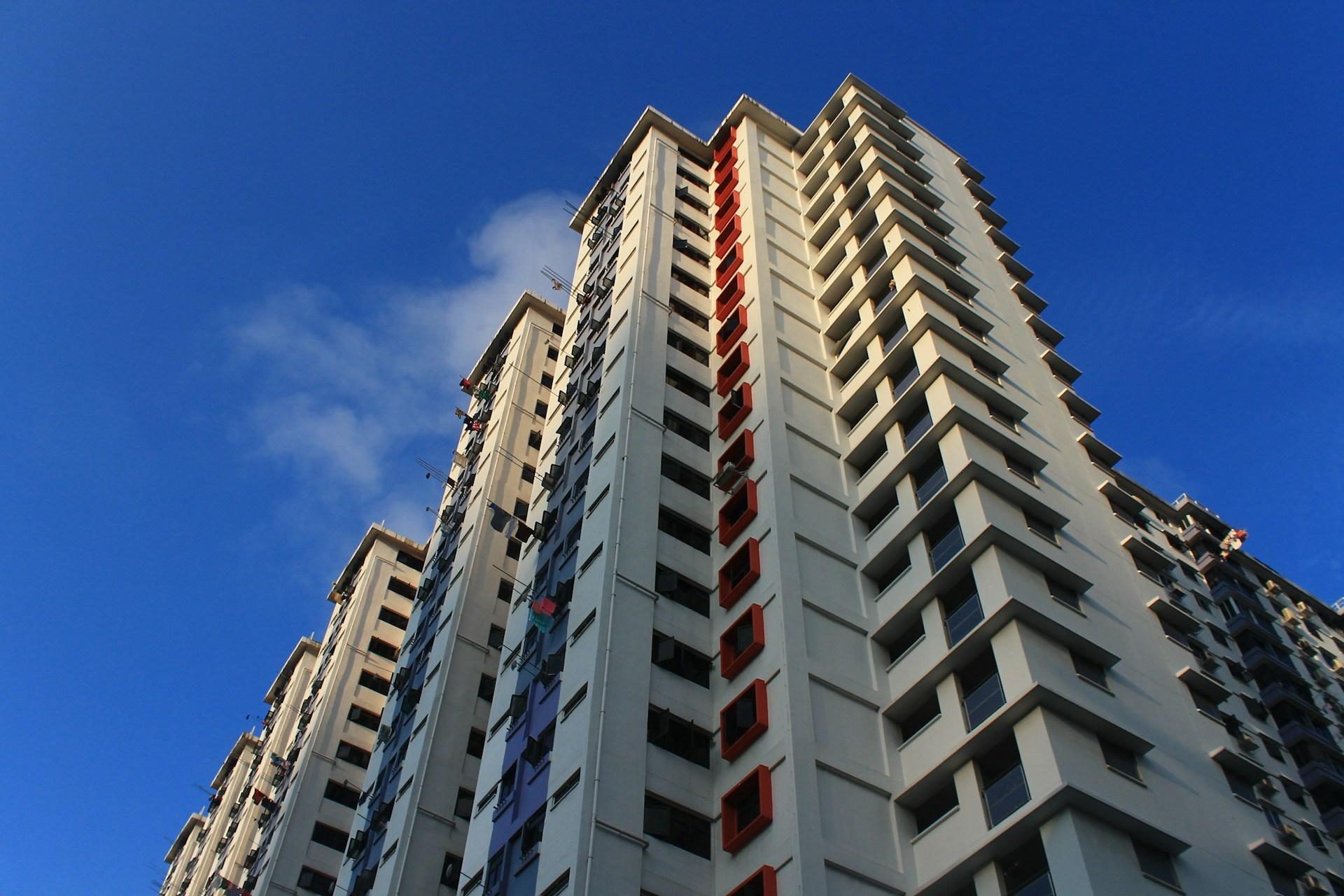
For HDB resale, the building level questions look different but still matter. The unit may be your focus, yet the shared environment shapes daily comfort. Check the condition of corridors, lift lobbies, and void deck areas. Observe whether the block feels well maintained, whether there is evidence of persistent clutter, and whether the ventilation in common areas seems adequate. Also consider the lived reality of the neighbourhood, including noise, cooking smells, and renovation activity that can affect your experience.
Landed properties require a different level of caution because external elements can carry significant hidden costs. Roof conditions, guttering, external wall integrity, drainage paths, and signs of pest activity become more important. Older landed homes may have charm, but charm is not a substitute for maintenance. If you are considering a landed purchase, a professional inspection can be especially valuable because the building systems and external structures are complex and expensive to repair.
A common mistake across all property types is treating inspection as purely visual. Some defects only show themselves through use. That is why it is important to run taps, flush toilets, test door movement, and observe how water drains. It is also why documentation matters. Photographs, short videos, and written notes make your concerns concrete rather than emotional. In a negotiation, specificity carries weight. Saying that a bathroom tile joint appears poorly sealed, that the window lock does not engage smoothly, or that there are signs of moisture under the sink is more persuasive than saying the unit feels problematic.
What you do after the inspection is as important as what you notice during it. For new properties, the goal is to report issues promptly and follow the established process so problems are rectified within the relevant window. For resale properties, your leverage is contractual and commercial. If you uncover meaningful issues, you can adjust your offer price, request repairs before completion, or revise your renovation budget and contingency buffer. Not every issue should derail a purchase. The question is whether the issue is cheap and straightforward, whether it signals deeper risk, and whether it affects daily life enough to reduce long term satisfaction and resale appeal.
Ultimately, a property inspection in Singapore is about clarity. You are not inspecting to find reasons to fall in love with a home. You are inspecting to understand the real cost of owning it, including what you can see, what you can test, and what the building or neighbourhood environment will demand of you over time. When you treat the inspection as serious due diligence, you gain more than defect detection. You gain negotiating power, budgeting accuracy, and the confidence that your decision is anchored in reality rather than presentation.
 WhatsApp
 Instagram
 Threads



.jpg&w=3840&q=75)