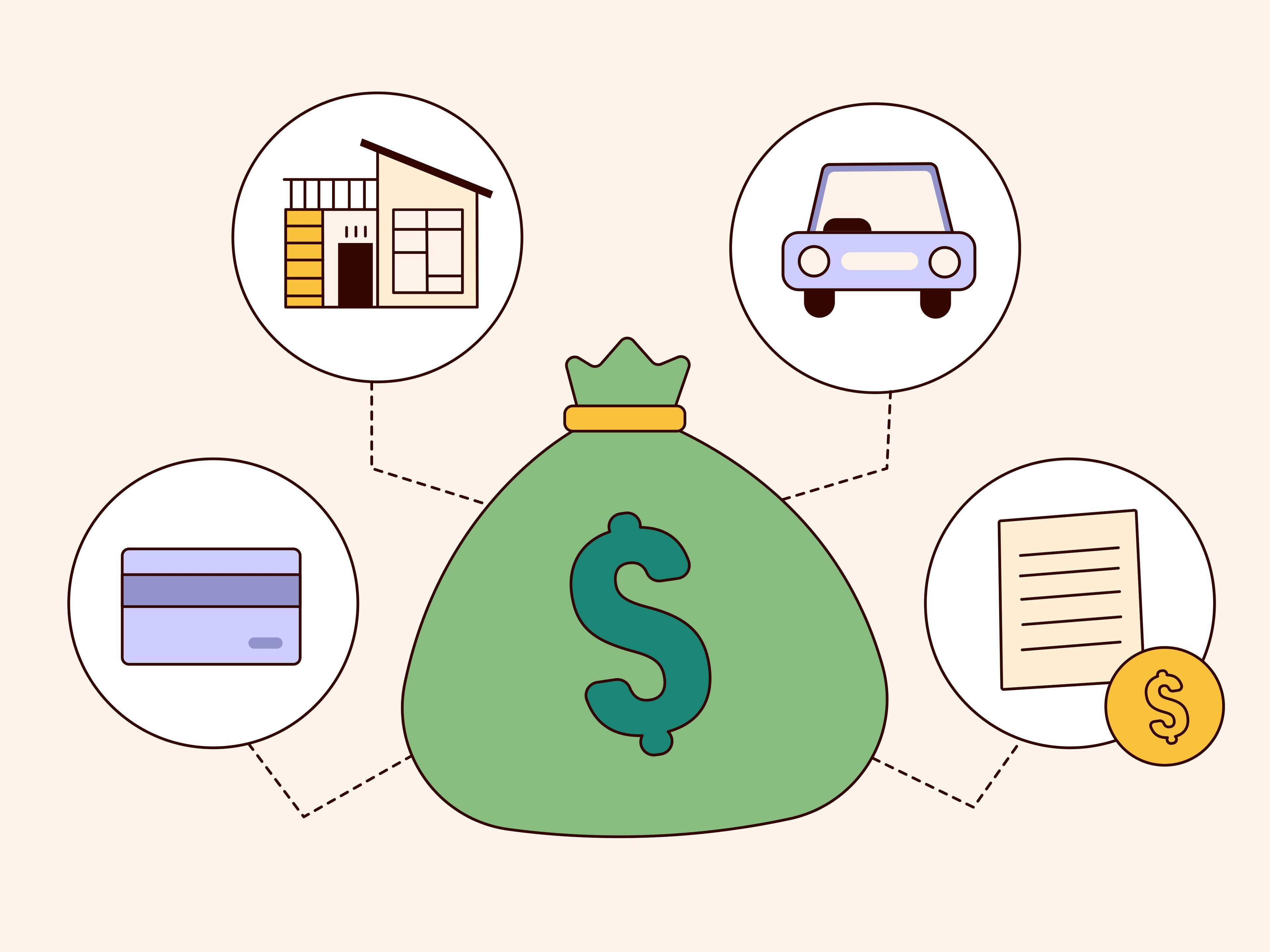
COE prices in Singapore often feel like more than a market number. They show up in dinner conversations, office chatter, and group chats the way rent increases or flight deals do, as something that quietly shapes daily decisions. When prices rise, people talk about postponing a purchase, renewing an older car, or switching to public transport and ride-hailing for longer. When prices fall, buyers begin to wonder if it is finally their window. That emotional quality is not accidental. COE prices are the visible outcome of a system designed to make vehicle ownership scarce, timed, and competitive. To understand what drives the numbers up and down, you have to look at both the policy mechanics that control supply and the human pressures that keep demand persistently intense.
At the core, a COE is not just a fee. It is a right to register and use a vehicle for a fixed period, typically ten years, and that right is allocated through a bidding process. In practical terms, that means the price is determined in an auction, not posted on a menu. Every bidding exercise becomes a real-time confrontation between limited availability and the number of people who are unwilling to wait. When you put scarcity into an auction format, small shifts in mood and timing can produce big jumps in price. That is why COE premiums can feel unpredictable even when nothing obvious has changed on the roads.
Supply is the first major force. In Singapore, the number of COEs available is governed by the Vehicle Quota System. Quota is released on a quarterly basis and is built from several components, with one of the most important being replacement certificates generated when cars are deregistered. This is where the story gets interesting, because deregistrations are not random. They reflect what happened a decade earlier when those vehicles were first registered. Many cars reach the end of their ten-year COE around the same time because ownership cycles cluster. If many owners decide to scrap or export their vehicles at the end of the term, more replacement COEs feed into future quota supply. If owners renew instead, fewer vehicles exit the system, and that can tighten supply later. In other words, today’s COE availability is partly shaped by past buying waves and current renewal decisions, which means the market is always responding to echoes of its own history.
Quota is also influenced by administrative adjustments and category-specific factors. Changes in taxi population, temporary COEs that expire, and policy schemes related to certain types of vehicles can affect how many certificates are released. There can also be redistributions between categories and occasional injections of additional COEs to manage the overall supply curve. These technical levers matter because the COE market is not one single pool. It is split into categories, and each category experiences its own supply and demand pressures. When supply increases in one category but not another, prices can diverge sharply even if the broader economic environment stays the same.
Those category boundaries are a second important influence because they determine who competes with whom. If a vehicle qualifies for a category with heavier demand, it is effectively pushed into a more crowded auction. The definitions matter, especially for vehicles that sit near cutoffs. Buyers and dealers pay close attention to thresholds because being on one side of a line or the other can mean a very different premium. When category definitions are updated, including how certain vehicle types like fully electric cars are classified, the competitive landscape can shift. Sometimes these changes do not feel dramatic in everyday life, but in an auction system, even subtle reclassification can redirect demand and influence clearing prices.
The Open category adds another layer to how prices move. Because it can be used to register most vehicle types other than motorcycles, it tends to reflect broad demand pressure across the market rather than the needs of one niche segment. It can act like a flexible outlet when buyers find specific categories too expensive, and it can also become a benchmark that influences expectations. When the Open category premium rises, it signals that buyers across many segments are pushing harder, which can reinforce the feeling that every category is heating up. When it falls, it can encourage the belief that the market is easing, even if a specific category remains tight.
Then there is the auction mechanics themselves, which shape price behavior in a way people often underestimate. COE premiums are not an average of what everyone bids. They are set by the marginal outcome, the point where the last successful bids meet the quota limit. That means the most price-sensitive bidders, the ones who barely make it, end up determining the clearing premium everyone pays. If those marginal bidders become more aggressive, the price rises for all winners. This feature is why a small increase in urgency among a subset of buyers can cause a noticeable jump in the final premium. It also explains the emotional intensity around bidding exercises. People are not just watching a number. They are watching a live contest where a few extra determined bidders can change the result for everyone.
Dealer behavior can amplify that effect. Many buyers do not bid individually, and even those who could often prefer the convenience of letting a dealer manage it. Dealers are not neutral actors. They are balancing delivery timelines, inventory constraints, and customer expectations. When they anticipate strong demand for certain models, they may advise customers to bid more aggressively or to secure a certificate earlier to avoid delays. The market can begin to feel like it is moving in unison, not necessarily because anyone is colluding, but because many participants are responding to the same pressures and incentives at the same time. In a competitive auction, that collective response can push premiums upward quickly.
Demand, however, is not only about the desire to own a car. It is also about what a car solves in Singapore’s daily life. Some people bid because their work hours make public transport difficult. Some bid because they have children and want the convenience of school runs without juggling transfers. Others bid because they are caring for older family members and need flexibility for medical appointments. A portion of demand is lifestyle-driven, tied to comfort, independence, and the ability to move without planning every trip around schedules and surge pricing. Because cars represent both practical utility and a sense of control over time, demand remains resilient even when premiums feel punishing. People may complain, but many still step into the auction because the alternatives do not fully replace what the car provides.
Economic confidence plays a quiet but powerful role in this decision. When households feel stable about their jobs and income, they are more willing to commit to large purchases and to tolerate higher premiums. When uncertainty rises, buyers delay, downgrade, or pivot to the used market. In a quota-limited auction, this does not have to happen on a massive scale to affect price. Even a modest cooling of sentiment can reduce the number of aggressive bids and soften the clearing premium. Conversely, a return of confidence can bring marginal buyers back into the bidding pool, which can lift prices again.
Financing conditions also influence demand by shaping what feels affordable month to month. While COE is a large upfront component, many car purchases are judged through the lens of instalments. When interest rates rise and borrowing becomes more expensive, the same vehicle and COE premium can feel heavier, discouraging some buyers or forcing them to bid lower. When borrowing costs fall or loan terms feel easier, more buyers can justify higher bids. This is why COE prices can sometimes move alongside broader financial conditions, even though the auction is local. The auction happens in Singapore, but the psychology of affordability is tied to the wider rate environment and the way consumers experience credit.
Timing creates its own set of pressures. Demand often clusters around moments when people are more likely to buy. New model launches generate excitement and can prompt buyers to secure COEs to lock in delivery. Promotional cycles and year-end incentives can pull demand forward. Life events like weddings, new babies, and relocations do not happen evenly across the calendar. They cluster in human ways. Even corporate fleet decisions can concentrate purchases. The result is that COE demand can rise in waves, and when those waves coincide with tighter quota periods, premiums can jump sharply.
The used car market feeds back into COE prices in a loop that can be hard to notice until you are in it. When COE premiums are high, used cars with remaining COE validity can look more attractive because they offer immediate access to ownership without going through the same bidding intensity. That demand can push used car prices upward. As used cars become more expensive, some buyers return to new cars and the COE auction, especially if they feel the premium is inevitable anyway. The markets begin to chase each other. High COE premiums raise used prices, which then influences new demand, which circles back into COE premiums again.
Renewal behavior at the end of a vehicle’s COE also matters because it changes how many cars exit the system. When the prevailing premium is high, some owners may still renew because replacing the car feels even more expensive. Others may deregister because maintenance costs are rising and the renewal price feels unjustifiable. If more owners renew, fewer cars are deregistered, which can tighten future replacement-driven quota supply. If more owners deregister, future supply may increase. Either way, the decision to renew or deregister is not just a personal choice. In aggregate, it shapes the next chapters of quota availability and therefore future COE prices.
Policy signals and adjustments can influence prices by changing expectations. Even when the government does not directly set premiums, changes in how quotas are calculated or allocated can affect how buyers and dealers anticipate future conditions. Markets do not wait for policy changes to fully play out. They react to the possibility. If participants believe supply will tighten, some may rush to bid earlier, pushing up premiums in the near term. If they believe supply will expand, some may hold back, cooling demand temporarily. Expectations become behavior, and behavior becomes price.
There is also a social layer that matters in a city where scarcity is a shared reality. COE prices become widely discussed precisely because they are a visible measure of limited access to something that many people associate with progress and stability. Car ownership can symbolize a transition into a new phase of life, the moment you feel you can finally provide more convenience for your family or reclaim more time for yourself. That symbolism is not the main reason COE premiums rise, but it strengthens demand by making the purchase emotionally meaningful. When something becomes a marker of achievement, people stretch more for it, and in an auction system, stretching translates into higher bids.
In the end, COE prices in Singapore are shaped by an engineered supply framework meeting a very human set of needs and desires. The quarterly quota determines how many people can win. Deregistration and renewal patterns influence how much supply will exist in future cycles. Category definitions and the Open category alter who competes with whom. Auction mechanics ensure that marginal urgency can lift the clearing premium for everyone. On the demand side, family needs, work realities, economic confidence, financing conditions, seasonal timing, dealer behavior, and social meaning all influence how aggressively people bid. When these forces align, prices surge. When they loosen, prices ease. That is why COE premiums can feel like a mood. They are the sum of policy and psychology, scarcity and aspiration, all expressed through a competitive auction that never stops reminding Singaporeans what it means to want something limited.
 WhatsApp
 Instagram
 Threads





.jpg&w=3840&q=75)