Filing income tax in Malaysia feels intimidating the first time because it looks like a mix of rules, forms, logins, and deadlines. In reality, it is a repeatable yearly routine. Once you understand what LHDN (HASiL) expects from an individual taxpayer, the process becomes less about guessing and more about confirming: confirm you are registered, confirm you are using the correct return form, confirm your income figures, confirm your relief claims, then submit and keep your records. The most useful way to think about Malaysian income tax filing is to separate it into three stages: getting access, preparing your numbers, and completing the return in MyTax. Most of the stress people experience happens when they skip the first stage until the last minute. If you do not yet have a Tax Identification Number (TIN) or you cannot log in, you can have perfect documents and still be unable to file on time.
Access starts with registration. LHDN’s current guidance says that, effective 1 January 2024, individuals should apply for a TIN online via e-Daftar in the MyTax portal. That single line matters because it sets the direction for first-time filers: you are not “waiting for your employer to settle it,” and you are not supposed to treat tax registration as a manual counter-only task by default. If you are newly employed, newly self employed, or returning to Malaysia and unsure whether you have a tax file, the practical move is to check early, register if needed, and make sure your MyTax access works well before the filing season peak.
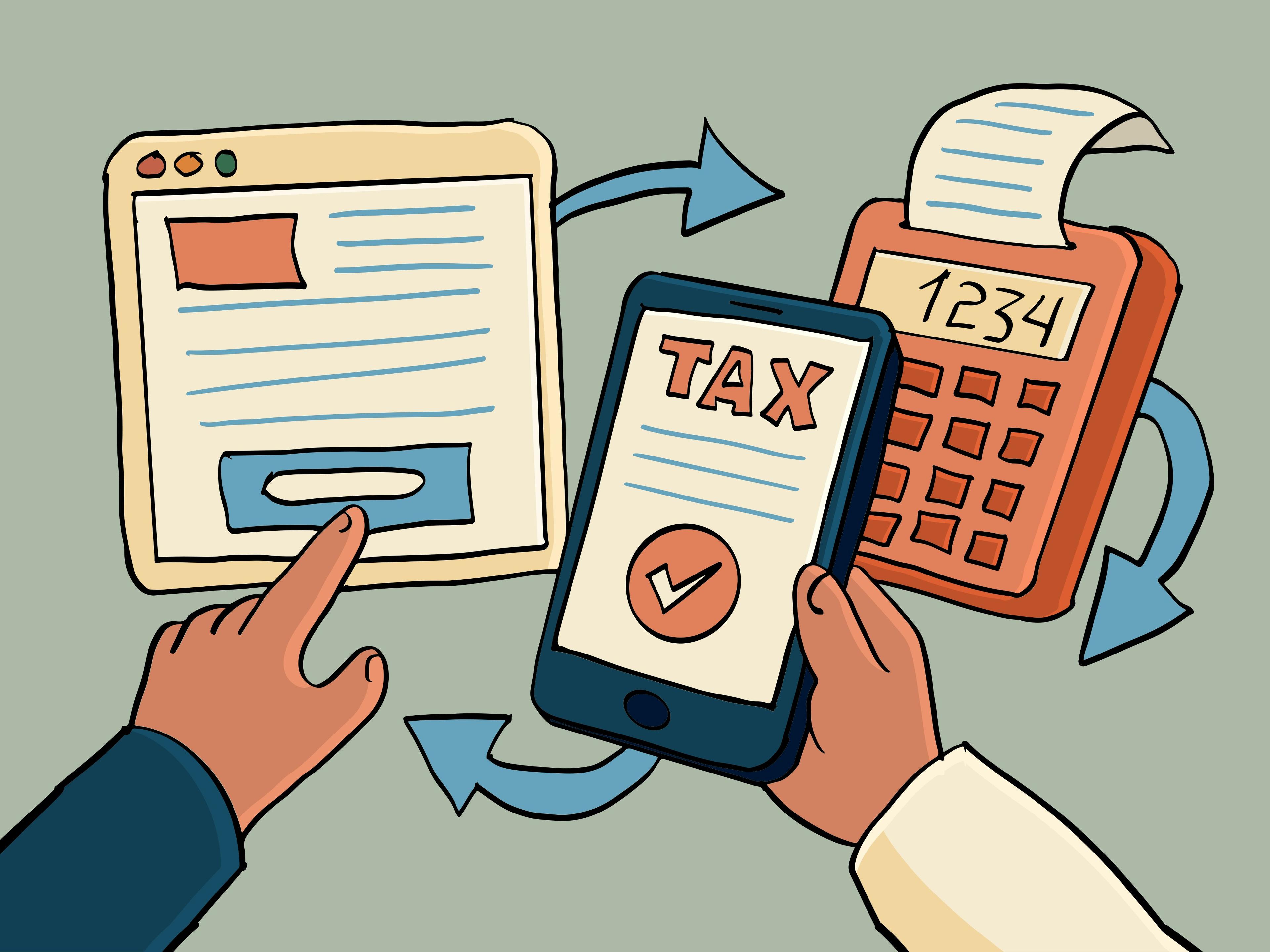
Once you can access MyTax, you will file using LHDN’s e-Filing service inside ezHASiL. The user manual for e-Form inside ezHASiL makes the flow clear at a high level: you enter the e-Filing menu, choose e-Form, select the relevant form type and the correct Year of Assessment, then proceed through the sections to complete and submit. The details on the screen may change slightly from year to year, but the sequence rarely changes. You are choosing the right return first, then entering and reviewing information in a guided format. Before you touch the return, identify which form applies to you. For many readers, the key split is simple. If you are an individual with employment income and you do not carry on a business, you will usually file as e-BE. If you carry on a business, including many forms of self employment that count as business income, you will usually file as e-B. This is not just a label difference, it affects the reporting sections and your filing timeline.
Deadlines are where people get caught, so it helps to anchor them early. LHDN’s own deadline page states that employment income filing (e-BE) is on or before 15 May, while business income filing (e-B) is on or before 15 July, with a note that the date of online submission may be subject to change. Treat those two dates as your mental calendar. If you are on the salary-only track, you aim to submit by mid May. If you have business income, you aim to submit by mid July. Even if you plan to file earlier, knowing the official deadline reduces uncertainty.
Now move into preparation, because a clean filing experience is mostly a document and data problem, not a portal problem. If you are employed, your anchor document is the EA form provided by your employer, which summarises your employment income and key deductions. If you changed jobs during the year, you may have more than one EA form, and you should prepare them together so your employment income declaration reflects the full year. If you have other taxable income streams such as rental income, you should prepare a simple summary that you can stand behind, supported by tenancy agreements, bank statements, or rental schedules. If you have investment related items, keep the relevant statements available. The goal is not to overwhelm yourself with paper, but to make sure every number you type into the return has a source you can point to later.
The next part of preparation is reliefs. Many Malaysians only experience the “benefit” of filing once they start claiming reliefs properly, because payroll deductions (PCB) can only estimate your final tax position. Filing is where you declare your total income, claim eligible reliefs, and settle the final computation. The right mindset here is conservative and organised. Claim reliefs you truly qualify for, and keep the receipts or documents that support them. If you cannot support a claim, it is often wiser to skip it than to create risk for a relatively small reduction. With access and preparation handled, the return itself becomes a guided narrative about your year. You log in to MyTax, open e-Filing, and select the correct form and Year of Assessment. From there, you work through sections that typically begin with personal particulars. This looks trivial but it is important for two reasons. First, your contact details should be current because LHDN uses them for communication. Second, your bank account information matters if you expect a refund, since incorrect details can delay processing.
Then comes income declaration. For employment income, you enter figures that should align with your EA form. This is where people sometimes create trouble unintentionally by treating the form like an estimate. A good return reads like a consistent story across documents. Your EA form summarises what your employer paid and deducted, your return repeats those totals, and the system computes tax based on rules. If the numbers do not match without a clear reason, it increases the chance of follow up questions.
If you have business income, your return will ask for business related information. This is where good bookkeeping pays off. Business income filing is not just “key in what I think I made.” It is a summary of income and allowable expenses. If you are self employed and filing business income for the first time, the most practical decision you can make is to treat your first year as the year you build a simple system. Track revenue consistently, keep expense receipts, separate business and personal spending where possible, and keep a short note explaining unusual items. When you do that, filing stops being a memory test.
After income, you move into reliefs and rebates. This section is where the return can genuinely reduce your final tax payable, but only if you approach it with discipline. Think of each relief as a claim that must be true and provable. You enter the amount, but behind that amount should be a receipt, statement, or confirmation. Filing gets messy when people try to remember what they spent, then reverse engineer a number to fit the cap. Filing gets clean when people claim what they can document.
Once you have entered income and reliefs, the system computes your tax payable. This is the moment to pause and do a reasonableness check. If you are a salaried taxpayer who had PCB deducted each month, you may see a balance payable or a refund. A refund often means PCB was higher than your final tax after reliefs. A balance payable can happen if you had additional income not fully captured by PCB, received a large bonus, changed jobs, or simply had lower PCB deductions relative to your total taxable income.
If the result surprises you, do not submit immediately. Go back and verify the basics. Confirm your employment income totals, confirm you did not double count or miss a category, confirm the PCB credit entered matches what your EA form and payslips indicate, and confirm your relief entries are correct. Most “unexpected tax bills” come from missing a portion of income, misunderstanding which section a figure belongs in, or entering relief numbers incorrectly. After submission, the process is not truly over. Filing is a declaration, and declarations come with record-keeping responsibilities. Even if you never hear from LHDN again, you should keep your supporting documents organised because LHDN may request verification. This is also why it is smart to file using numbers you can defend. A return that is accurate and supported tends to stay quiet.
If you have tax to pay, do not treat payment as a separate future task. The simplest habit is to file, confirm the payable amount, then pay promptly using the channels provided. Many Malaysian banks publish practical guidance on paying income tax and highlight the importance of filing and paying within the relevant grace periods to avoid penalties and charges. The details of payment methods can vary by bank and year, but the principle is stable: paying late is avoidable friction.
If you are due a refund, make sure your bank details in the system are accurate, then be patient and keep your proof of submission. LHDN’s individual FAQ explains refund processing timelines in working days, depending on whether the submission was made by manual form or via e-Filing. Processing time can still vary based on checks and seasonal volume, but accuracy is the lever you control. Clean inputs, consistent documents, correct bank information. First-time filers often ask a very common question: if PCB is already deducted, do I still need to file? The practical answer is that PCB is a payroll mechanism to collect tax progressively, while filing is the yearly reconciliation where you declare total income, claim reliefs, and finalise your actual tax position. Filing is also how you correct over deductions and receive refunds when applicable. In other words, PCB does not replace filing, it supports it.
Another common confusion is form choice when someone has side income. If you are employed and you also earn money from freelancing, commissions, or small business activities, your filing may shift toward the business income category depending on how the income is classified. This is where you should be cautious about assumptions. The best approach is to decide early whether you are still purely salary based or whether you are now carrying on business income, because that affects both reporting sections and the submission deadline. LHDN’s stated deadlines draw a clear line between e-BE for employment income and e-B for business income, and you should align your filing plan to that line.
Ultimately, learning how to file income tax in Malaysia is less about mastering tax theory and more about building a yearly process you can repeat. Register and secure access via MyTax early so tax season does not begin with a login problem. Prepare your documents so every number has a source. Choose the correct return form and Year of Assessment, then complete the return calmly, reviewing each section for consistency. Claim reliefs you can prove, submit before the relevant deadline, and pay any balance promptly. When you treat filing as an annual financial check-in rather than a one-time panic event, you not only reduce stress, you also reduce errors, and that is what makes the whole system feel manageable year after year.
 WhatsApp
 Instagram
 Threads