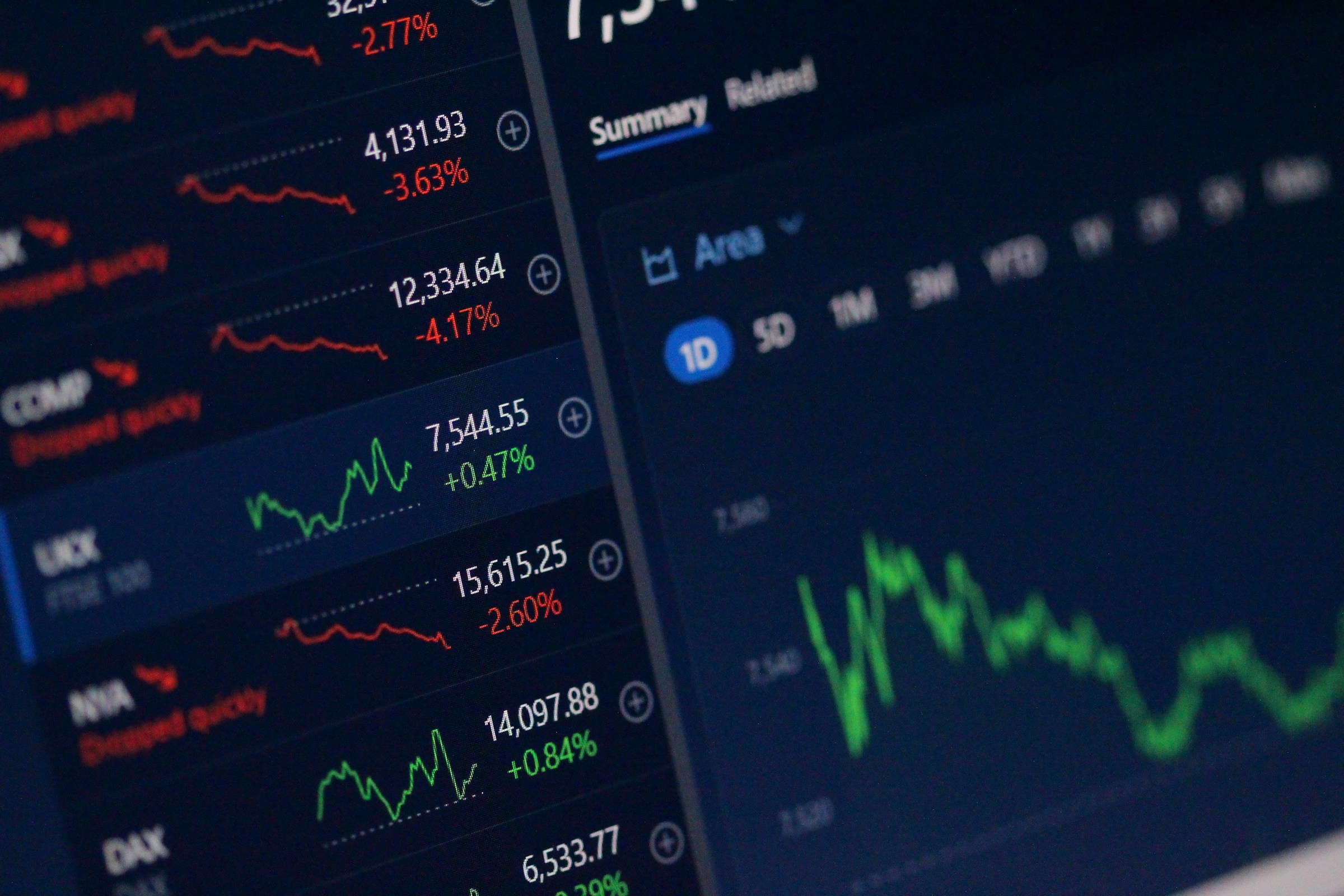
Managing risk while investing in Singapore is less about forecasting the next market move and more about building a sensible structure that can endure uncertainty. Many people associate risk with day to day price swings, but the bigger danger often comes from being forced into bad decisions at the wrong time. In a city where living costs are high and financial commitments can be substantial, the most practical form of risk management is designing a system that protects your cashflow, spreads exposure, and reduces the chances that a single setback will derail long term goals.
A helpful way to understand investment risk is to recognise that it appears in different forms. Volatility is the most visible, yet it is not the only one. Risk can also mean concentrating too much money in one company, one sector, or one market. It can mean relying on a single currency when your future spending may not be only in that currency. It can mean locking money into products you cannot exit easily. It can even mean quietly losing potential returns through high fees, since fee drag can compound over the years in a way that feels harmless at first but becomes significant later. When risk is defined broadly, it becomes clear that managing it involves more than choosing “safe” investments. It involves matching each dollar to a purpose, a time horizon, and a realistic level of uncertainty you can live with.
In Singapore, risk management usually begins with protecting your ability to hold investments through market cycles. Even a well diversified portfolio can fail a person if they need to sell during a downturn to cover essential expenses. That is why many investors start with a cash buffer. The goal of this buffer is not to chase returns, but to prevent panic selling and forced liquidation. When unexpected costs arise, such as medical bills, temporary income loss, or urgent family needs, a cash cushion allows you to meet those obligations without touching long term investments. This is a simple step, yet it is one of the strongest forms of risk control because it directly reduces the likelihood that short term stress will damage long term wealth building.
Singapore’s financial landscape also gives residents policy based anchors that can stabilise a household balance sheet. The Central Provident Fund is one example. CPF was designed primarily for retirement adequacy and long term security, and many people benefit from treating it as the stable core of their financial plan. That stability matters because it lets you take measured risk elsewhere without feeling as if your entire future depends on market performance. However, once CPF monies are invested through CPFIS, market exposure and potential losses become part of the equation. The key is not to assume that investing CPF automatically improves outcomes. Instead, the decision should be guided by role and suitability. If CPF functions as your anchor, you may choose to keep it largely intact and take growth risk through other channels. If you have the knowledge, time horizon, and tolerance for volatility, you may allocate some CPFIS investments, but only with a clear understanding of the downside and the costs involved.
Beyond CPF, many Singapore investors look for low volatility tools to balance riskier holdings. Government securities can play this role because they are often viewed as more stable than corporate instruments. The appeal of such securities is not simply safety, but predictability and flexibility. Many households want an investment layer that sits between cash and equities, something that does not swing wildly and that can provide confidence during uncertain periods. By blending such instruments with growth assets, an investor can reduce the chance that short term market turbulence disrupts a long term plan.
Once foundations like liquidity and stability are in place, diversification becomes the central theme of risk management. Yet diversification is often misunderstood. Holding several Singapore listed shares may feel diversified, but it can still be concentration if those shares are exposed to similar economic forces. Singapore’s market is relatively small and tends to be skewed toward certain sectors, so a portfolio confined to familiar local names can become vulnerable to a narrow set of risks. A broader approach considers global earnings and global industries. When your investments represent many companies across different regions and sectors, your outcome becomes less dependent on one story or one market cycle. This does not remove volatility, but it reduces the chances that one local shock becomes a personal financial crisis.
Currency exposure adds another layer to diversification that Singapore investors sometimes overlook. The Singapore dollar is relatively stable, which can create a false sense that currency risk is irrelevant. Yet global investing often involves assets denominated in other currencies, and these shifts can influence returns in SGD terms. Rather than trying to eliminate currency movement completely, it is more useful to be intentional about it. If your future spending is likely to be mostly in Singapore, you may prefer not to take excessive currency risk. If your goals include overseas education, travel, or time spent abroad, some foreign currency exposure may align with your real life needs. The objective is to avoid accidental currency concentration and to understand how currency affects the outcomes you actually care about.
Tax and retirement structures can also shape risk decisions because they influence what you keep after costs and incentives. Singapore offers tools that can support long term investing discipline by framing money around purpose. When people separate money into buckets, such as near term spending, emergency reserves, retirement savings, and growth investing, they reduce behavioural risk. They are less likely to dip into long term funds for short term wants and less likely to chase trends with money that has an essential job to do. In many cases, the biggest risk is not that markets fluctuate, but that someone never invests enough to meet long range needs. A system that encourages consistent, purposeful investing can reduce that risk.
Fees and product complexity are where many investors unknowingly take uncompensated risk. Two investments can offer similar market exposure while delivering different results once costs are accounted for. Sales charges, platform fees, fund expenses, and transaction costs all reduce the investor’s share of returns. In the long run, paying too much can be as damaging as choosing the wrong asset. Complexity is another trap. Products that are difficult to understand may include hidden conditions, illiquidity, or payout structures that do not behave as expected in stress scenarios. Risk management here is not about avoiding all sophisticated products, but about refusing anything you cannot explain in plain language. If you cannot describe how it makes money, how it can lose money, how you exit, and what you pay, you are accepting uncertainty without being adequately compensated.
Even when investors have a sound plan, the greatest threat often comes from behaviour. People rarely lose money simply because they have never heard of diversification. They lose money because they abandon their plan during volatility, chase past performance after prices have already risen, or react emotionally to headlines. In Singapore as in any market, cycles repeat. Exciting narratives spread quickly, confidence rises, and impatience grows. Then the market reminds everyone that risk cannot be wished away. The most effective way to manage behavioural risk is to formalise decisions before emotions take over. This can include setting a target allocation and rebalancing rules. Rebalancing forces you to trim assets that have risen too far relative to your plan and to add to assets that have fallen, not because you can predict the future, but because you are enforcing a discipline that keeps risk at a level you can sustain.
Another behavioural safeguard is separating experimentation from essentials. Many investors want to learn through individual stocks, thematic ideas, or higher volatility instruments. Learning can be valuable, but it should be contained. If you decide in advance that only a small portion of your portfolio is allocated to higher risk exploration, mistakes become manageable. Your retirement goals and core financial security remain protected. This approach respects curiosity without letting curiosity endanger long term outcomes.
Risk in Singapore also includes the risk of fraud and scams, which can lead to total loss and offers no upside. Unlike market volatility, scam risk is not something you accept for potential reward. It is something you avoid through process and caution. Verifying who you are dealing with, rejecting pressure tactics, and treating unsolicited opportunities with scepticism are all practical habits that protect your money more reliably than trying to outsmart the market.
Ultimately, managing risk while investing in Singapore means building a personal system that fits your obligations and your timeline. The country’s financial environment provides both stability mechanisms and market options, but no structure can substitute for clarity. When you understand what your money is for, when you will need it, and what circumstances could force you to sell at a bad time, your decisions become more coherent. Cash protects liquidity, stable anchors provide confidence, diversified growth assets offer long term potential, and disciplined behaviour ties everything together. The goal is not to remove risk entirely, because growth requires uncertainty. The goal is to choose the risks that are worth taking and to avoid the risks that can ruin your plan.
 WhatsApp
 Instagram
 Threads