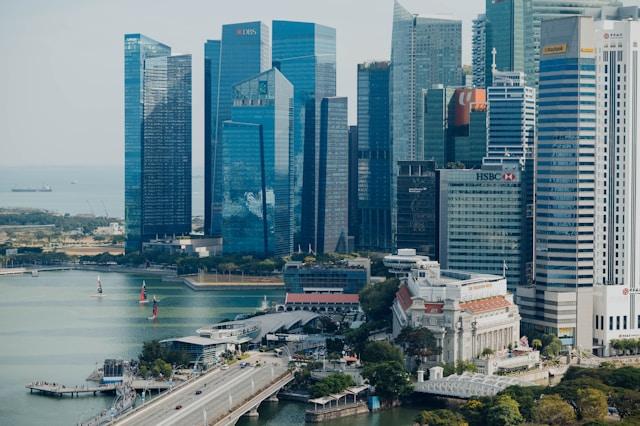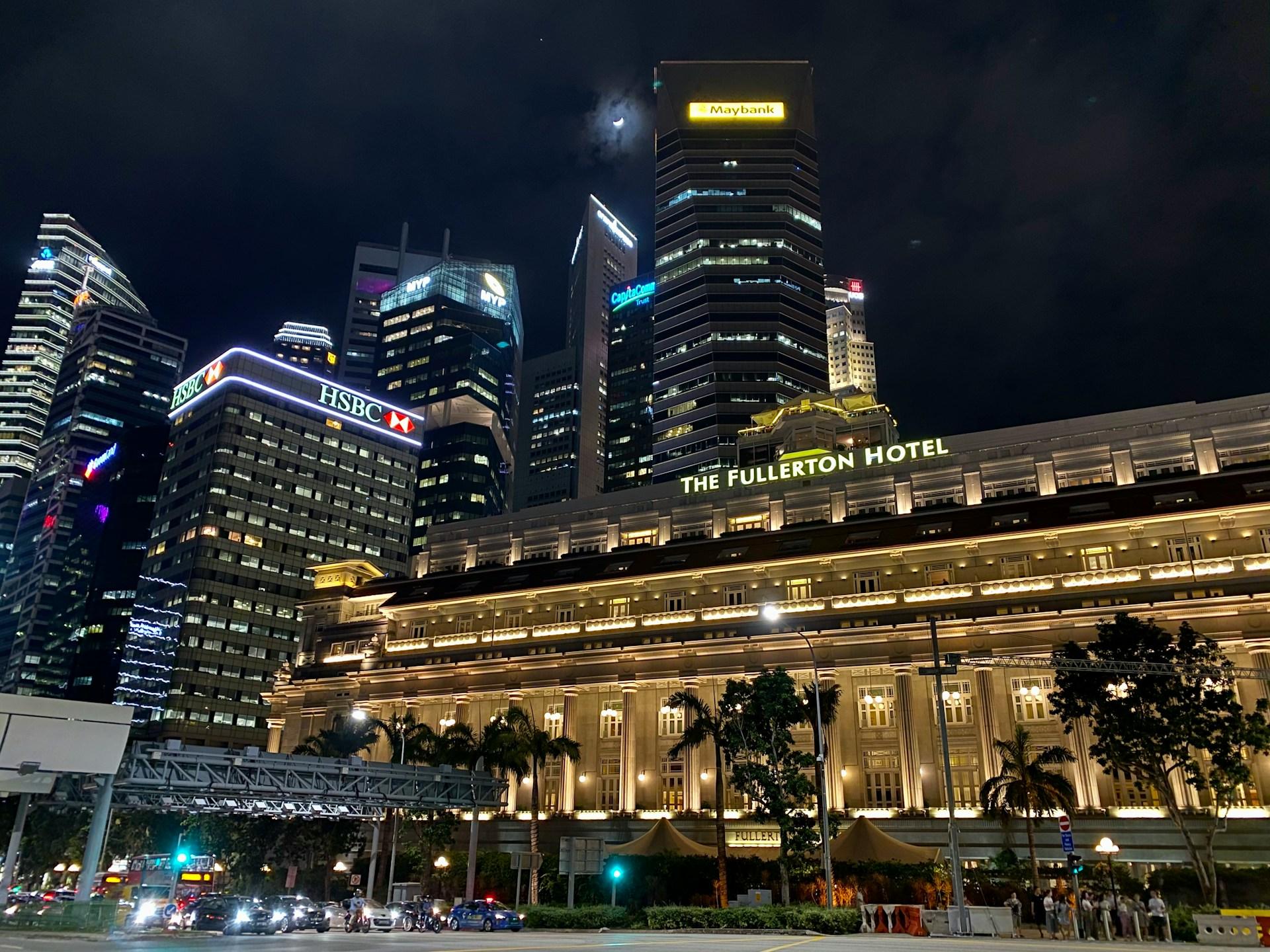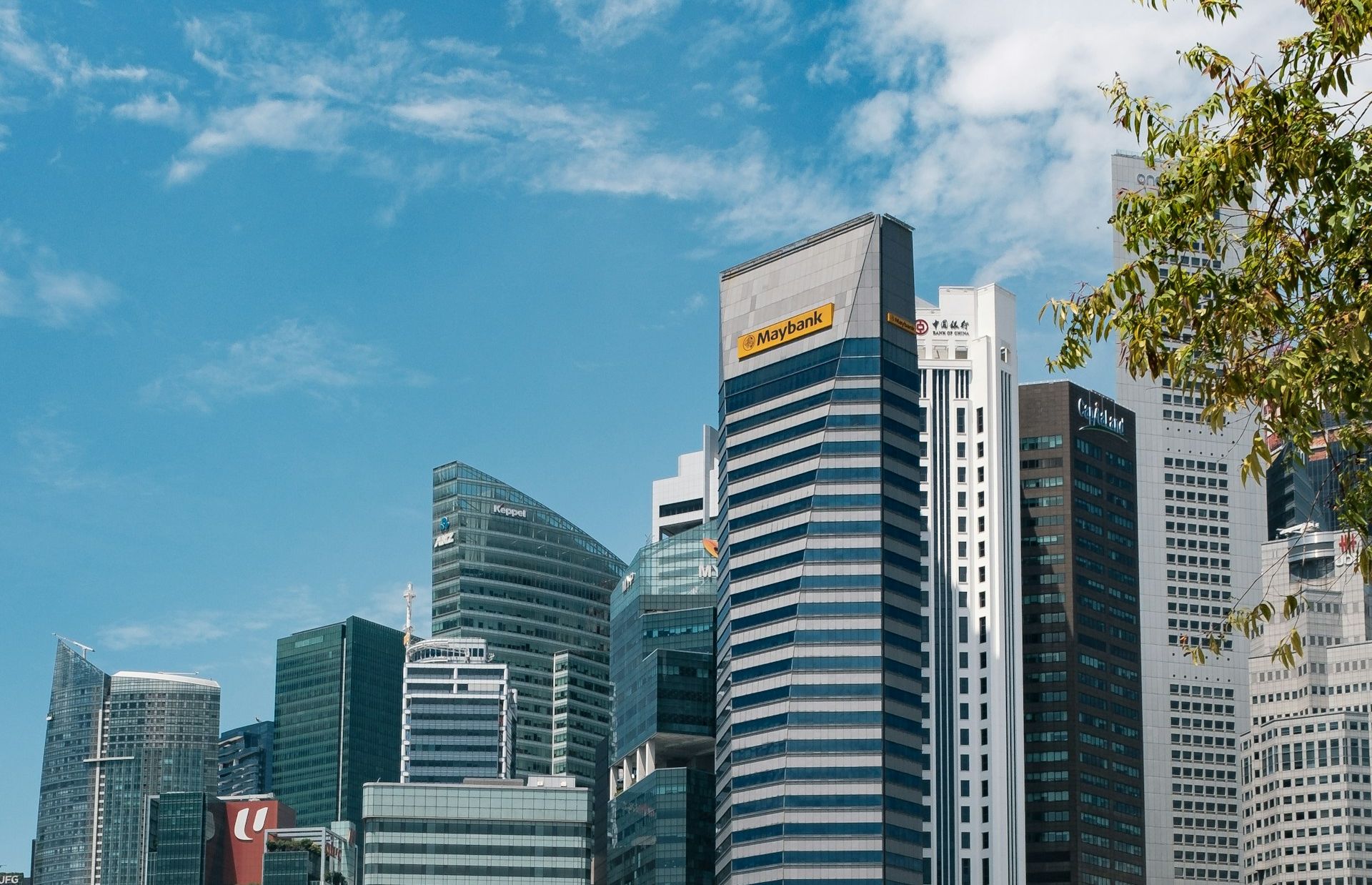
Singapore is a small country with an unusually large role in global commerce. It imports much of what it consumes, it exports high-value goods and services, and it depends on smooth connections to the rest of the world for growth. In an economy built this way, the finance sector is not a side industry that merely supports other sectors. It is one of the main systems that makes the entire model workable. Finance turns trade into cash flow, transforms savings into investment, and helps businesses and households manage risk. When those functions are reliable and sophisticated, the economy can expand with confidence. When they are weak, growth becomes more fragile, more expensive, and more vulnerable to external shocks.
At its most basic level, the finance sector matters because it provides the tools that keep economic activity moving every day. Businesses need working capital to purchase inventory, pay suppliers, and cover operating costs while waiting for customers to pay. Exporters and importers need trade financing to bridge the gap between shipping goods and receiving payment. Companies with long project timelines need structured financing that matches the timing of future revenue. A strong financial system supplies these forms of funding efficiently, and that efficiency affects how competitive Singapore can be. When financing is dependable, firms can scale faster, invest earlier, and price their products more competitively. In a hub economy where timing and reliability are everything, the ability to move money quickly and safely is a strategic advantage.
Singapore’s position as a trade and logistics hub makes this especially important. Many supply chains run through the city because it is predictable, well-connected, and trusted. Yet supply chains are not only about containers and cargo flights. They are also about invoices, letters of credit, insurance coverage, currency conversions, and credit risk assessments. Financial institutions provide the invisible rails that allow global trade to happen with lower friction. A trader moving commodities through Singapore, a manufacturer financing inputs for production, and a shipping firm insuring cargo against loss all rely on a mature financial ecosystem. These services do not simply follow trade, they help enable trade to expand by reducing uncertainty and turning complex transactions into routine processes.
The finance sector also strengthens Singapore’s role as a regional headquarters location. Multinational companies do not choose regional bases based only on tax and infrastructure. They also look for places where treasury operations can function smoothly, where banking relationships are deep, where cash management is efficient, and where funding options remain available in different market conditions. If a company can manage liquidity, hedge currency exposure, and raise financing from a stable platform, it is more likely to place decision-making and higher-value functions there. That creates spillover benefits for the broader economy, including demand for legal services, accounting, compliance, technology, and professional advisory work.
Beyond the day-to-day functions, the finance sector matters because it shapes economic stability. Singapore is deeply exposed to global cycles because it is open to trade and capital flows. When the external environment changes, whether through recessions, financial crises, or shifts in investor sentiment, the shock can reach domestic firms quickly. A resilient financial system reduces the risk that external volatility turns into domestic disruption. Healthy banks with strong risk management are better able to continue lending during downturns. Deep capital markets provide alternatives when certain funding channels tighten. Insurance and hedging markets allow companies to manage uncertainty rather than absorb losses directly. Stability is not the absence of stress, it is the ability to withstand stress without forcing the real economy into unnecessary damage.
Singapore’s policy framework also relies on a credible and well-functioning financial system. Monetary and financial stability are closely linked in an open economy. The credibility of institutions, the predictability of regulation, and the depth of markets all influence how investors view risk. When a country is trusted, its currency tends to behave more orderly, its borrowing costs remain more manageable, and its financial system attracts long-term participation rather than speculative attention. This credibility is valuable not only during calm periods but also during moments of uncertainty, when businesses and households care most about stability. In a sense, the finance sector helps transform institutional trust into practical economic resilience.
The finance sector is also important because it is a significant contributor to national output and employment. Financial services generate high-value activity, and they tend to create roles that require specialized skills, from risk management and compliance to analytics and technology. These jobs often support productivity growth because they demand continuous learning and adaptation. When an economy has a strong base of such roles, it can raise the overall skill level of its workforce and support higher wages across related industries. The benefits extend beyond the sector itself, because a thriving financial ecosystem creates demand for talent in adjacent fields such as cybersecurity, software development, data engineering, and regulatory advisory services.
Another reason the finance sector is central to Singapore’s economy is its role in attracting and managing global capital. As a financial hub, Singapore provides a platform for fund management, private banking, corporate finance, and cross-border investment flows. The economic value here is not only in the money that passes through the system, but in the expertise and decision-making that happens locally. When investment strategies are designed, portfolios are managed, risks are assessed, and products are structured in Singapore, these activities create value-added services that remain in the domestic economy. The result is an ecosystem in which capital, talent, and institutions reinforce one another, strengthening Singapore’s place in global networks.
This capital hub role also supports entrepreneurship and innovation. Startups and growing companies need access to funding, not only through traditional bank loans but also through venture capital, private equity, and capital markets. A developed financial sector increases the variety of funding sources and the sophistication of deal structures. That matters because different businesses have different cash flow patterns and risk profiles. A young technology company may not be suited for conventional debt financing, while a mature firm may benefit from bonds or structured loans. When the financial system offers multiple pathways, the economy becomes more dynamic, as firms can pursue growth strategies that match their stage of development.
Financial infrastructure also supports the everyday lives of households, which in turn affects consumer confidence and social stability. Mortgages, insurance products, retirement planning tools, and payment systems shape how families manage long-term financial goals. When financial services are reliable and widely accessible, households can make decisions with greater certainty, whether that means buying a home, saving for education, or protecting against unexpected risks. Modern economies depend on trust in financial institutions, and that trust is built through regulation, transparency, and consistent enforcement. In Singapore, where social stability and long-term planning are major priorities, the household dimension of finance has real macroeconomic significance.
Technology has expanded the sector’s importance even further. Payments innovation, digital banking, and financial technology services are not only conveniences for consumers. They are productivity tools that can reduce transaction costs, speed up commerce, and improve access to financial services. When payments are efficient and secure, businesses can collect revenue faster, manage cash flow better, and reduce administrative burden. When credit assessments become more data-driven, some borrowers can gain access to financing that was previously harder to obtain. Singapore’s wider economic ambition to remain competitive in high-value services aligns with a finance sector that integrates technology, security, and regulatory discipline.
Still, the finance sector’s importance comes with responsibility. Because finance is built on trust, any damage to credibility can have outsized consequences. Risks like fraud, weak compliance, or poor governance can harm reputation and reduce investor confidence. This is why regulatory strength is not merely a constraint on growth. It is part of the competitive advantage. Global investors and multinational firms choose financial hubs where rules are clear and enforced consistently, where disputes are handled predictably, and where systemic risks are managed proactively. A well-regulated financial sector attracts the kind of long-term capital that supports sustainable growth rather than short-term volatility.
There is also a need for balance. A thriving finance sector can raise wages and create prosperity, but it can also intensify competition for talent and increase costs in certain parts of the economy. If finance draws too much talent away from other productive industries, the economy may lose diversity in its growth engines. If financial activity becomes too detached from the real economy, the benefits may feel concentrated rather than broadly shared. The goal is not to make finance larger for its own sake, but to ensure that finance remains a platform that helps the wider economy function, invest, innovate, and stay resilient.
In the end, the finance sector is important for Singapore’s economy because it helps an open, trade-dependent country operate with stability and sophistication. It keeps commerce moving by providing funding, it supports competitiveness by reducing friction in trade and investment, and it reinforces resilience by managing risk and maintaining confidence during volatile periods. It contributes directly to output and employment, and it strengthens Singapore’s global position by anchoring regional capital flows and high-value decision-making. In a world where uncertainty is constant and competition among hubs is intense, a strong financial sector is not just a growth driver. It is part of the country’s economic identity and one of the clearest reasons Singapore can consistently punch above its weight.
 WhatsApp
 Instagram
 Threads