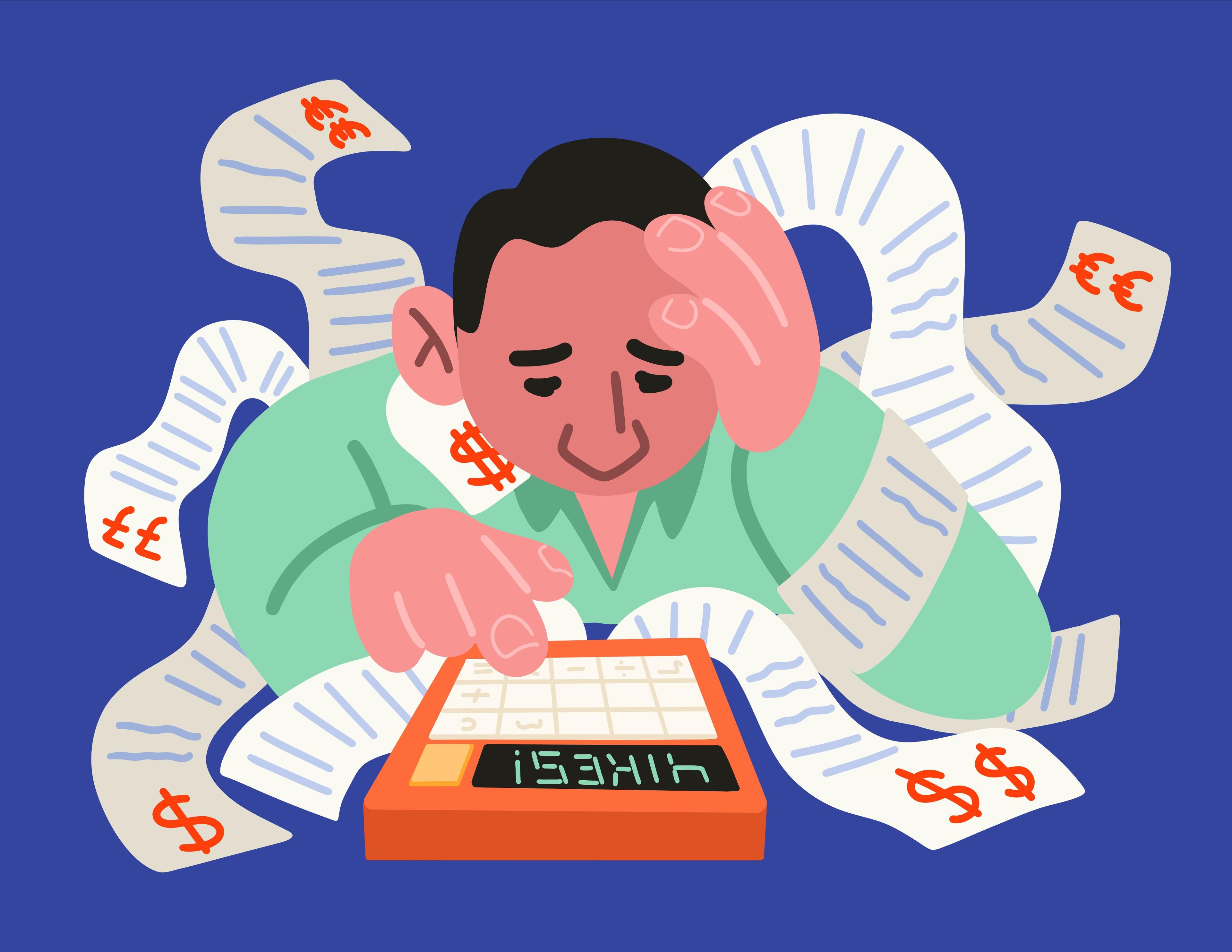
Employees often assume that aiming for a promotion is mainly about working harder, staying visible, and proving loyalty over time. In reality, promotions are usually decisions about risk, scope, and trust. A company is not only rewarding past performance. It is deciding whether it is safe to expand an employee’s responsibilities without creating problems for the team, the workflow, or the wider organization. This is why many promotion attempts fail even when the employee is talented and hardworking. The problem is not effort. The problem is the wrong signals.
One of the most common mistakes is treating a promotion like a title upgrade rather than a role upgrade. Many employees campaign for a new title while still working within the same narrow scope they have always handled. They wait for the promotion before they begin acting like the next level. Most organizations prefer the opposite. They want to see evidence that an employee can already manage broader responsibility before granting the official change. When an employee only performs at the current level and asks leadership to imagine them at the next one, it creates uncertainty. Managers are rarely comfortable making decisions based on hope.
Another frequent error is confusing activity with impact. Employees may point to how many tasks they completed, how late they worked, or how responsive they were. While these traits are appreciated, they do not automatically translate into business value. Promotions are usually tied to results that matter to the organization, such as improving efficiency, reducing risk, strengthening customer outcomes, stabilizing delivery timelines, protecting revenue, or solving recurring problems. If an employee cannot connect their work to outcomes that leadership can justify, their promotion case becomes weak. Hard work is often assumed. What matters is whether that work moves the organization forward in meaningful ways.
A related mistake is focusing too much on visibility in the wrong way. Some employees hear advice about being seen, and they interpret it as speaking more in meetings, placing themselves in high-profile discussions, or making sure leaders notice them. Visibility matters, but only when it is built on credible contribution. When visibility is driven by performance rather than substance, it can backfire. Leaders tend to notice who consistently delivers, who resolves uncertainty, and who makes complex work easier for others. Employees who chase attention without strong execution risk being viewed as distracting rather than promotable.
Many employees also underestimate the importance of leverage. Doing your job well is essential, but promotions often require proof that you can create impact beyond your personal output. At higher levels, the organization looks for employees who improve systems, reduce friction, and enable others to succeed. Employees who remain focused only on their own tasks, even when they do them exceptionally well, may struggle to show they can operate at a broader level. In some cases, being highly competent in a narrow role can even slow promotion because the company fears losing a key contributor. This becomes more likely when the employee has not developed a successor or made their work transferable.
This is why another common mistake is failing to document processes and share knowledge. Employees who hoard information or keep decisions trapped in their own inbox may look productive, but they also look risky. If the organization cannot function smoothly without them, leadership may see them as difficult to scale. Promotions involve expanding responsibility, and that requires the ability to build stable workflows that do not depend solely on one person’s memory or constant intervention. Employees aiming for promotion should prove they can create clarity, repeatability, and resilience, not dependency.
Another major issue is misunderstanding how promotion decisions are made. Many employees assume their direct manager is the only decision maker. In many organizations, promotions are shaped by broader stakeholder feedback, including cross-functional partners, internal clients, and senior leaders who observe how work affects multiple teams. An employee can have a strong reputation with their manager but still face resistance if other teams find them unreliable, uncooperative, or difficult to work with. These unspoken veto points can quietly block promotion progress. On the other hand, employees who invest in trust, collaboration, and predictable delivery across teams often build a stronger foundation for advancement.
Managing up is also frequently misunderstood. Some employees avoid it because they associate it with self-promotion, while others treat it as constant lobbying. In reality, managing up is about making leadership’s job easier. Managers support promotion candidates who reduce surprises, flag risks early, provide clear updates, and communicate tradeoffs with maturity. If an employee repeatedly escalates late, provides vague progress reports, or creates last-minute crises, they increase management load. When leaders think about promotions, they often evaluate whether expanding that person’s scope will reduce or increase future stress for the organization. People who create stability gain trust faster.
Employees also make the mistake of relying on general impressions rather than concrete evidence. Many believe leaders will naturally recognize their contributions, but promotion discussions often require specific examples. These can include measurable results, projects delivered with high reliability, problems solved in ways that improved performance long term, or instances where the employee demonstrated judgment under pressure. If employees cannot clearly articulate what changed because of their work, they force decision makers to guess. Most leaders will not take that gamble, especially when promotions must be justified internally.
Another pattern that harms promotion chances is seeking feedback too late. Some employees only ask what they need to improve after they have already decided they should be promoted. Promotions, however, are usually built over time. They depend on consistent performance signals and long-term trust. Waiting until the final stage to request guidance makes it harder to correct weaknesses or shift how leaders perceive readiness. Employees who treat feedback as a continuous process, rather than a one-time conversation, are more likely to close gaps early and build a stronger case.
Behavior also plays a larger role than many employees realize. As responsibility grows, leaders watch for emotional control, accountability, and the ability to navigate conflict without damaging relationships. Employees may assume technical skill is enough, but at higher levels, behavior affects broader teams. Patterns such as blaming others, acting entitled, undermining peers, or reacting poorly under stress create risk. Even if these behaviors seem minor, repetition builds a reputation that can block advancement. Promotions rarely go to employees who might destabilize a team once they gain influence.
Timing and business context can also be overlooked. Promotions are not only about individual readiness. They are influenced by budget cycles, restructuring, shifting strategy, and leadership priorities. Employees sometimes interpret a delayed promotion as a personal failure when it may be tied to organizational constraints. However, the bigger mistake is ignoring those realities when building a promotion case. A strong candidate frames their value around what the organization needs at that moment. During tight budgets, cost control and efficiency may matter more. During expansion, delivery speed and leadership capacity may matter more. Aligning your contribution with current business needs makes a promotion case more persuasive.
Another mistake is over-investing in external credentials while under-investing in internal credibility. Certifications and courses can be useful, but they do not replace proven performance in the organization’s environment. Leaders want to see how an employee handles real constraints, real stakeholders, and real risk. External learning becomes valuable only when it leads to better execution, stronger judgment, or improved outcomes internally. Employees who build their case mainly on training, rather than on what they have delivered, may be viewed as promising but unproven.
Ultimately, one of the biggest mistakes employees make is treating promotion conversations like negotiations based on entitlement. Statements like “I deserve this because I worked hard” or threats like “If I don’t get promoted, I’ll leave” can shift the tone in an unhelpful direction. Promotions are not concessions. They are investments. The best approach is to reduce leadership’s uncertainty by demonstrating that you are already operating at the next level, that stakeholders trust you, that your manager can rely on you without constant oversight, and that your expanded scope will improve performance rather than create disruption.
In the end, promotion efforts often fail not because employees lack ability, but because they misunderstand what promotions represent. Organizations promote employees when they can clearly see scalable judgment, consistent impact, and reduced risk. Employees aiming for advancement must focus less on proving effort and more on proving readiness, credibility, and leverage. When those signals are clear, promotion becomes less of a request and more of a logical next step.
 WhatsApp
 Instagram
 Threads