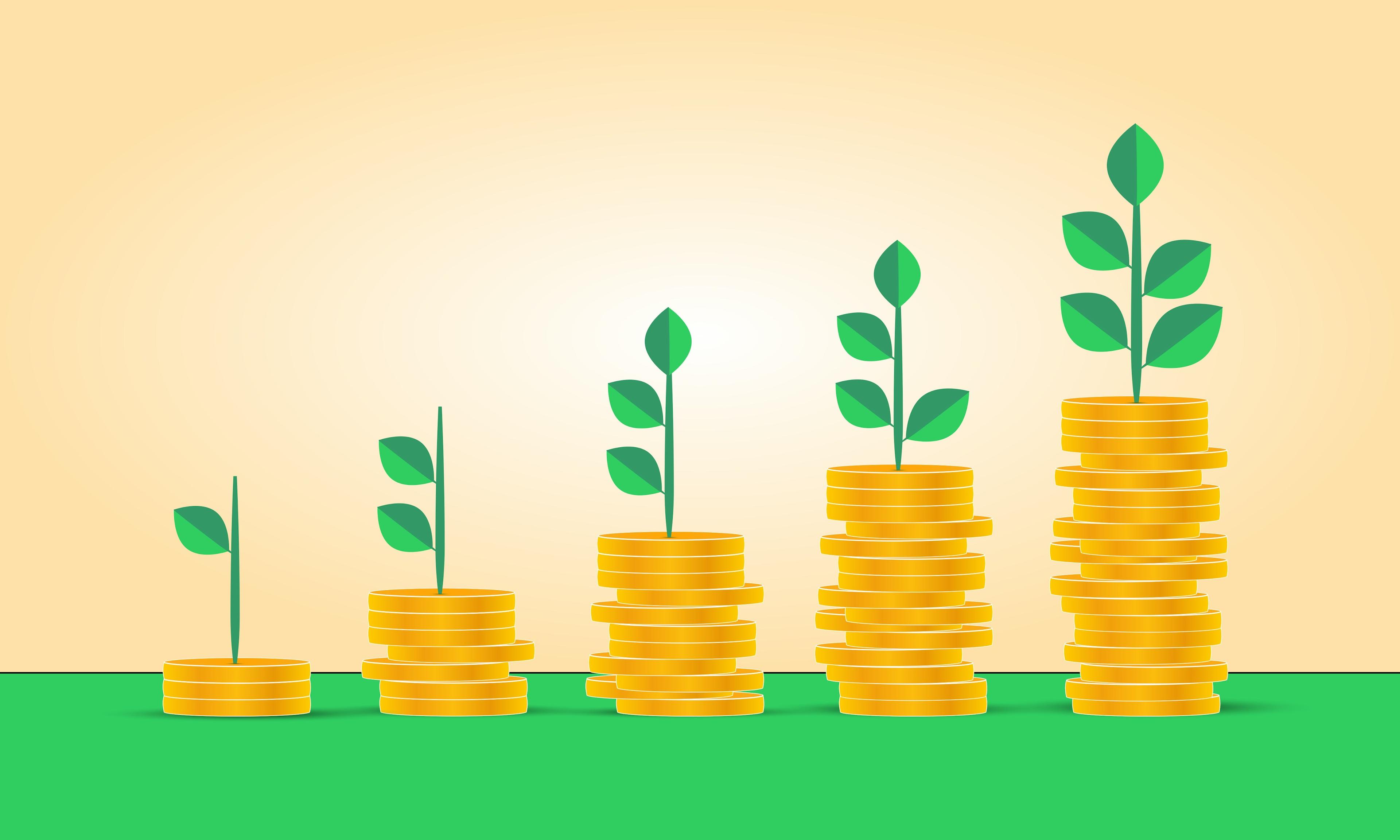
People often ask how money grows through investing as if the answer is a hidden formula, something only insiders know. In reality, the idea is straightforward, even if the experience can feel confusing at first. Money grows through investing when you put it to work in assets that can produce profits, generate income, or become more valuable over time. That growth does not appear out of thin air. It comes from real economic activity, like companies selling products and expanding, borrowers paying interest, or properties producing rent. What makes investing powerful is not a single lucky pick. It is the combination of time, reinvestment, and a structure that lets you stay in the game long enough for compounding to do its job.
To understand what is happening when investments grow, it helps to separate the mechanics from the emotions. Mechanically, investment returns usually come from three places. The first is appreciation, which is when an asset increases in price. If you buy shares of a business and that business becomes more profitable or more valuable in the eyes of the market, the price of the shares can rise. The second is income, which includes dividends from stocks, interest from bonds, or rental income from property. The third is valuation change, which is when investors are willing to pay more for the same earnings or cash flow than they were before. These sources often overlap. A company might grow profits, pay dividends, and also experience a shift in how the market values its future. But when you step back, the most durable growth tends to come from the underlying productivity of the asset, not from people simply bidding prices higher.
The heart of long term investing is compounding. Compounding is often explained as interest earning interest, but in investing it is broader than that. It is the process of gains building on previous gains because you reinvest and keep your money invested. If you invest a sum of money and it grows, the growth becomes part of the base that can grow in the next period. Over time, the difference between linear progress and compounding progress becomes significant. Early on, this can be hard to feel because growth may look modest. Later, when your invested base is larger, even normal market returns can translate into meaningful increases in actual dollar terms. This is why time is a serious factor in investment success. It gives compounding more opportunities to work.
A simple example makes the idea tangible. Suppose you invest 10,000 and earn a 6 percent return in one year. You now have 10,600. If you earn 6 percent again, you are no longer earning on 10,000 alone. You are earning on 10,600, and you end up with 11,236. At first, the increase feels small. But as years pass, the compounding effect accelerates because the returns are being applied to a growing base. The lesson is not that you must chase a certain percentage return. The lesson is that the same return can create very different outcomes depending on how long you allow it to compound and how consistently you stay invested.
This brings us to the part people often underestimate: compounding is as much about behavior as it is about mathematics. Compounding only works when you give it continuity. If you invest, then panic sell at the first major dip, you interrupt the compounding engine. If you constantly jump between investments because you feel you are missing out, you create friction and often increase costs, which can drag on long term results. The market can be volatile, and it will not reward patience in a neat, predictable schedule. The investor who benefits from compounding is not necessarily the one with the best short term instincts. It is the one who can follow a plan through both calm periods and uncomfortable ones.
It also helps to be clear about why investing often outpaces saving, while acknowledging that this is not guaranteed in every year. Cash savings matter. They protect you from emergencies, give you flexibility, and help you avoid selling investments at a bad time. But cash has a quiet weakness: inflation. When prices rise, a ringgit or a dollar buys less than it did before. If your money sits in cash earning little, your purchasing power can gradually erode. Investing is one way to try to stay ahead of inflation over the long run. Still, investing is not a smooth ride. There will be years when markets fall and cash looks better, and there will be periods when certain asset classes disappoint. A healthy investing mindset focuses on reaching future goals with an acceptable level of risk, not on winning every year.
Risk is unavoidable because it is the reason returns exist in the first place. If an outcome were guaranteed, there would be little reason for anyone to pay you for taking the journey. When you invest in shares, you face the risk that a company’s profits decline, competition intensifies, or the economy slows. When you buy bonds, you face interest rate risk and credit risk. When you invest in property, you face market cycles, tenant risk, and the reality that property is not always easy to sell quickly. In exchange for taking these risks, investors have historically earned returns over long horizons, especially in diversified portfolios of productive assets. The key is not to eliminate risk but to choose risks you can afford and understand.
One of the most practical ways to think about risk is to tie it to time. If you need money soon, your tolerance for volatility is naturally lower because you have less time to recover from a decline. If you need money in two years for a home down payment, a significant market drop could derail that plan. In that case, the goal is stability and certainty, not maximum return. If you are investing for retirement that is decades away, short term declines are still unpleasant, but they are less threatening because your timeline gives you room. Time does not erase risk, but it changes what risk means. A 20 percent drop is devastating when you need the money next month. It is often manageable when you have 20 years to go and a plan built for long term growth.
Reinvestment is another engine that quietly transforms investing outcomes. Many investments pay income along the way, and that income can either be spent or reinvested. When dividends are reinvested, they buy additional shares. Those new shares can then produce dividends of their own, which can be reinvested again. The same principle applies to bond interest if you reinvest it into your portfolio. This is why two investors can own the same asset and experience different long term outcomes. The investor who consistently reinvests, especially in early years, is often building a larger ownership base over time. It is not dramatic, but it is powerful.
This is also where costs and taxes become important. When people think about investment returns, they often focus on what the market might deliver. But what matters to you is what you keep after fees, taxes, and unnecessary transactions. A portfolio that compounds well is one that avoids unnecessary leakage. High fees may not feel significant in a single year, but over a decade or two, they can meaningfully reduce the amount that remains invested and compounding. Frequent trading can create costs and sometimes tax consequences, depending on your jurisdiction. You do not need a perfect strategy to benefit from investing. You need a strategy that reduces friction and stays consistent.
Another concept that can make investing feel less intimidating is the idea of spreading your investing over time. Many people worry about investing at the wrong moment, as if a single entry point determines everything. In reality, most investors build wealth gradually through regular contributions. Investing monthly or quarterly means you naturally buy at different prices. When markets are higher, your contributions buy slightly fewer units. When markets are lower, your contributions buy more. Over time, this can smooth your average purchase price and reduce the emotional pressure of trying to “time” the perfect moment. Regular investing cannot prevent losses, but it can reduce the risk of making one big decision at one vulnerable moment.
Starting earlier also matters more than many people expect. A larger starting amount helps, but time is often the stronger lever. More years invested means more compounding periods and more opportunities for reinvested income to build. It also means you will inevitably invest through different market environments. That includes downturns, which are uncomfortable but also part of how long term investors accumulate assets at better valuations. When you invest consistently through different cycles, you give yourself a better chance of participating in recoveries without having to predict exactly when they will happen.
At the same time, investing can feel slow at the beginning, even when it is working. In early years, much of your progress comes from your contributions, not from investment gains. Your portfolio is still small enough that a normal return does not look like much in absolute dollars. This is the quiet phase where many people get discouraged. They assume investing is not worth it because the results are not immediate. But compounding tends to become more visible later, when the base is larger and the returns have more material impact. If you keep investing consistently, there is often a point where the growth starts to feel more noticeable, not because the market suddenly changed, but because your invested base finally reached a size where normal growth has a bigger effect.
It is also worth addressing why investing can feel emotionally difficult even when the plan is sound. Markets report their opinions daily through prices. That constant feedback can make you feel like you must act, even when the best action is often to do nothing. In reality, long term investing is not a daily activity. It is a long relationship with uncertainty. The goal is not to avoid every downturn. The goal is to build a portfolio and a process that can survive downturns without forcing you into decisions that harm your future. One practical approach is to review your portfolio on a schedule, rather than reacting to headlines. A planned review, perhaps once or twice a year, helps you stay intentional. It keeps your strategy connected to your goals, not to the mood of the market.
When you bring all these ideas together, investing becomes less about trying to be clever and more about designing a plan you can live with. A workable plan starts with clarity. What is the money for? When will you need it? How much uncertainty can you tolerate without abandoning the plan? These questions sound simple, but they are foundational. If your purpose is retirement decades away, you might accept a higher allocation to growth assets because you have time to ride out volatility. If your purpose is a major purchase in a few years, you may prioritize stability. If you have a mix of goals, your money might be better separated into buckets, with different risk levels aligned to different timelines.
A good plan also respects the role of cash. Investing is not a replacement for cash savings. Cash is what protects your investing plan. An emergency fund can prevent you from selling investments at the worst possible time because you suddenly need liquidity. When people say investing is risky, what they often mean is that they cannot control when markets decline. Cash gives you control over your near term needs. Investing gives you a chance to grow long term purchasing power. Both have a role, and they work best together.
Ultimately, money grows through investing when you consistently own assets that have the capacity to produce value over time, and you allow that value to accumulate through reinvestment and compounding. The process is not always comfortable, and it will not always look impressive in the short term. But the logic is durable. Productive assets tend to generate earnings and cash flow. Investors who own those assets, reinvest what they receive, keep costs reasonable, and stay invested through cycles give themselves the best chance of long term growth. If you want a simple guiding question to return to whenever investing feels noisy, it is this: what does this money need to do for me, and when? When your investments are aligned to that answer, growth becomes less like a mystery and more like a process you can trust.
 WhatsApp
 Instagram
 Threads