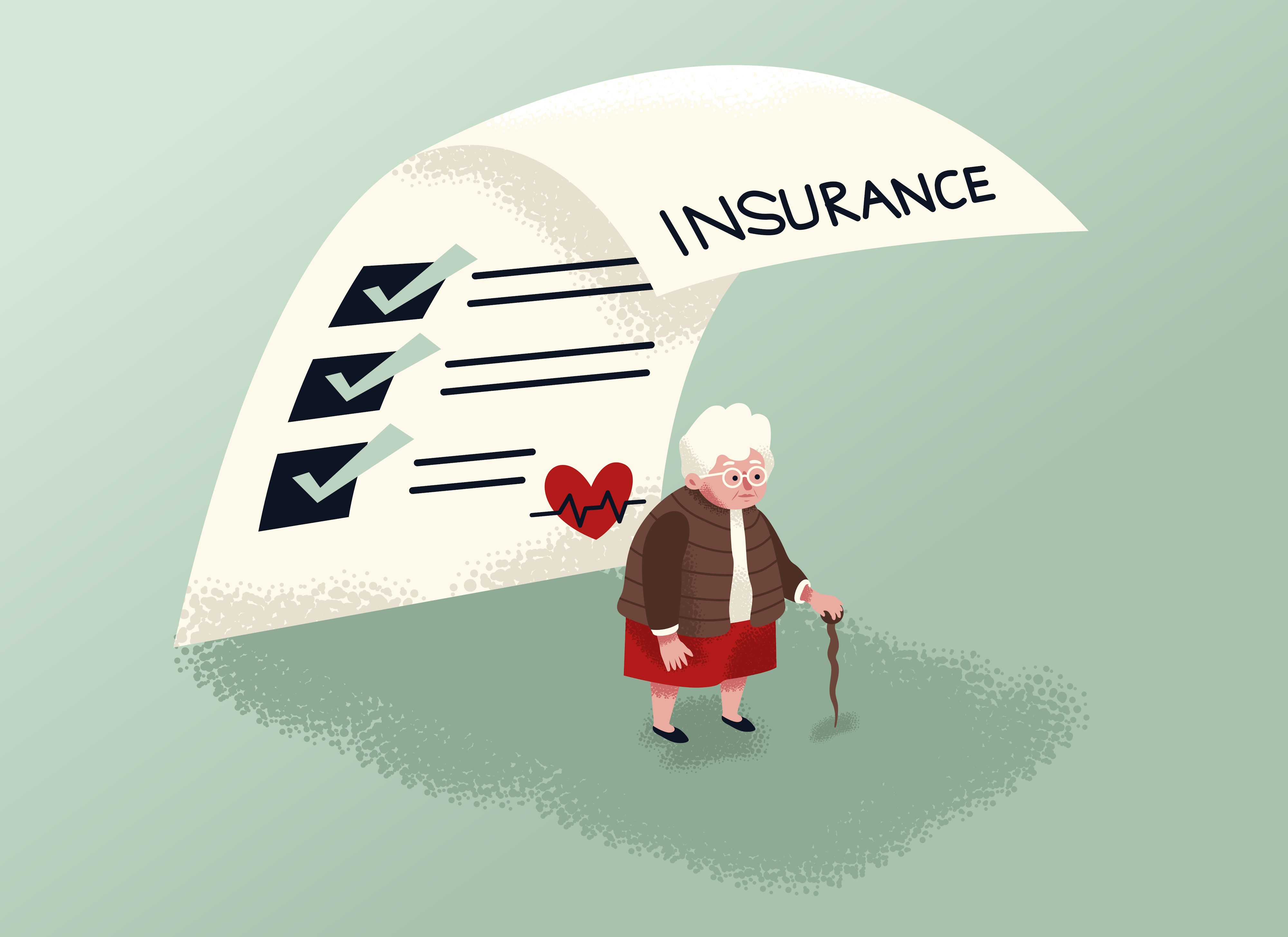
The NHS is woven into everyday life in the UK. It represents the belief that healthcare should be available to everyone, funded collectively, and free when you need it. Because of that, the idea of paying for private health insurance can seem unnecessary at first glance. If you can see a doctor, receive treatment, and go home without being handed a bill, why would anyone choose to spend extra money on cover that appears to duplicate what already exists?
The simplest answer is that free does not always mean fast, flexible, or predictable. The NHS is designed to deliver care fairly across an entire population, which means resources have to be allocated by medical priority. In emergencies and life-threatening situations, the system is built to respond quickly, and for complex conditions it remains the central provider. Yet for many health problems that sit in the grey area between urgent and minor, the experience can involve waiting, multiple steps, and uncertainty. Private insurance becomes appealing not because people want to abandon the NHS, but because they want a different experience for specific kinds of care, especially when delays start to interfere with daily life.
Most people who have private cover still use the NHS in many ways. They rely on NHS GPs, they go to A&E when needed, and they trust NHS services for major and complex care. Private insurance is usually not a full replacement, but an added option. It offers access to a parallel lane for consultations, tests, and planned treatments. The emphasis is often on elective pathways, the kinds of issues that might not be dangerous today but still reduce mobility, cause pain, or create persistent worry. When a problem becomes the backdrop of every day, waiting is not just inconvenient. It becomes a drain on work, family life, sleep, and mental wellbeing.
This is why speed is one of the biggest reasons people choose private insurance. Many health concerns require a specialist opinion or a diagnostic test before a clear plan can be made. If those steps take longer than expected, the uncertainty can feel worse than the condition itself. Private routes can sometimes shorten the time it takes to see a consultant, get a scan, or schedule a procedure. Even when the eventual treatment is similar, the ability to move through the process more quickly has value. It reduces the amount of time spent guessing, worrying, and adjusting your life around symptoms that have no clear end date.
Predictability matters just as much as speed. One of the hardest parts of navigating healthcare is not always the wait itself, but not knowing what the wait will be. When you cannot plan because you do not have a clear timeline, everything else becomes harder. Work commitments, childcare, travel plans, and even basic routines can be disrupted by last-minute appointment changes or long gaps between stages of care. Private providers often appear more schedulable. People are able to book an appointment sooner, pick a time that fits their life, and feel that there is a clearer path from the first consultation to a plan of action. That sense of control can make private cover feel like a practical decision rather than a luxury.
Choice is another reason people pay for private insurance. The NHS prioritises efficient delivery and clinical need, not consumer preference. Many patients are satisfied with that approach, but others want more say in where they receive treatment, who they see, and what their environment looks like during recovery. Private healthcare can offer more options on these points, particularly for planned procedures. It may also provide comforts such as private rooms and quieter settings, which do not necessarily change medical outcomes but can change how a person experiences treatment. For someone who is already anxious about being unwell, that can be meaningful.
Employer benefits also shape the market far more than people realise. A large share of private health insurance in the UK is not purchased directly by individuals, but provided through workplaces. When the premium is covered fully or partially by an employer, the decision changes. Instead of weighing a monthly cost against uncertain personal use, people often see it as an extra layer of protection that is already available. They accept the benefit because it gives them a backup option if they face delays or want faster access to diagnostics. In many industries, private medical insurance has become part of how companies attract and keep staff, especially when employees are increasingly aware of waiting times and pressures within public services.
Having cover can also change behaviour. If a policy includes services like virtual GP appointments or clear referral pathways, it can feel easier to start the process of seeking care. People may choose the path that requires fewer steps, less time on the phone, and less administrative friction. In that sense, insurance is not just paying for treatment. It is paying for a smoother route into the system. Convenience may not sound like a serious reason on paper, but for someone balancing work deadlines, family responsibilities, and health concerns, it can be the difference between taking action and putting things off.
However, private insurance in the UK is not unlimited healthcare on demand. That is where many misunderstandings appear. Private hospitals are not typically set up for major emergencies or the most complex care. In serious situations, the NHS remains the foundation. Even in elective care, private providers may have limits, and complications can lead patients back into NHS pathways. Private cover is best understood as a way to access selected services and reduce waiting for certain treatments, not as a complete alternative system.
There are also important limitations inside most policies. Exclusions around pre-existing conditions are common, especially in lower-cost plans. People often discover that the very issue motivating them to buy cover is not fully included. Chronic conditions and long-term maintenance care are also frequently excluded or restricted, because many policies are designed around acute episodes rather than ongoing support. Approval processes can add another layer, with insurers requiring authorisation and directing patients to specific networks of providers. These details matter, because they affect whether the policy delivers the experience a person expects.
Despite these limits, many people still see value in private cover because it addresses what feels like the real cost of delayed care. In the UK, the cost is often not a bill but the impact on life. For someone self-employed, a health issue that reduces their ability to work can quickly translate into lost income. For a parent, pain and reduced mobility can affect childcare and household responsibilities. For an employee with limited flexibility, frequent appointments or uncertainty can create stress about attendance and performance. In these circumstances, paying for faster access can be a form of risk management. It is a way to protect time, stability, and earning ability.
There is also the emotional dimension. Waiting for an answer can be deeply stressful, especially when symptoms are persistent or unfamiliar. Even if a diagnosis turns out to be reassuring, the period of not knowing can weigh heavily. Private routes can shorten that period by allowing quicker assessments and tests. Many people are not paying because they believe the NHS cannot treat them. They are paying because they want clarity sooner and because uncertainty can be exhausting.
This is why it helps to frame private insurance as a practical tradeoff rather than a statement about values. The NHS remains central to UK healthcare, and most people who use private services still support and rely on it. Private insurance is often a way to reduce friction in specific bottlenecks, especially elective care, diagnostics, and planned procedures. The value depends on personal circumstances. Someone with flexible work and no pressing need for speed may find the NHS more than sufficient. Someone with high responsibilities, limited flexibility, or a strong need for certainty may find that private cover offers peace of mind and practical advantages.
In the end, people buy health insurance in the UK when the NHS is free because the NHS being free describes the price at the point of use, not the full experience of access. Private cover offers a different route for certain types of care, often with faster timelines, more flexibility, and more predictable scheduling. It does not replace the NHS, and it comes with restrictions that should be understood clearly. Yet for many people, the ability to reduce waiting, avoid prolonged uncertainty, and regain control over their time and health is worth paying for, even in a system where treatment itself is not billed in the traditional sense.
 WhatsApp
 Instagram
 Threads