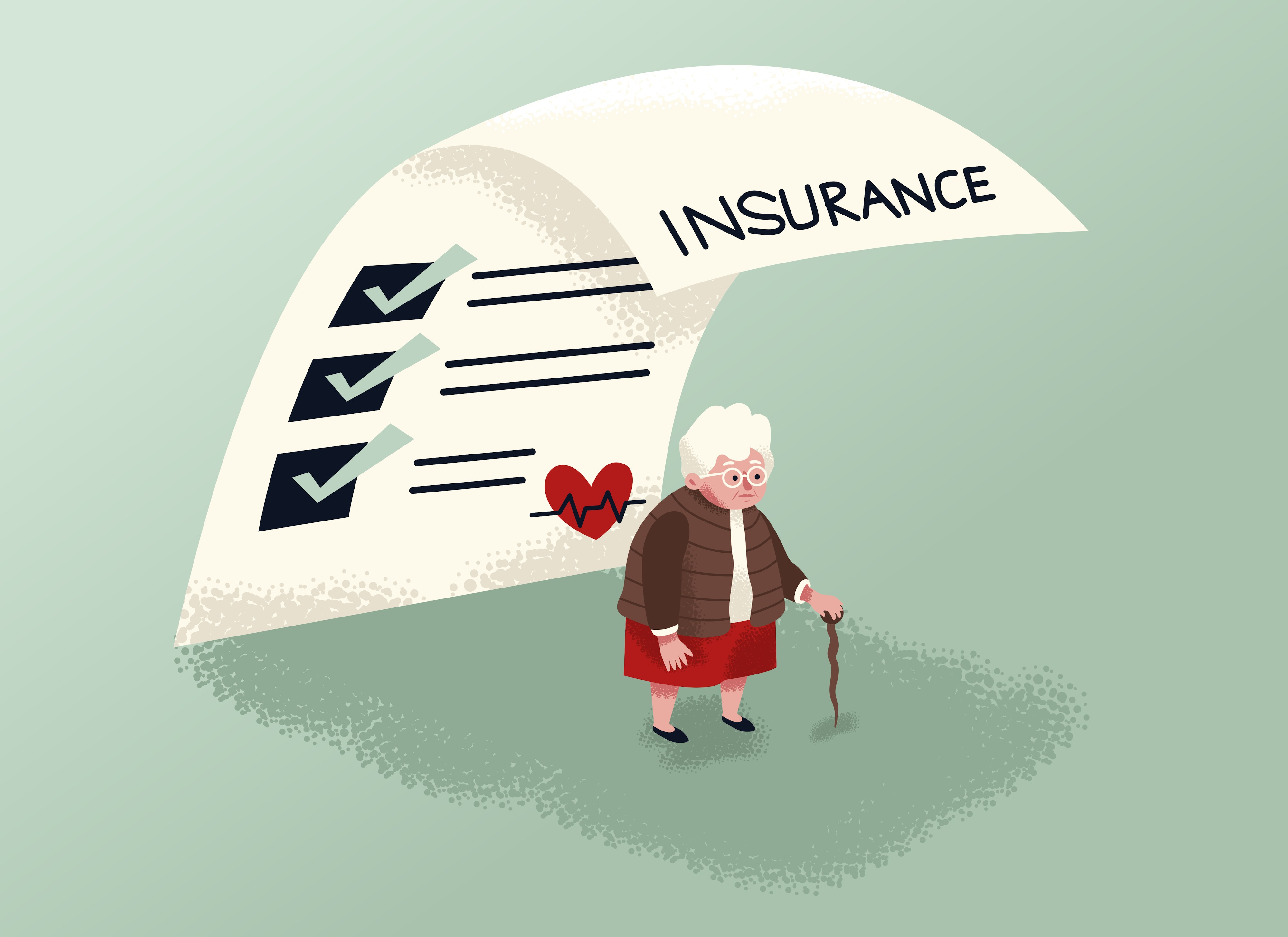
Health insurance can feel like one of those expenses that sits quietly in the background, especially when you are healthy and rarely visit a clinic. It is easy to look at monthly premiums and wonder if the money could be better used elsewhere. Yet the true value of health insurance usually becomes clear in the exact moments no one plans for. It is not simply a way to get cheaper doctor visits. At its core, health insurance is a financial safety net that turns unpredictable medical costs into something you can plan around, helping protect your savings, your income stability, and your long-term goals.
One of the most important benefits of having health insurance is the protection it offers against extreme financial shocks. Healthcare costs are not like regular monthly bills. Many months you may spend nothing at all, but a single accident, infection, or unexpected diagnosis can produce bills that are large enough to wipe out an emergency fund or force you into debt. Insurance exists to reduce that risk. Even though you may still pay deductibles, copayments, and other out-of-pocket costs, coverage usually places limits on how much you are responsible for in a given period for covered services. This is the difference between facing the full price of care alone and having a defined structure that prevents a worst-case medical situation from becoming a long-term financial crisis.
Beyond protecting you from major medical expenses, health insurance can also lower the cost of everyday care. Many people assume insurance only matters once they reach a deductible, but insurers often negotiate rates with doctors, hospitals, and clinics. These negotiated prices can be meaningfully lower than what an uninsured patient might be billed at the standard rate. In practical terms, insurance can act like a pricing advantage. Even when you pay out of pocket for a visit or test, you may still benefit from reduced costs because you are paying according to the insurer’s contracted rates rather than the highest sticker price.
Health insurance also encourages preventive care, which often leads to better health and lower expenses over time. Preventive services such as screenings, annual checkups, vaccines, and early assessments are usually less costly than the care required once a condition becomes severe. When coverage makes preventive care more affordable and accessible, it increases the likelihood that people address health concerns earlier instead of waiting until symptoms become unbearable. From a financial perspective, early action can prevent small issues from turning into complicated, expensive problems. It is not only about saving money. It is also about reducing disruption to your daily life, work responsibilities, and family obligations.
Another major benefit is improved access to a broader range of providers and services. Healthcare can be complicated, and the best outcomes often depend on getting the right care at the right time. Insurance can make it easier to access specialists, diagnostic testing, imaging, hospital services, and follow-up treatment when needed. Without coverage, people may avoid care because the cost feels intimidating or they may rely only on the most basic options available. With insurance, you often have clearer pathways to treatment and more realistic opportunities to choose providers, especially when dealing with serious or ongoing concerns.
This becomes especially important for anyone managing chronic conditions. Many health issues are not one-time emergencies. They require consistent treatment, monitoring, and medication over long periods. Conditions such as asthma, diabetes, high blood pressure, and many mental health challenges can become far more expensive when they are not managed properly. Health insurance helps make ongoing care more affordable and predictable, which supports consistent follow-ups and regular medication use. That consistency matters. When people skip appointments or ration medication due to cost, the risk of complications increases, and those complications are often far more costly than the care that could have prevented them.
Health insurance also plays a significant role in reducing the chance that medical expenses will push you into debt. Large health bills often arrive unexpectedly, and they can create pressure to use credit cards, personal loans, or payment plans that stretch over months or years. Even when insurance does not pay every cent, it often reduces the bill to a level that is less likely to cause lasting financial damage. This helps protect your credit, your ability to qualify for loans, and your overall financial momentum, especially if you are trying to build savings, invest consistently, or work toward a major goal like buying a home.
Mental health support is another benefit that is increasingly important. Counseling, therapy, and psychiatric care can become expensive quickly, and many people delay seeking help because of the cost. When insurance provides coverage for mental health services, it can make treatment more accessible and sustainable. This is not only a health issue. Mental well-being affects productivity, decision-making, relationships, and income stability. If coverage helps someone manage stress, anxiety, depression, or burnout more effectively, it can indirectly protect both their personal and financial life.
In many cases, health insurance also includes additional resources that make healthcare easier to use. Depending on the plan, this may include telehealth options, support hotlines, wellness tools, or programs designed to help people manage chronic conditions. These features can reduce friction and make it easier to handle concerns early. The easier it is to access guidance and basic care, the less likely people are to postpone treatment until problems become severe.
For those with families or financial dependents, health insurance becomes even more valuable because it helps protect household stability. A major health event can cause both direct expenses and indirect costs, such as time away from work or reduced earning ability. While insurance mainly addresses healthcare expenses, limiting those costs can prevent a health crisis from turning into a wider financial breakdown. Even for individuals without dependents, the same principle applies. Financial stability is harder to maintain when medical bills create uncertainty and force sudden changes to budgets and priorities.
Another advantage is that insurance adds structure to billing and payment processes. Healthcare pricing can be confusing, and uninsured patients may find themselves negotiating costs without much clarity on what is fair. Insurance introduces rules, claims processing, and formal systems for handling disputes or unexpected charges. While insurance paperwork can be frustrating, having a framework is often better than facing large, complex bills alone with no clear process for resolution.
Ultimately, one of the most practical benefits of health insurance is that it makes financial planning easier. Predictability is essential for budgeting and long-term wealth building. Insurance helps convert the risk of random medical costs into known categories such as monthly premiums and expected out-of-pocket expenses. When you can estimate your potential exposure, you can build a stronger emergency fund, plan your cash flow more effectively, and make financial decisions with greater confidence.
Health insurance is not a perfect product, and it is not designed to make healthcare free. Deductibles, copays, networks, and coverage limits still matter, and plan quality varies widely. However, the underlying value remains consistent. Health insurance helps prevent one unexpected medical event from permanently changing your financial life. It offers protection, access, and predictability. These benefits matter whether you are trying to get ahead financially or simply trying to avoid being set back by circumstances you cannot control.
 WhatsApp
 Instagram
 Threads






.jpg&w=3840&q=75)