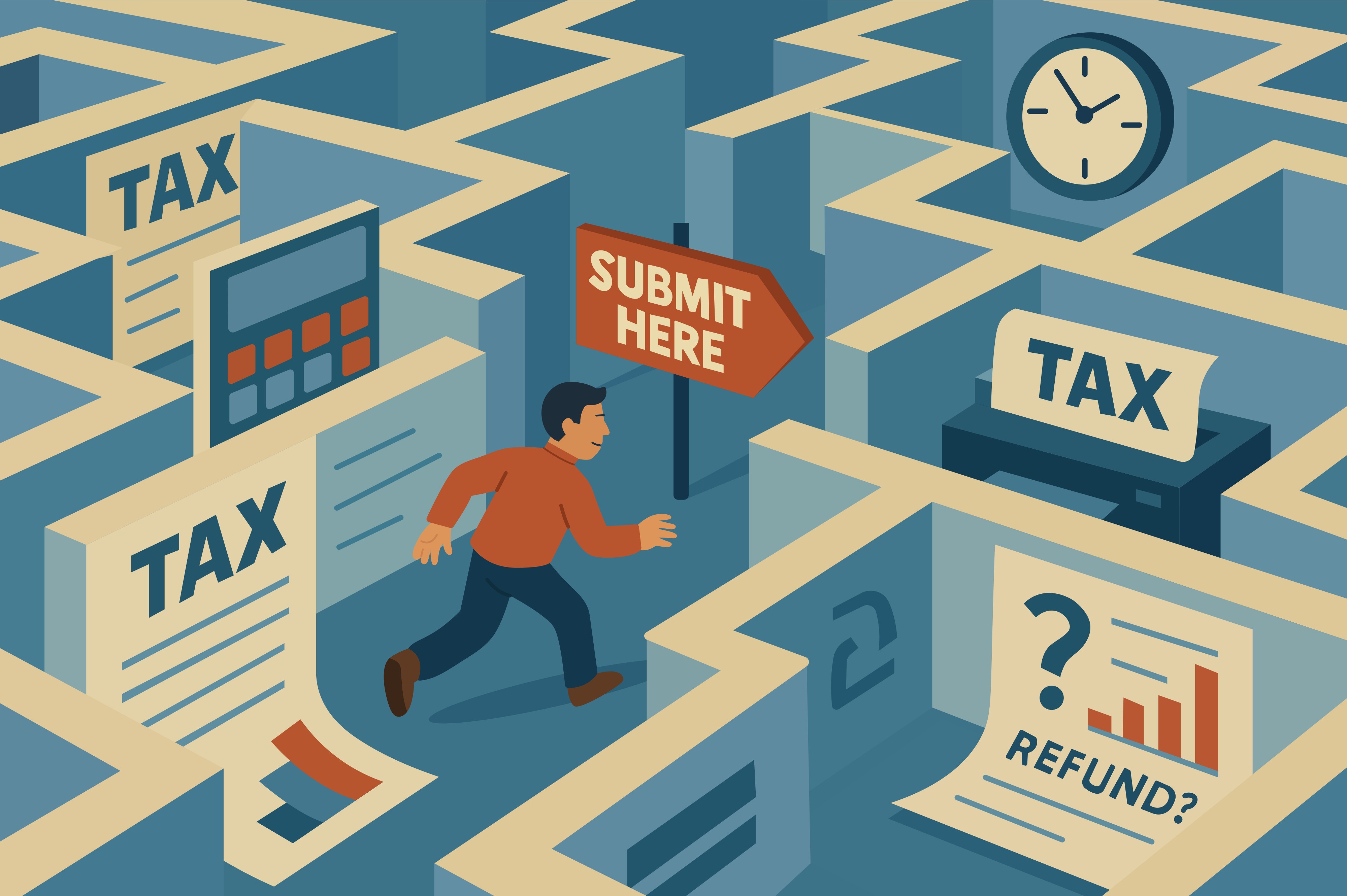
Tax in the UK is less about a single headline rate and more about how HMRC defines what counts as taxable income. Before the tax bands even come into play, the system asks a basic question: how much of your income should be taxed at all? This is where allowances and deductions matter. Allowances typically carve out income that is not taxed, while deductions and reliefs reduce the income figure that tax is calculated on or translate into tax relief that you claim back. When you understand these moving parts, it becomes clear why two people with similar salaries can end up paying different amounts of tax, and why the same person can see their tax bill shift from year to year even when their pay does not change much.
The starting point for most people is the Personal Allowance. This is the portion of income you can earn before paying Income Tax, and for many taxpayers it is the single biggest factor shaping taxable income. If your annual income sits around or below the Personal Allowance, your taxable income may be minimal or even zero. Once your income rises above that level, only the portion above the allowance becomes taxable, and that taxable portion is then split across the UK’s tax bands. In practice, this means that a raise does not suddenly push your entire income into a higher band. Instead, it increases the slice that is taxed at a higher rate, while the earlier slices remain taxed at lower rates or not taxed at all.
However, the Personal Allowance is not equally available to everyone. One of the most significant turning points occurs once income exceeds £100,000. At that point, the allowance begins to taper away, reducing by £1 for every £2 of income above £100,000. Eventually it disappears entirely at £125,140. This taper changes the relationship between earnings and taxable income because it creates a situation where earning more can cause you to lose part of the tax-free allowance at the same time. As a result, taxable income can rise faster than gross income in this range, which can lead to a surprisingly high effective tax rate. The practical message is that allowances can work in two directions. They can protect part of your income from tax, but they can also shrink if you cross certain thresholds, leaving more of your income exposed.
This is where deductions and reliefs become especially important. HMRC uses a measure called adjusted net income to determine whether your Personal Allowance is reduced. Adjusted net income is not simply your salary or your total earnings. It is a calculation that subtracts certain reliefs, which means these reliefs can do more than lower the amount of income taxed at a particular rate. They can also protect your Personal Allowance by keeping your adjusted net income below the taper threshold. In other words, the right deductions can prevent a chain reaction where higher income triggers the loss of the tax-free allowance, leading to an unexpectedly large tax bill.
Pension contributions are one of the most common and powerful ways to reduce taxable income. In the UK, pension tax relief usually arrives through either a net pay arrangement or a relief at source arrangement. If you are in a net pay scheme, your pension contributions come out of your pay before Income Tax is calculated, reducing your taxable pay immediately. If you are in a relief at source scheme, you contribute from pay that has already been taxed, and the pension provider claims basic rate tax relief to top up your contribution. If you pay tax at higher rates, you generally claim additional relief from HMRC through Self Assessment or a tax code adjustment. These systems look different on paper, but they are both designed to achieve the same outcome: reducing how much of your income is exposed to tax, either upfront through payroll or later through claims.
Gift Aid donations work in a similar way, and they can have an outsize impact for higher earners because they also feed into adjusted net income. When you donate using Gift Aid, the charity can reclaim basic rate tax on the donation. Higher-rate taxpayers can claim additional relief on top of that, again typically through Self Assessment or through changes to their tax code. The key point is that Gift Aid does not just reduce the tax you pay on a marginal slice of income. It can also reduce adjusted net income using the grossed-up value of the donation. For taxpayers near £100,000, this can make a meaningful difference by reducing or even avoiding the loss of the Personal Allowance.
Beyond the headline Personal Allowance, the UK system includes other allowances that can shift taxable income or reduce tax payable. Marriage Allowance is a widely discussed example. It allows one spouse or civil partner with income below the Personal Allowance to transfer a portion of that unused allowance to their partner, as long as the receiving partner is a basic rate taxpayer. While the amount involved is relatively modest compared with pension relief, it still changes the tax calculation in a way that many eligible couples miss, largely because it is not always applied automatically. There is also the older Married Couple’s Allowance, which applies only in specific cases based on date of birth and operates differently from Marriage Allowance. These schemes highlight an important idea: allowances are not a single uniform concept, and some reduce taxable income while others reduce the final tax bill.
The effect of deductions and allowances becomes even clearer when you consider how they interact with the tax bands. Tax is not simply about whether you are a basic rate or higher rate taxpayer. It is about how much of your income lands in each band. A pension contribution or allowable expense that reduces taxable income can shrink the portion taxed at 40% or 45% and increase the portion taxed at 20%, changing the overall outcome. This is also why some taxpayers find that deductions feel more valuable than expected. In certain ranges, the deduction is not only reducing tax at a higher rate, it may also prevent the loss of allowances or keep income within thresholds that unlock more favourable treatment elsewhere in the tax system.
Income types also matter because the UK applies different rules to different categories such as earnings, savings, and dividends. Savings interest and dividends come with their own allowances and rate structures, and those allowances can depend on whether you are a basic rate or higher rate taxpayer. When deductions lower your taxable income enough to keep you out of a higher rate category, the benefit can extend beyond your employment income. It can influence how much of your savings interest is tax-free, and how other allowances apply. This is one reason why thinking of the system as interconnected is more accurate than viewing each income stream in isolation.
Finally, the practical reality is that the value of allowances and deductions depends on how they are applied. Some benefits show up automatically through PAYE if HMRC has the right information. Others require active claims, applications, or adjustments through Self Assessment. Pension relief might arrive through payroll or via later claims, depending on the scheme type. Gift Aid relief for higher-rate taxpayers typically requires additional steps to receive the full benefit. Even when the rules are clear, the administration is often where people lose money, not because they are ineligible, but because the relief is not automatically delivered and they assume it is.
In the end, tax deductions and allowances shape taxable income by redefining what portion of your earnings is actually subject to Income Tax. The Personal Allowance removes a foundational slice of income from taxation, but that protection can taper away at higher income levels. Deductions and reliefs, especially pension contributions and Gift Aid, can reduce taxable income directly and can also protect allowances by lowering adjusted net income. When combined with the banded structure of UK tax, these tools can shift income out of higher-rate bands, preserve threshold-based benefits, and prevent unpleasant surprises. The most important takeaway is that taxable income is not simply your salary. It is a calculated figure shaped by allowances, deductions, and how well you ensure those benefits are applied in the way the system intends.
 WhatsApp
 Instagram
 Threads