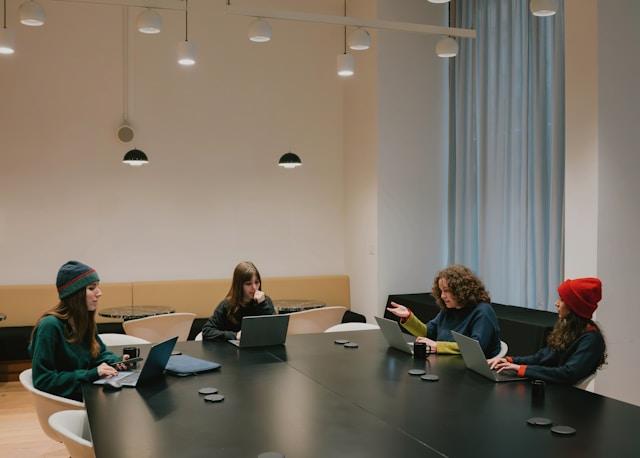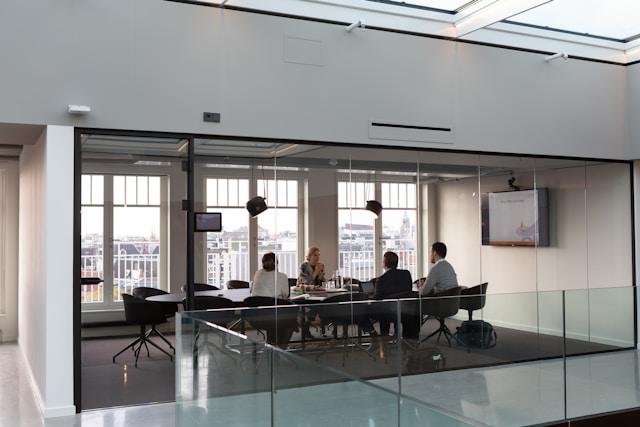
Productivity at work often gets framed as a personal virtue, the kind of thing you prove through longer hours, faster replies, and an always on presence. In reality, most overworking is not a character flaw. It is a predictable response to a work environment that is crowded with competing priorities, constant interruptions, unclear decision making, and invisible expectations. When the system is messy, people compensate with time. They stay late to regain focus they could not access during the day. They work weekends to catch up on work that kept getting pushed aside by meetings and message threads. They answer after hours because they fear silence will be interpreted as disengagement. If the goal is to help employees stay productive without overworking, the most effective strategies are not motivational speeches or time management tricks. They are operational choices that make focus possible, priorities clear, and effort sustainable. Productivity becomes repeatable when teams reduce friction, limit unnecessary work in progress, protect attention, and normalize recovery as part of doing excellent work.
A useful starting point is to redefine what productivity actually means. In many organizations, productivity is measured indirectly through busyness. The employee who responds instantly, attends every meeting, and says yes to every request is viewed as dependable. Yet busyness can be a mask for low progress. When teams reward visibility more than outcomes, people learn to stay active instead of staying effective. They begin to treat availability as a performance metric, which turns the workday into an endless stream of small reactions. The real work, the thinking work, the building work, the problem solving that creates results, gets pushed into evenings where interruptions finally drop. Overworking becomes the price of doing the job properly.
Sustainable productivity starts when outcomes become the unit of value. Employees can make better decisions about where to invest their energy when they understand what matters most and what success looks like. That requires leaders to do something that feels uncomfortable in fast moving environments: choose. Not everything can be urgent. Not everything can be top priority. When leadership refuses to rank priorities, employees are forced to rank them privately, and they do it under pressure. They overdeliver to avoid blame, overcommunicate to avoid being misunderstood, and overwork to cover the ambiguity that should have been resolved upstream.
The next shift is making work visible, because invisible work is where overwork hides. Many employees are not drowning in one huge task. They are drowning in dozens of small commitments that never officially become “work.” A quick favor becomes an ongoing responsibility. A one time review turns into an open ended consulting role. A message that begins with “can you just” becomes a new stream of tasks. Since these commitments are not always tracked, they do not show up in planning conversations, and employees carry them quietly. They look fine on paper while their real workload grows in the shadows.
When work becomes visible, overload can be addressed earlier. Managers can see when a strong performer is becoming the default solution for every problem. Colleagues can understand that capacity is limited and that adding work requires tradeoffs. Visibility also creates accountability for the organization, not just the individual. If the workload consistently exceeds normal hours, it becomes clear that the system is overpromising or underresourcing. That clarity is uncomfortable, but it is far healthier than letting employees pay the difference with their nights.
Another essential strategy is limiting work in progress. Overworking often comes from fragmentation more than volume. When employees juggle multiple half finished projects, their days fill up with switching, restarting, and reorienting. Each shift has a cost. It takes time to reload context, rebuild momentum, and regain clarity. After a full day of switching, people feel exhausted yet strangely unaccomplished. That combination is dangerous because it triggers the impulse to keep working. Employees tell themselves they will just do one more hour to finally make progress, and then another hour, because the first one is spent simply getting back into the task.
Teams that protect productivity without overworking reduce this fragmentation. They keep fewer projects active at the same time. They treat starting new work as a decision with consequences, not a casual act. They build a shared understanding that when something new comes in, something else needs to slow down, move, or stop. This is not about rigidity. It is about honesty. If the team cannot name what will change when a new request arrives, then the unspoken answer is that employees will change their personal time. That is the default tradeoff in many workplaces, and it is precisely what creates chronic overwork.
Calendar design matters here more than most leaders admit. When the workday is packed with meetings and constant check ins, employees lose the uninterrupted blocks they need for deep work. They can talk about strategy all day, but execution requires quiet, sustained attention. In meeting heavy cultures, employees often experience a strange split: the daytime becomes for coordination and communication, while the evening becomes for creation. That pattern might feel normal in high pressure environments, but it is not sustainable. It trains people to associate focus with isolation and isolation with after hours.
The solution is not to eliminate meetings. It is to treat meetings as a scarce resource and demand purpose. A meeting should exist because it produces a decision, resolves a conflict, aligns on a plan, or handles complexity that cannot be handled asynchronously. If a meeting exists because it has always existed, it is probably stealing time from the very work it claims to support. Alongside meeting discipline, teams need protected focus time that is real and respected. If focus time is constantly overridden by “quick calls” and “urgent syncs,” employees will stop believing in it. They will return to the habit of doing real work later, when no one can interrupt them.
Healthy boundaries are another core strategy, but the most effective boundaries are structural, not emotional. Many employees blame themselves for overworking because they think they should be better at saying no. That approach is fragile because it places the burden on individuals to resist organizational pressure. If the culture rewards yes, the person who says no repeatedly will eventually feel isolated, or worse, penalized. Even if no one intends harm, the incentives do the damage. People fall back into overwork because it feels safer than appearing unhelpful.
Structural boundaries change the defaults. They define response expectations so employees do not feel obligated to be instantly available. They create clear channels for urgent issues so everything else can remain in normal flow. They establish handoff rules so work does not leak endlessly across time zones and evenings. These boundaries do not require employees to constantly defend themselves. They give employees permission through policy and practice, not through personal courage.
The cultural piece that makes structural boundaries work is leadership modeling. Employees take cues from what leaders do, not what leaders claim to value. If managers send late night messages regularly, even with a note that says “no need to respond,” employees still feel the pressure. They interpret it as a test, or at minimum, as a preview of the pace they are expected to match. If leaders want sustainable productivity, they need to demonstrate shutdown behavior that makes rest feel normal. That can mean scheduling messages to send in the morning, not asking for non urgent deliverables after hours, and speaking openly about protecting recovery time as part of doing good work.
This leads to a critical point: recovery is not a reward for productivity. It is part of productivity. Work quality depends on judgment, creativity, patience, and emotional regulation, and those qualities decline when people are chronically depleted. When organizations treat breaks as optional, recovery becomes something employees “earn” only after they have pushed themselves to the edge. That creates a predictable cycle. Output spikes briefly, then mistakes rise, energy drops, and resentment grows. People either disengage or leave. Sustainable productivity means designing a rhythm employees can maintain without borrowing from their future health and motivation.
Managers are central to this shift because they are the ones translating organizational goals into daily reality. Many managers focus heavily on results and assume employees will figure out the process. That assumption is where overwork often begins. When a new request arrives, the manager approves it without adjusting anything else. They rely on optimism. They assume the team will squeeze it in. The team does, but the cost is paid quietly after hours.
Good managers do not just chase outcomes. They manage load. They treat capacity as a real constraint, like budget. When new work appears, they help decide what will move, what will wait, and what will be dropped. They surface tradeoffs explicitly so employees are not forced to carry them privately. They also pay attention to productivity theater, where employees look extremely active but rarely finish meaningful work. That pattern usually signals too many priorities, unclear definitions of done, or too many stakeholders pulling the work in different directions. Addressing those causes is far more effective than urging employees to “work harder.”
Employees also benefit from practical communication tools that help them protect focus without escalating conflict. One of the most powerful habits is responding to new requests with a tradeoff question rather than an immediate yes. When an employee says, “I can take this on. Which of my current priorities should move?” they are not refusing. They are making capacity visible. They are placing the decision back where it belongs, at the level of priorities. Over time, this shifts team culture. Requesters learn that adding work has consequences, and leaders become more thoughtful about what they ask for.
Another helpful practice is a deliberate end of day shutdown routine. Overworking is often fueled by open loops, those unfinished tasks and unresolved questions that keep running in the mind long after the laptop closes. Without a shutdown ritual, employees carry work mentally even when they are off. That mental load makes it feel necessary to keep working, because rest does not feel clean. A simple routine can help: capture what remains, choose a clear first task for tomorrow, and define a final time to check messages. The point is not strictness. The point is psychological closure, so the evening can actually be restorative rather than a continuation of the workday in disguise.
Finally, organizations need to replace the ideal of “always available” with the standard of “reliably responsive.” Many teams fear that reducing overwork will make them slower. In practice, it often makes them faster, because predictability improves. When employees have protected time to execute, they deliver more consistent results. When priorities are clear, they avoid rework. When expectations about communication are reasonable, they stop spending their best hours reacting and can return to building.
Sustainable productivity is not a perk or a wellness slogan. It is the result of deliberate work design. It comes from clarity, visible workload, limited simultaneous priorities, disciplined calendars, structural boundaries, and leadership that treats recovery as essential. When these elements are in place, employees do not need to be told to work smarter. They will, because the environment finally allows them to do their best work within normal human limits. The real test is simple. If your team worked only within healthy hours for the next two weeks, what would break first? If the answer is not delivery but the illusion that everything is urgent, then you already know where to start.
 WhatsApp
 Instagram
 Threads