A side hustle is often described as extra work done outside a primary job, but that plain definition misses what makes it meaningful. At its best, a side hustle is a small, intentional experiment in independence. It is a way to earn beyond your salary, test an idea without betting your entire livelihood, and build proof that your skills can create value in the real world. People start side hustles for many reasons, and those reasons matter. Some want breathing room in their budgets. Some want a safety net in case their job changes. Others feel restless, underused, or curious about what they could build if they stopped waiting for permission.
In simple terms, a side hustle is any income generating activity you choose to run alongside your main responsibilities, whether that is a full-time job, school, caregiving, or another commitment. It can look like freelancing, tutoring, selling products online, creating content, running a small service business, or building digital products. What makes it a side hustle is not the industry or the platform. It is the fact that it sits beside your primary income source and grows in the margins of your time.
That margin reality is what separates a healthy side hustle from a glamorous fantasy. A side hustle cannot be designed as if you have unlimited evenings, endless weekends, and a body that never gets tired. The biggest constraint for most people is not lack of ideas. It is limited energy. When a side hustle works, it works because it respects your capacity. It fits into your life instead of consuming it. It gives you returns without demanding that you sacrifice your health, relationships, and rest just to keep it alive.
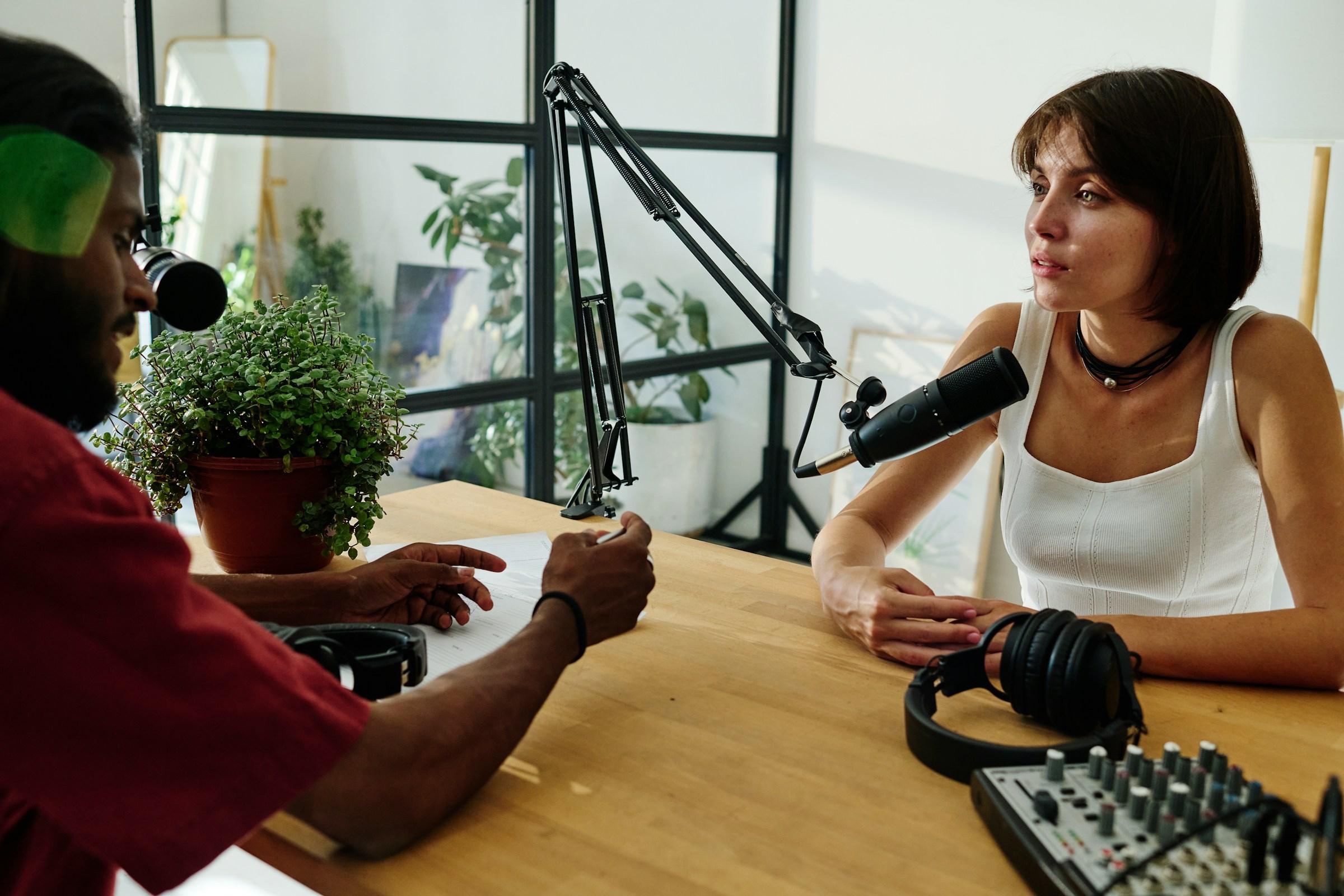
Many side hustles start as a simple exchange of skill for cash. You offer a service and get paid for your time. This is usually the fastest path to income because you are selling something you can deliver immediately. Freelance design, writing, social media management, editing, coaching, photography, and consulting all fall into this category. The advantage is speed, but there is a trap. If you do not set boundaries, you can build a second job that follows you home. Your calendar fills up, your messages never stop, and your side hustle becomes another boss.
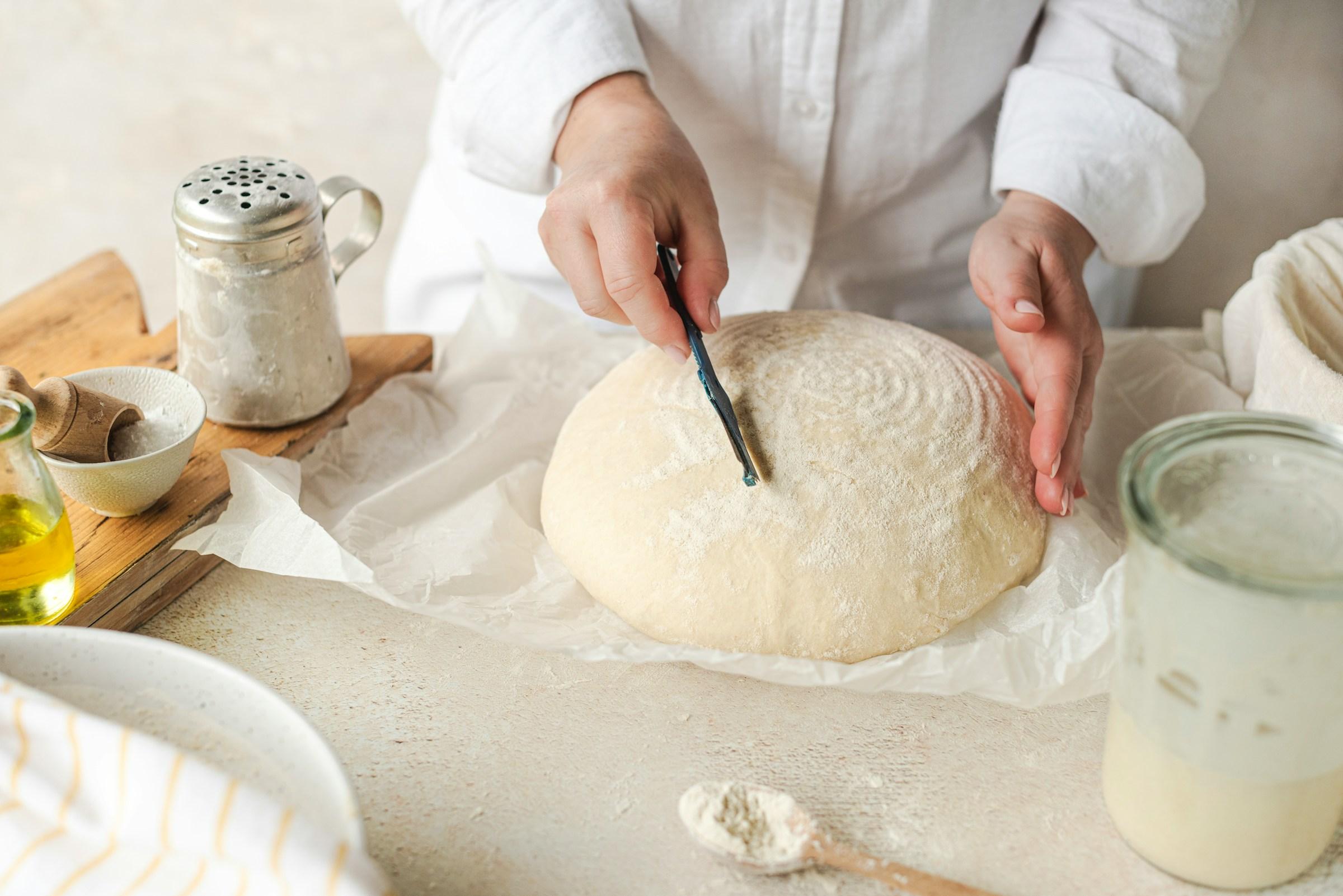
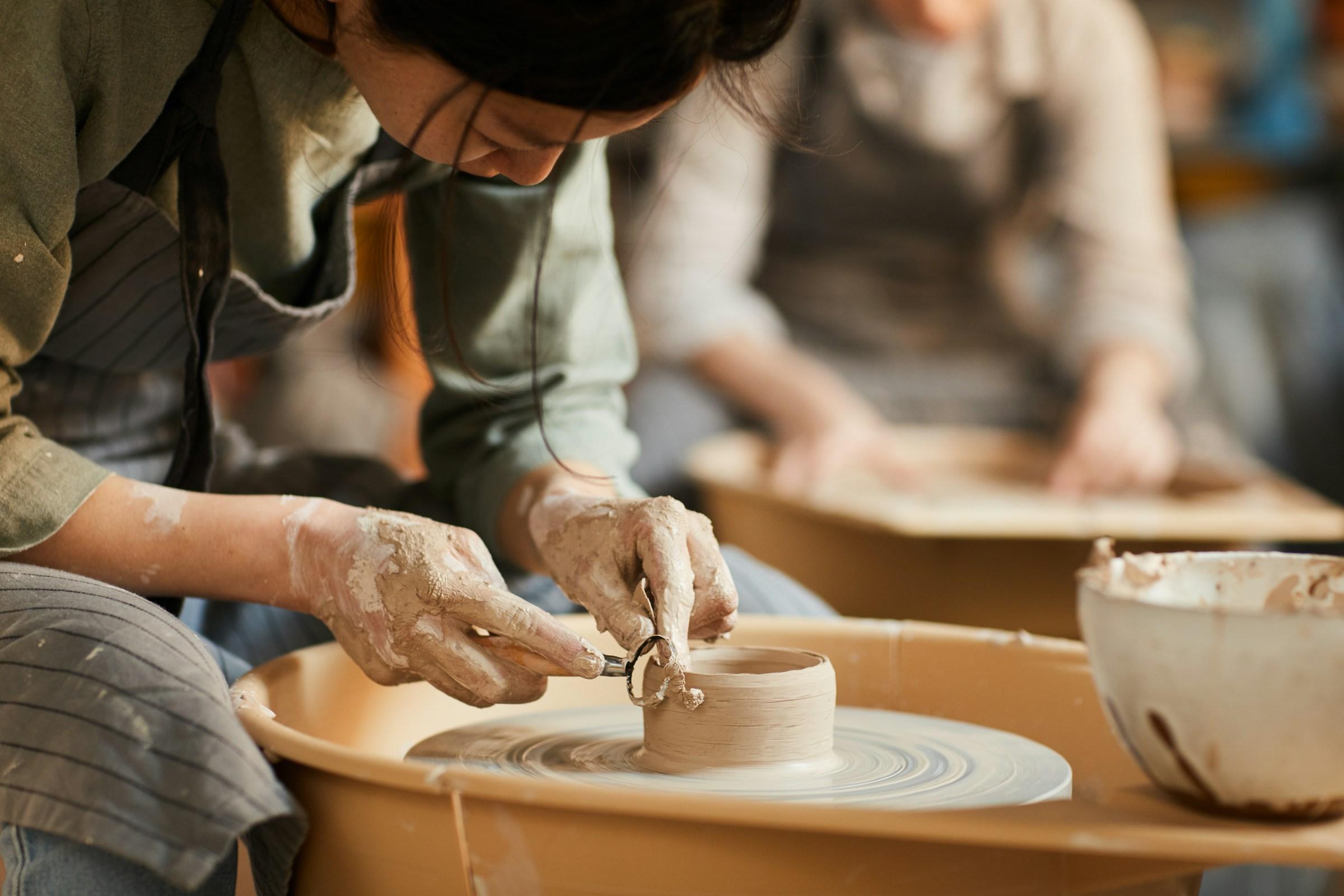
Other side hustles are product-based. You make, source, or curate something and sell it. That could mean homemade food, crafts, reselling, small e-commerce stores, or digital products like templates and guides. These hustles can scale more easily than services because they are not always tied to the same number of hours, but they introduce other challenges. Inventory, shipping, returns, customer expectations, platform fees, and cashflow timing become part of your daily reality. The work shifts from pure skill delivery to operations, and that requires patience and systems.
There are also platform-driven side hustles that rely on building an audience or a community, such as content creation, affiliate marketing, live selling, or online courses. People often call these passive income, but most of the time the work is simply front-loaded. You put in consistent effort before the results show up, and you have to earn trust repeatedly. These can compound over time, but they are rarely quick wins. They require resilience because algorithms change, attention shifts, and what worked last month can feel invisible the next.
Regardless of the model, the most useful way to understand a side hustle is to view it as a test of three things: demand, delivery, and durability. Demand answers the question of whether anyone will pay. Not whether people think it is a nice idea, but whether real customers will exchange money for what you offer. If you cannot get paid, you do not have a business yet. You have a guess. That guess might still be promising, but it needs refinement.
Delivery is the next test. Once someone pays, can you deliver consistently and at a quality that makes the price feel fair? Many people can impress a first customer by overdelivering. The real challenge is creating a repeatable way to fulfill orders or provide services without panic and exhaustion. Delivery forces you to build process, not just motivation.
Durability is the test most people ignore until it hurts. Can the side hustle survive a heavy week at your main job, a family event, or a period when your energy dips? If the side hustle collapses the moment you are not operating at full strength, it is fragile. A durable side hustle has simple rules, clear scope, realistic timelines, and a structure that allows you to keep going without constantly sprinting.
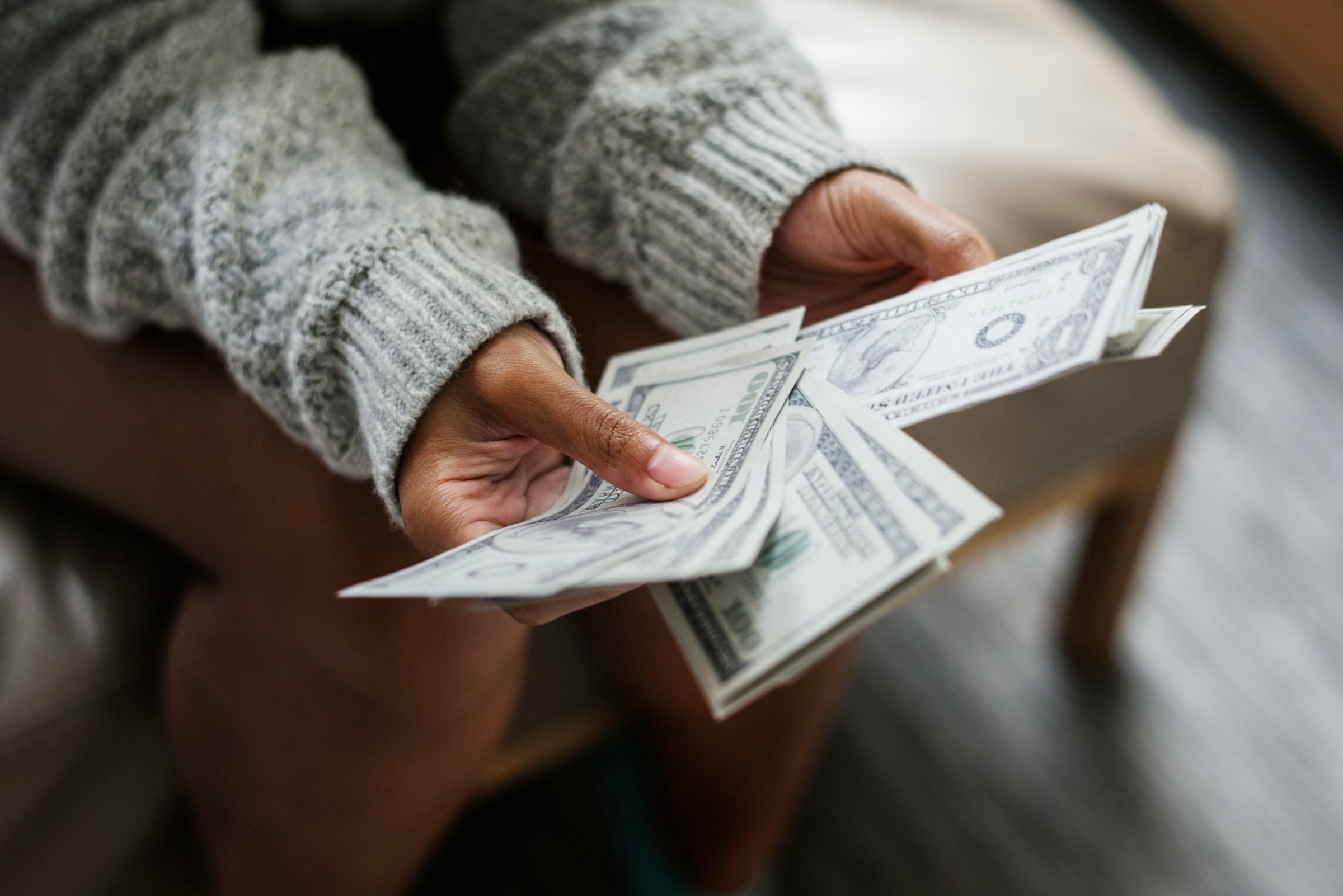
This is also where money needs to be treated with honesty. Revenue is not profit, and a side hustle that looks impressive on the surface can be disappointing once you account for costs, time, and mental load. If you sell an item for a certain price but spend a large portion on materials, delivery, packaging, and platform fees, the remaining amount is what you are actually earning. If producing it takes hours, your true hourly rate might be far lower than you think. Side hustles become sustainable when the numbers make sense and when you respect your own time as an expense.
A side hustle also comes with responsibilities that people sometimes avoid because they feel intimidating. If you are employed, you should be aware of your contract terms, especially rules around moonlighting, conflicts of interest, and intellectual property. It is important to keep your side hustle separate from your employer’s resources, time, and assets. As the hustle grows, you also want to understand basic tax obligations, simple record-keeping, and the risk you might be taking on when you offer services or sell products. You do not need to be paranoid, but you do need to be practical. Being informal at the start is common, but staying careless as you scale can turn a good side hustle into a stressful liability.
Perhaps the biggest danger is psychological. Some people start a side hustle to feel freedom, then accidentally recreate the worst parts of work culture. They make themselves constantly available, underprice their time, say yes to every request, and treat rest like laziness. The side hustle becomes a source of guilt instead of growth. A healthy side hustle requires self-respect. That means pricing that reflects effort, policies that protect your time, and boundaries that keep the hustle from swallowing your life.
When someone asks whether they should start a side hustle, the most practical starting point is not the trendiest idea or the most viral niche. It is the intersection of what you can do well, what people will pay for, and what you can deliver consistently within your real schedule. The best side hustle is one you can repeat, not one that only works when you are in a perfect mood with a perfect week. It is one that fits your energy and strengthens your confidence, not one that drains you until you resent it.
In the end, a side hustle is more than extra income. It is a controlled way to test independence. It teaches you how to create value without a manager assigning tasks, how to serve customers instead of pleasing colleagues, and how to build momentum through your own discipline. Even if it never becomes a full-time business, it can become a powerful form of career insurance and personal proof. If you start small, get paid early, stay honest about the math, and protect your energy like it is capital, a side hustle can be one of the most practical ways to expand your options without blowing up the life you already have.
 WhatsApp
 Instagram
 Threads
.jpg&w=3840&q=75)