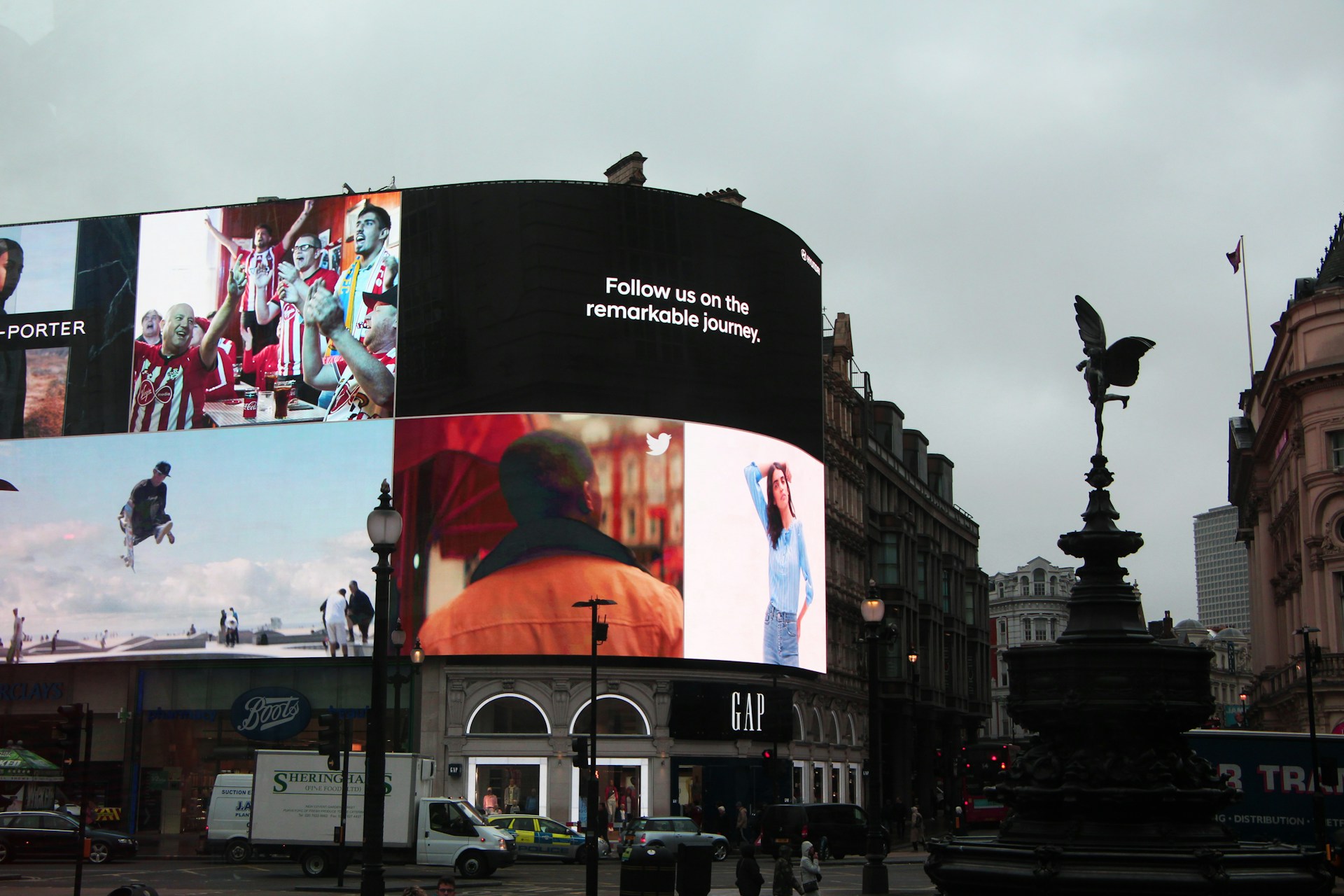
Experiential marketing is often described as one of the most powerful ways to connect with customers because it brings a brand to life in a tangible, memorable way. Instead of asking people to trust an advertisement or a promise on a website, it places the product, the message, and the people behind the brand into a real-world setting where customers can interact, ask questions, and form their own opinions. Yet the effectiveness of experiential marketing is not automatic. It can be highly impactful when done well, but it can also become an expensive effort that produces excitement without results. Understanding how effective experiential marketing is requires looking beyond surface-level buzz and focusing on whether it creates real, lasting changes in customer behavior.
The unique strength of experiential marketing is its ability to build trust quickly. Trust is often the biggest barrier between interest and commitment, especially for brands offering high-value, high-stakes, or complex products. In many cases, people hesitate because they fear wasting money, making the wrong choice, or being disappointed. Experiential marketing reduces that fear by replacing imagination with experience. When customers can test a product, see it demonstrated, or speak directly with knowledgeable staff, uncertainty drops. Even for services, live interactions create reassurance because customers get a sense of professionalism, credibility, and genuine support. This is one reason experiential marketing tends to work best in categories where the customer’s perceived risk is high and where confidence is essential for a purchase decision.
However, many brands misunderstand what experiential marketing is meant to achieve. They focus heavily on creating an impressive atmosphere, hoping that excitement and visuals alone will translate into business success. While attention can be a useful starting point, it is not the same as effectiveness. A crowded event, strong social media engagement, or a flurry of photos does not necessarily mean that the experience generated value. Experiential marketing is only truly effective when it leads to meaningful outcomes, such as increased conversions, higher sales, stronger loyalty, or more referrals. If people enjoy the event but do not take the next step, the experience may have created a moment of interest without building momentum.
This is why the most effective experiential marketing campaigns are built with a clear purpose and a clear path forward. Some experiences are designed to drive immediate sales, acting like temporary stores where customers can buy on the spot. In these cases, effectiveness depends on how smooth and persuasive the buying journey is. The brand needs to remove friction through easy checkout, helpful staff, and offers that match customer needs. A beautiful pop-up that feels like an art gallery may look impressive, but without a sales structure it will not generate strong returns. If the goal is immediate revenue, the experience must make purchasing feel natural and effortless.
Other experiential campaigns are designed less for immediate purchases and more for community building. These are especially useful for brands that rely on identity, belonging, or long-term engagement. A community-driven experience may not produce an instant spike in sales, but it can increase customer retention, deepen emotional connection, and encourage word-of-mouth growth. Yet the success of these campaigns depends on continuity. A single event rarely creates a real community unless it is supported by follow-up engagement, repeated gatherings, and channels that keep people connected. Without that continuity, the sense of belonging fades quickly and the brand loses the long-term value that community experiences are meant to produce.
There is also a third approach that often has the strongest commercial impact, which is designing experiences that function as proof. These experiences are not about spectacle or entertainment. They are about removing doubt by showing outcomes in a way that customers can feel. A workshop that teaches attendees how to solve a real problem, a hands-on trial that demonstrates results, or a guided session that transforms how someone uses a product can create a powerful shift in belief. This kind of experience works because it does not merely communicate value, it delivers value. Customers are more likely to buy after experiencing a genuine result, because the question changes from “Will this work?” to “How soon can I have this again?”
Even with strong design, experiential marketing comes with an important risk. It acts as a magnifier. Whatever is true about your product and your brand becomes more visible in an in-person setting. If your product experience is confusing, your staff is unprepared, or your brand promise feels larger than what you can actually deliver, the experience will expose those weaknesses quickly. Unlike digital marketing, where a polished message can sometimes hide operational flaws, real-life experiences demand real execution. People notice gaps, compare notes, and remember disappointments more vividly. That is why experiential marketing works best when a business already has confidence in its product quality and operational readiness.
To make experiential marketing effective, brands also need to think carefully about what happens after the event ends. The most common failure point is a lack of follow-through. Many companies devote most of their time to staging the event and assume results will naturally appear. In reality, the experience should be treated as a peak moment within a larger journey. Customers must be guided into the next step, whether that is a purchase, a subscription, a trial, a consultation, or an invitation into an ongoing community. Follow-up matters because it converts heightened interest into a relationship. Without it, experiential marketing becomes a one-time burst of attention rather than a lasting driver of growth.
Measuring effectiveness is another area where brands often struggle. Experiential marketing does not always provide clean attribution, especially when outcomes happen weeks later. But imperfect measurement does not mean measurement is impossible. A brand can track results through event-specific signups, dedicated landing pages, unique codes, post-event surveys, and comparisons between attendees and non-attendees. What matters is setting up measurement around outcomes, not inputs. Metrics such as conversions, trial starts, repeat purchases, referrals, and retention shifts provide a more accurate picture of effectiveness than simple foot traffic or social engagement.
Experiential marketing is also not limited to consumer brands. It can be particularly effective in business markets where trust, credibility, and relationships play a major role in purchasing decisions. In B2B settings, an experiential strategy may look less like a flashy activation and more like an invitation-only workshop, a customer success clinic, or an operator event where decision-makers see the brand’s expertise in action. Because B2B buyers tend to be more skeptical and have more stakeholders to convince, a strong experience can shorten sales cycles and reduce hesitation. The key is to design the experience around usefulness and proof, rather than spectacle.
Ultimately, experiential marketing is effective when it is treated as a system instead of a performance. It works best when the brand is clear about what belief needs to change, what customer behavior needs to follow, and what operational excellence is required to deliver on the promise. When those pieces align, experiential marketing can generate trust faster than many other channels, create stronger loyalty, and spark stories that customers willingly share. When those pieces are missing, the same strategy becomes costly entertainment that fades as soon as the lights go out. The difference is not whether the event looks impressive, but whether it moves people toward meaningful action and builds relationships that last beyond the experience itself.
 WhatsApp
 Instagram
 Threads