Advertising rarely changes us through a single dramatic moment of persuasion. It works more quietly, shaping the environment around our choices until certain actions feel natural, obvious, or even inevitable. Many people assume that ads succeed by arguing with us, as if every purchase is the result of a rational debate that the advertiser wins. In reality, advertising tends to influence behavior by altering what we notice, what we feel, what we expect, and how easily we can act. Over time, these subtle shifts accumulate, and we begin to respond in predictable ways even when we believe we are making independent decisions.
The first way advertising influences behavior is by competing for attention. In a world where most people are overwhelmed by information, attention is the entry point to every other form of influence. Advertisers design visuals, headlines, and short messages to interrupt routines and make us pause, even briefly. Movement, bright imagery, and human faces pull our eyes, but relevance pulls us in deeper. When an advertisement resembles our own concerns, desires, or recent searches, it stops feeling like an intrusion and starts feeling like information. Once that happens, the wall between interruption and engagement weakens. The ad has not persuaded us yet, but it has gained something just as important: time inside our awareness.
Once attention is captured, advertising begins to reshape behavior through framing. Framing is the way a message defines what a product or service means, not only what it does. The same item can be positioned as a reward after a stressful week, a shortcut for someone who feels behind, a safety net for uncertain times, or a status marker that signals success. Each frame activates different emotions, and those emotions influence action far more quickly than logic does. Instead of convincing us through careful explanation, an effective ad gives us a feeling that becomes a reason. The purchase then follows as a way to resolve that feeling, whether it is a desire for comfort, relief, confidence, or belonging.
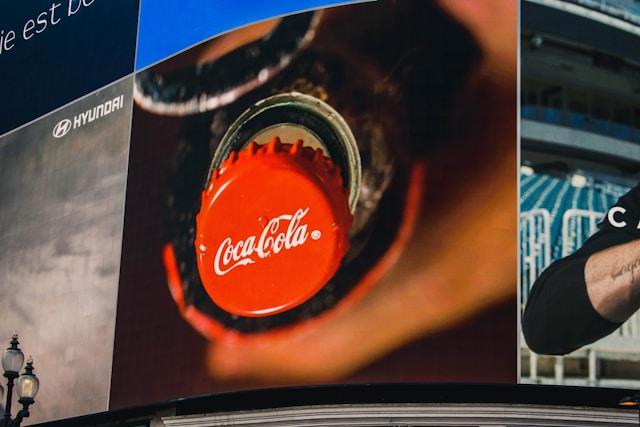
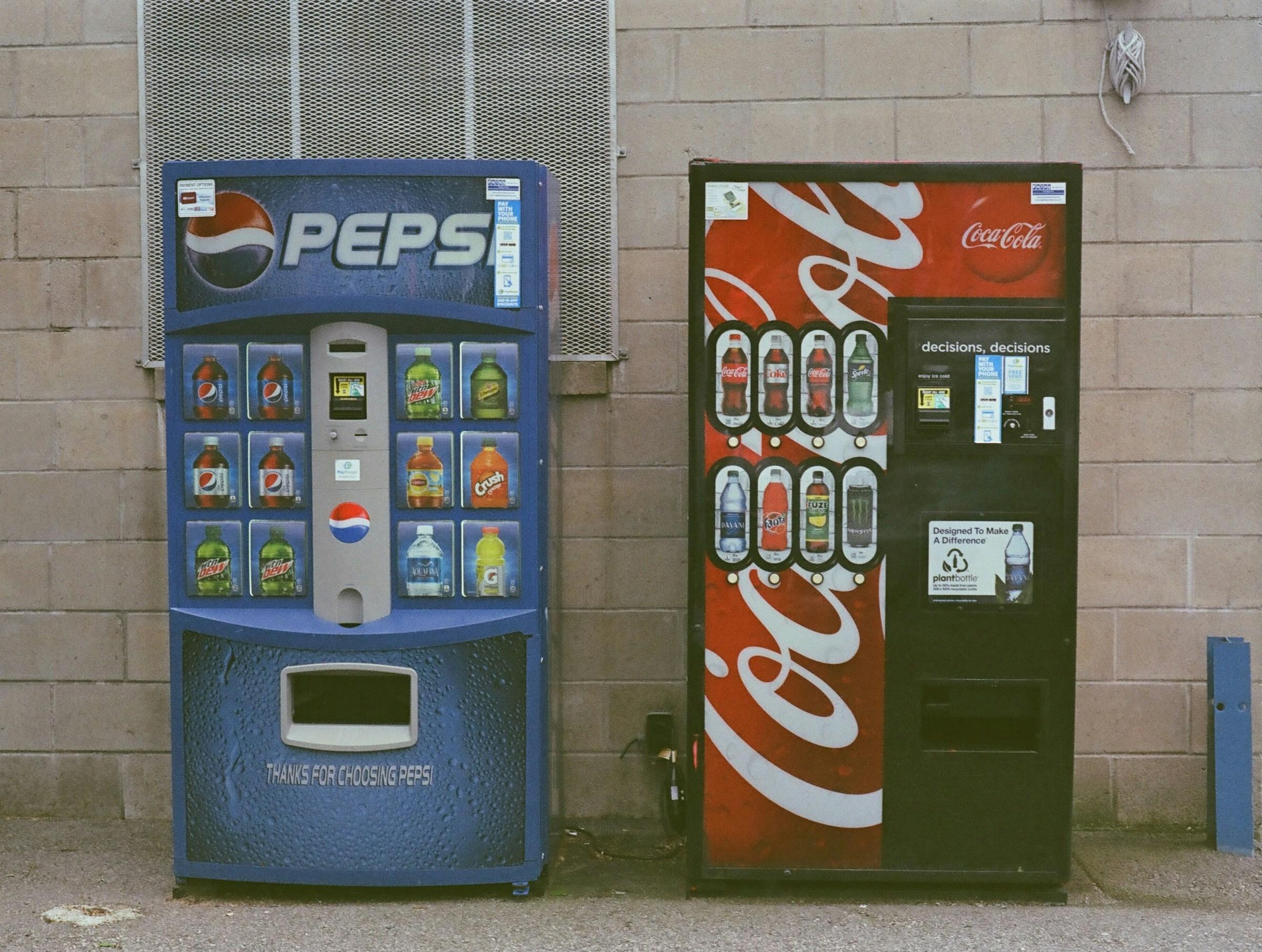
Repetition strengthens this process. People often describe repetition as brand awareness, but its deeper function is familiarity. When we see the same brand name, logo, or offer repeatedly, it begins to feel less risky. Familiarity creates a sense of safety even when we cannot explain why. This is why ads that seem easy to ignore can still shape future behavior. We may not engage consciously, but our brain registers patterns. The next time we see the brand, the mental effort required to consider it is lower. Eventually, what started as background noise becomes a recognizable option, and recognition becomes a quiet push toward action.
Timing is another powerful lever. Advertising does not only try to reach us when we might be interested. It tries to reach us when we are most likely to say yes. People are more vulnerable to impulse when they are tired, stressed, or emotionally depleted. They may also be more open during predictable moments such as payday, lunch breaks, evenings, or weekends when they do personal planning. Modern platforms track engagement signals that reveal readiness, then deliver messages at moments when resistance is naturally lower. In that sense, many ads do not succeed because they are more persuasive than alternatives. They succeed because they arrive when our decision-making is weakest.
Social proof also changes behavior by shifting what feels acceptable and normal. When an ad includes testimonials, high ratings, creator endorsements, or the implication that thousands of others have already bought the product, it offers a shortcut to trust. Humans are wired to copy the group because belonging has always been a form of safety. We rarely want to be the person who missed the memo, especially in categories tied to appearance, status, or lifestyle. When we see enough evidence that a product is popular, we begin to assume it is a reasonable choice. The ad does not need to prove quality in a technical way. It only needs to suggest that choosing it will not make us look foolish or left behind.
At its most influential, advertising links products to identity. Instead of saying “buy this,” identity-based advertising suggests “this is who you are,” or “this is who you could become.” It sells a self-image along with the product, encouraging customers to treat the purchase as a statement about their values, ambition, taste, or belonging. This is why some people become loyal beyond reason, returning not only because the product works, but because it supports a story they tell themselves. Yet this tactic can also backfire. When customers feel pressured to maintain a certain identity to keep using a product, the relationship can turn into fatigue or resentment. What builds devotion in the short term can create emotional exhaustion in the long run.
Scarcity and urgency push behavior in a more direct way. Limited-time discounts, countdown timers, and warnings about low stock activate fear of missing out and the discomfort of future regret. These triggers accelerate decisions by reducing the time people have to evaluate alternatives. Sometimes urgency reflects reality, such as truly limited capacity or supply. But when it becomes constant theatre, customers learn to distrust it. A brand may win quick conversions while training its audience to wait for discounts or assume manipulation. The immediate benefit can become a long-term weakness.
Personalization intensifies all of these tactics because it makes advertising feel less like mass persuasion and more like a tailored recommendation. The ads people see today are often shaped by their data trails, from searches to clicks to watch time. That personalized fit makes the message feel relevant, and relevance lowers skepticism. Yet personalization also carries a cost. When people feel watched, they do not just reject a single ad. They may reject the brand itself. In this way, modern advertising walks a fine line between helpful and invasive, between being well-timed and being too intimate.
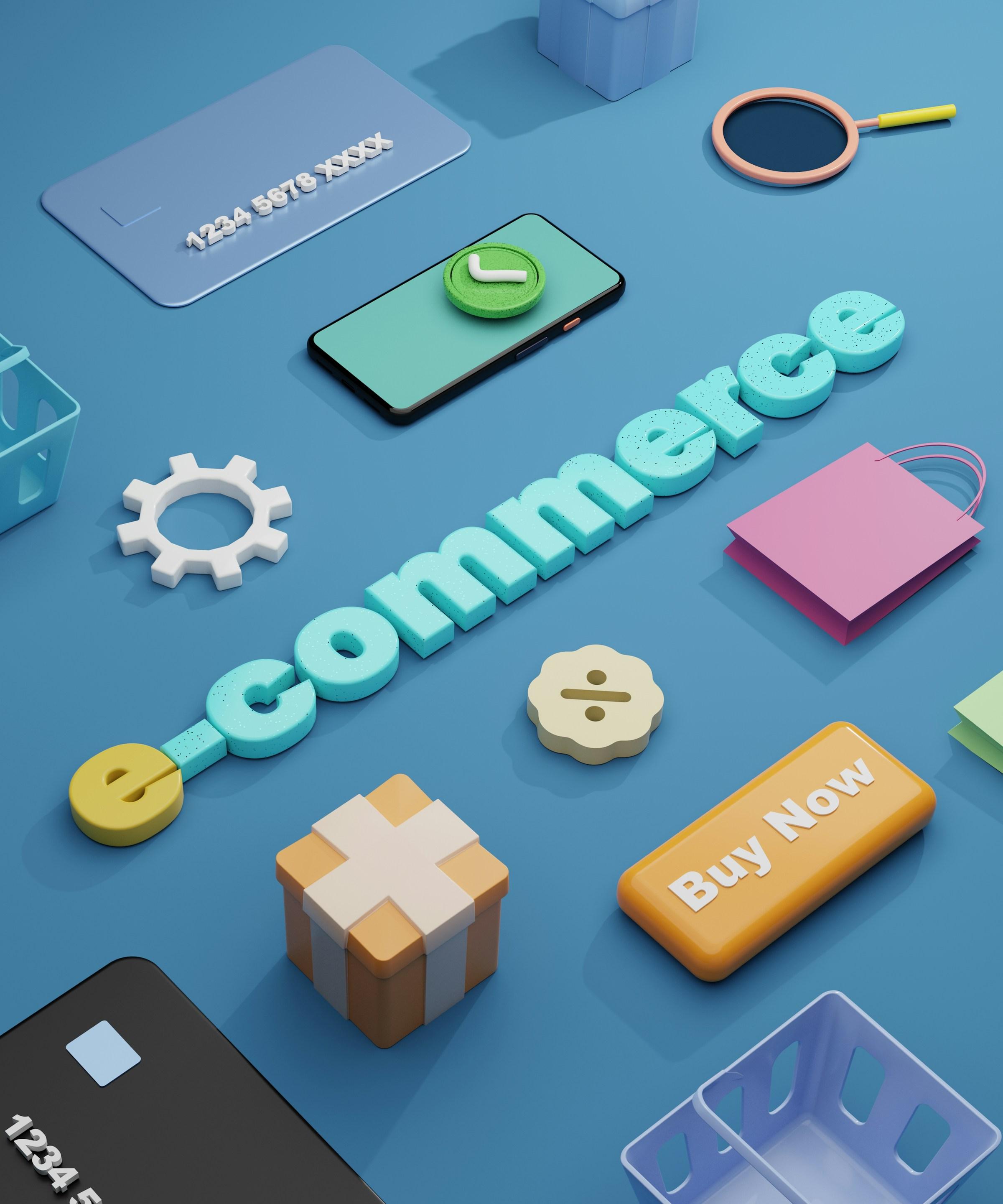
When you step back, the overall pattern becomes clearer. Advertisers change our behavior by lowering friction, raising emotion, and rewriting what feels normal. Lowering friction means making the next step easy through convenient checkout paths, simple forms, embedded shopping links, and seamless payment methods. Raising emotion means triggering feelings that push us toward action faster than reason would. Rewriting normal means shaping expectations about what we should want, what we should have, and what counts as a standard lifestyle. This last point is often overlooked. Advertising does not only sell products. It sells new baselines. When enough ads tell us a certain routine, look, or lifestyle is normal, we begin to feel behind without it, and that feeling drives spending even when the purchase is not truly necessary.
For founders and business leaders, the insight is both practical and ethical. Advertising will influence behavior whether we like it or not, and that influence can be used responsibly or carelessly. Pressure tactics can produce fast conversions, but trust is what sustains retention and referrals, especially when acquisition costs rise. A healthier approach is to ask what change the campaign is meant to create. Is it awareness, understanding, or habit? These are different goals, and they require different messaging. When businesses use urgency and identity pressure on people who do not even understand the value yet, the result can feel manipulative. When businesses focus on clarity and honest positioning, behavior changes more slowly, but it often compounds into lasting loyalty.
On the consumer side, the goal does not have to be avoiding advertising entirely. That is unrealistic in a connected world. A more useful goal is awareness of what is being activated. When urgency appears, it helps to ask why it is being triggered. When envy shows up, it helps to notice the story being sold. When relief appears, it helps to identify what fear might have been introduced first. That small pause does not make anyone immune to influence, but it restores a bit of space between impulse and action. Sometimes that space is enough to turn a reaction back into a choice.
In the end, the real power of advertising is not that it can force people to buy. It is that it can shape what people notice, what they feel, and what they consider normal. When those foundations shift, behavior follows without the need for dramatic persuasion. Whether we are building campaigns or consuming them, the most important step is the same: recognizing the subtle mechanisms at work, and deciding what kind of relationship we want with the forces that shape our choices.
 WhatsApp
 Instagram
 Threads