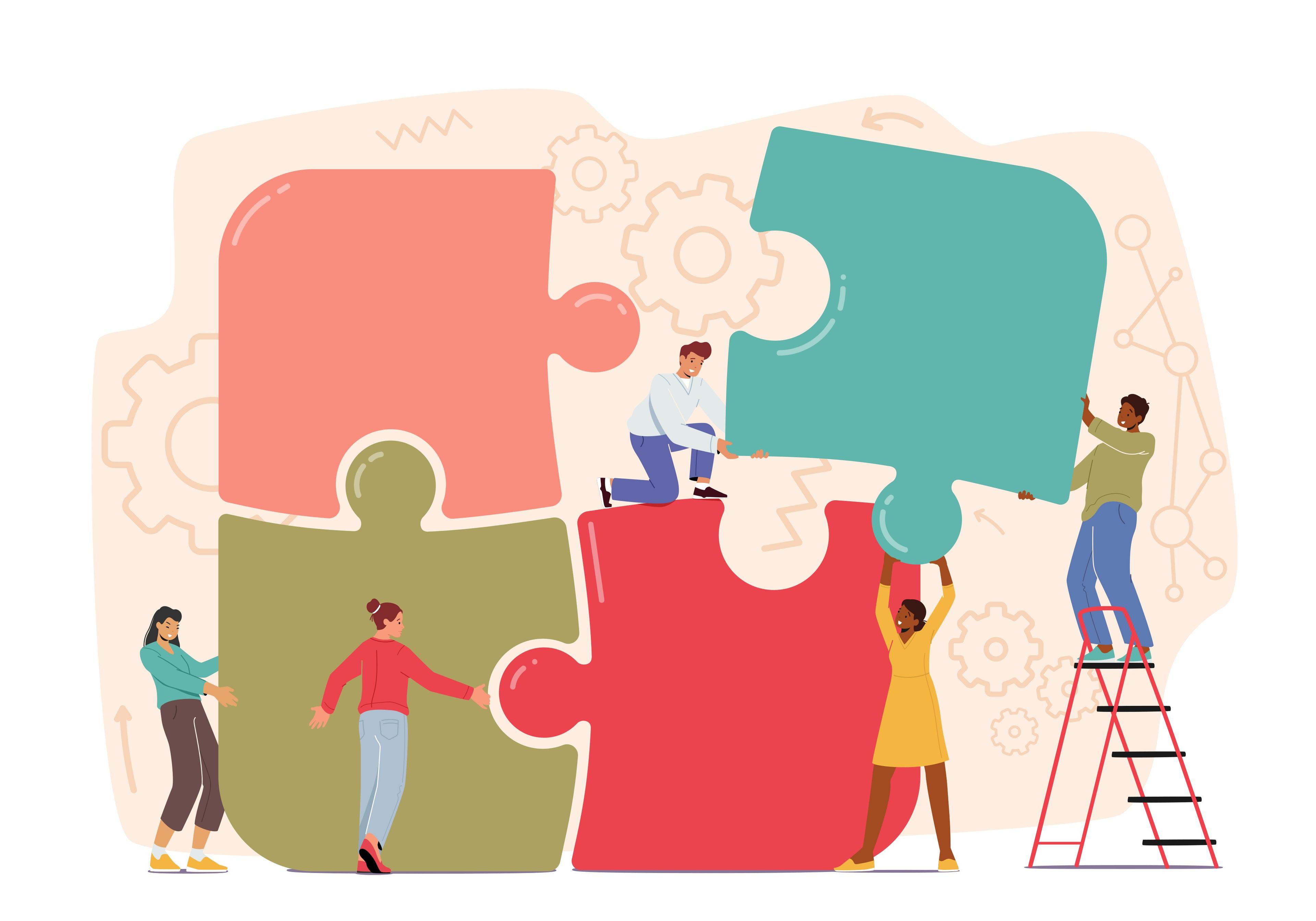
Improving multitasking skills can benefit career growth because it builds the kind of trust that promotions are made of. In most workplaces, advancement is not simply a reward for working hard or staying busy. It is a response to reliability under pressure. When a manager chooses someone for a larger scope, a higher profile project, or a leadership track, they are deciding who can handle more moving parts without letting quality, timelines, or communication fall apart. Strong multitasking, when done well, is a visible signal that you can operate steadily even when work becomes crowded and unpredictable.
The first shift in thinking is to recognize what multitasking really means in a professional context. It is often mistaken for doing many things at the same time. In practice, that approach usually leads to constant context switching, shallow attention, and unfinished work. The multitasking that supports career growth looks different. It is the ability to manage multiple workstreams with clear sequencing, consistent updates, and smart tradeoffs. Instead of trying to push everything forward at once, you create control. You decide what deserves full attention now, what can wait, what can be delegated, and what needs a quick alignment conversation before it becomes a bigger problem.
This ability matters because real work rarely arrives in neat order. Tasks come through meetings, messages, sudden escalations, and shifting priorities. A teammate may need your input to proceed. A stakeholder may ask for changes. A client may raise an urgent concern. Meanwhile, your ongoing project still needs deep focus. Employees who struggle in these moments often react by saying yes to everything, starting everything, and relying on memory to keep track. Their week looks full, but their outcomes become inconsistent. Deadlines slip without warning, and colleagues are forced to chase for clarity. The result is not only stress for the individual but also uncertainty for everyone who depends on them.
By contrast, employees with stronger multitasking skills create predictability, even when they are busy. They close loops, communicate early, and make priorities visible. If something must slip, they flag it before it becomes a surprise and explain what the tradeoff protects. If two priorities collide, they ask for a decision rather than silently absorbing the conflict. Over time, people feel safe working with them because they know where things stand. That sense of safety is a career asset. It turns you into someone others rely on, and reliance is what creates broader visibility and more opportunities.
Multitasking skills also accelerate career growth because they reduce friction across a team. In many roles, your work is connected to other people’s timelines. When you miss a deliverable, it is rarely an isolated issue. Someone else’s task stalls, a decision gets delayed, or a launch slips. The person who can keep multiple threads moving with clean handoffs and timely updates becomes a multiplier, not just an individual contributor. Managers notice multipliers because they increase team capacity. Promotions often follow the same logic. Leaders are expected to raise the output and stability of the whole system, not only their own productivity.
Another reason multitasking supports career growth is that it sharpens judgment. When you manage multiple priorities, you are forced to prioritize, and prioritization is not only a scheduling activity. It is strategic thinking in action. You learn to assess impact, urgency, dependency, and risk. You become more comfortable making choices with incomplete information. This is the kind of thinking that reads as senior. Many employees try to demonstrate readiness through effort, but leaders tend to evaluate decision quality. When you can explain why one task should come first, what it unlocks, and what it delays, you are showing that you understand outcomes and tradeoffs, not just tasks.
Better multitasking can also protect your energy and make growth sustainable. People often associate multitasking with burnout, and that happens when the process is chaotic. The problem is not having multiple responsibilities. The problem is carrying them in your head without a system. When you improve multitasking, you reduce mental clutter by turning vague worries into clear next actions, deadlines, and communication checkpoints. You spend less time reorienting yourself, less time redoing work because you lost context, and less time reacting to emergencies that could have been prevented with earlier planning. In that sense, stronger multitasking is not a path to exhaustion. It is often the skill that prevents exhaustion as your responsibilities expand.
This is especially important in cross functional environments, where career acceleration often happens. Working with multiple departments increases your visibility beyond your immediate manager, but it also exposes any weakness in coordination. When several teams depend on your timeline, your ability to manage parallel demands becomes public. If you handle it well, your credibility spreads quickly. If you handle it poorly, the opposite happens. Improving multitasking helps you maintain a consistent standard of responsiveness, clarity, and delivery across a wider network, and that consistency is what builds a strong professional reputation.
Ultimately, improving multitasking skills benefits career growth because it signals readiness for complexity. As you move up, your role becomes less like a single lane and more like a portfolio. You manage initiatives, stakeholders, decisions, and shifting priorities all at once. The people who thrive at higher levels are not the ones who do everything simultaneously. They are the ones who stay calm, keep work organized, and make progress predictable for others. When you develop that capability, you become the person your manager can trust with more responsibility, and increased responsibility is the most direct path to career growth.
 WhatsApp
 Instagram
 Threads