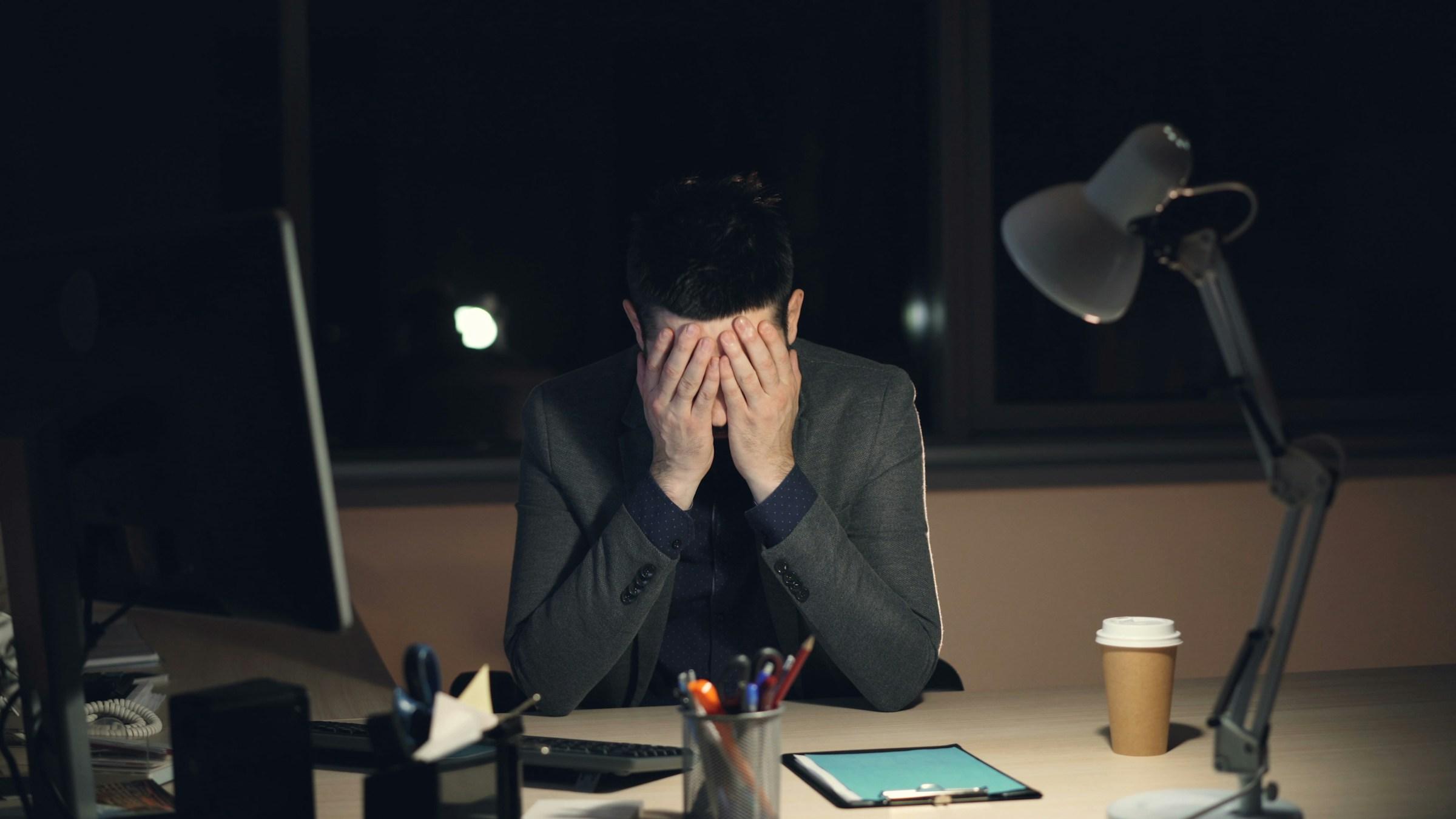
Poor work-life balance among UK employees rarely appears overnight as a dramatic breakdown. More often, it develops quietly through small boundary leaks that slowly become normal. A busy project becomes a permanently busy year. A few late replies become an always available reputation. A temporary push becomes the default way work gets done. Over time, people do not just work longer. They also recover less, and that imbalance between load and recovery is where the real damage begins.
In many UK workplaces, poor work-life balance hides behind reasonable explanations. Teams are understaffed, clients are demanding, deadlines keep moving, and the cost of living pressure makes it harder to say no. These pressures are real, but the danger begins when employees respond by sacrificing rest to keep up. Recovery starts to feel like something that must be earned rather than something necessary to function. When that mindset takes hold, the earliest signs usually show up in subtle changes to energy and behaviour.
One of the first signals is that rest no longer restores you. Someone may sleep for the usual number of hours yet still wake up tired, heavy, or mentally foggy. Weekends stop feeling like a reset, and the thought of Monday creates tension even before the week has started. This is often paired with a sense of being constantly switched on. The employee checks email reflexively, opens messaging apps without a clear reason, or feels a jolt of stress whenever a notification appears. These are not quirks of personality. They are signs that boundaries have become so thin that the mind cannot fully step away from work mode.
Irritability is another common symptom that people often misinterpret. In a balanced week, small problems remain small. In a depleted week, minor friction feels personal. Routine questions sound like demands, and everyday requests feel like the final straw. This shift matters because it can create conflict at work and at home, and it can also be mistaken for a character flaw. In reality, it is frequently the emotional result of running on too little recovery for too long.
Poor balance also tends to narrow a person’s life outside work. Social plans become harder to maintain, and cancelling starts to feel like relief rather than disappointment. Hobbies that once felt enjoyable can begin to feel like another task. Even when there is free time, the person may struggle to decide what to do with it. Instead of choosing an activity that restores them, they drift into scrolling, mindless television, or zoning out. This is not laziness. It is often decision fatigue after a day filled with constant demands and mental switching.
A major sign in modern UK work culture, especially in hybrid and remote settings, is when the workday expands without permission. The start of the day may remain normal, but the end becomes blurred. A person finishes one more thing at 6:30, replies to a message at 8:45, then tweaks a document at 10:15 because it will bother them otherwise. If this happens occasionally, it may simply reflect a busy period. If it becomes routine, it signals that work is no longer contained within working hours. Without a commute or a physical separation between office and home, the boundary has to be intentional, and many employees are not supported enough to keep it intact.
Time off becomes another revealing area. When work-life balance is poor, holidays stop functioning as real breaks. Employees may take leave but continue thinking about what is waiting for them. They check email just in case, or they return to a backlog that makes the break feel pointless. Some even plan annual leave around deadlines rather than around their lives. If someone comes back from a holiday and feels behind within hours, it suggests that the workload and expectations never truly paused, and that rest is being treated as optional rather than essential.
Cognitive changes are also common, and they can be especially unsettling because people may assume they are becoming less capable. An employee might reread the same email multiple times, forget why they opened a tab, or make small errors they rarely made before. They may procrastinate on starting tasks not because they do not care, but because their brain resists effort when it is already depleted. Many people respond by working longer to compensate, which deepens the cycle by further reducing recovery.
The body often provides signals long before a person admits there is a problem. Poor work-life balance can show up as headaches, jaw tension, back pain, stomach issues, disrupted sleep, or frequent colds. People may rely on caffeine to function through the day and then rely on alcohol, snacks, or late-night scrolling to switch off at night. None of these habits alone proves imbalance, but when they become patterns, they indicate that stress is being carried physically and that the nervous system is not getting enough time to reset.
Relationships can start absorbing the cost of work overload. Employees may be physically present at home but mentally still at work. They listen without truly absorbing, respond with distraction, or repeatedly apologise for being busy. Over time, this creates tension not because loved ones are demanding too much, but because work has quietly expanded into the space where connection and rest should live. When this happens, the impact is not limited to the employee. It affects family dynamics, friendships, and the sense of stability outside work that people rely on to cope.
Work performance can distort in ways that are easily misunderstood. Some people slow down or struggle with motivation. Others become hyper-productive in a brittle, reactive way. They deliver urgent tasks but lose the space for strategic thinking and long-term planning. They stop mentoring, stop improving processes, and focus only on what keeps the day from collapsing. For managers, one strong signal is when they start doing work their team should own because it feels faster than delegating. That may relieve pressure in the moment, but it turns the manager into a bottleneck and increases overload over time.
Another pattern that appears in UK workplaces is presenteeism disguised as professionalism. People stay online to be seen rather than because the work truly demands it. They respond quickly to prove reliability and accept meetings they do not need because declining feels risky. They provide overly detailed updates because they do not trust that a simple confirmation will be enough. These behaviours are not just individual habits. They often reflect unclear expectations, weak boundaries, or low trust within the culture.
A practical way to evaluate balance is to look beyond hours and examine dependence. If an employee feels that everything would break if they stepped away for two weeks, that is not proof of value. It is proof that the workload is over-centralised and the system is fragile. Another revealing question is what happens in the first ten minutes after work ends. If the person immediately checks email, refreshes messages, or mentally lists tomorrow’s tasks, it suggests they have no reliable off-ramp. Healthy balance requires an off-ramp, not just fewer tasks. In the later stages, poor work-life balance can lead to emotional flattening. This is not always sadness or panic. It can be numbness. The person stops feeling excited by good news, stops feeling proud after achievements, and moves from task to task without any sense of completion. When someone says they do not feel like themselves, it is often because coping has become their identity, and they have forgotten what normal energy and engagement feel like.
For UK employers, managers, and team leaders, these signs should be treated as feedback from the system, not as a personal weakness in the employee. Telling people to look after themselves rarely fixes a situation where the role is mis-scoped, expectations are unclear, or constant responsiveness is rewarded. Work-life balance improves when load is realistic, priorities are clear, boundaries are supported, and recovery is treated as part of performance rather than an optional extra. When those conditions exist, employees do not need to perform resilience. They are simply able to work, rest, and live without feeling like one area must always destroy the other.
 WhatsApp
 Instagram
 Threads