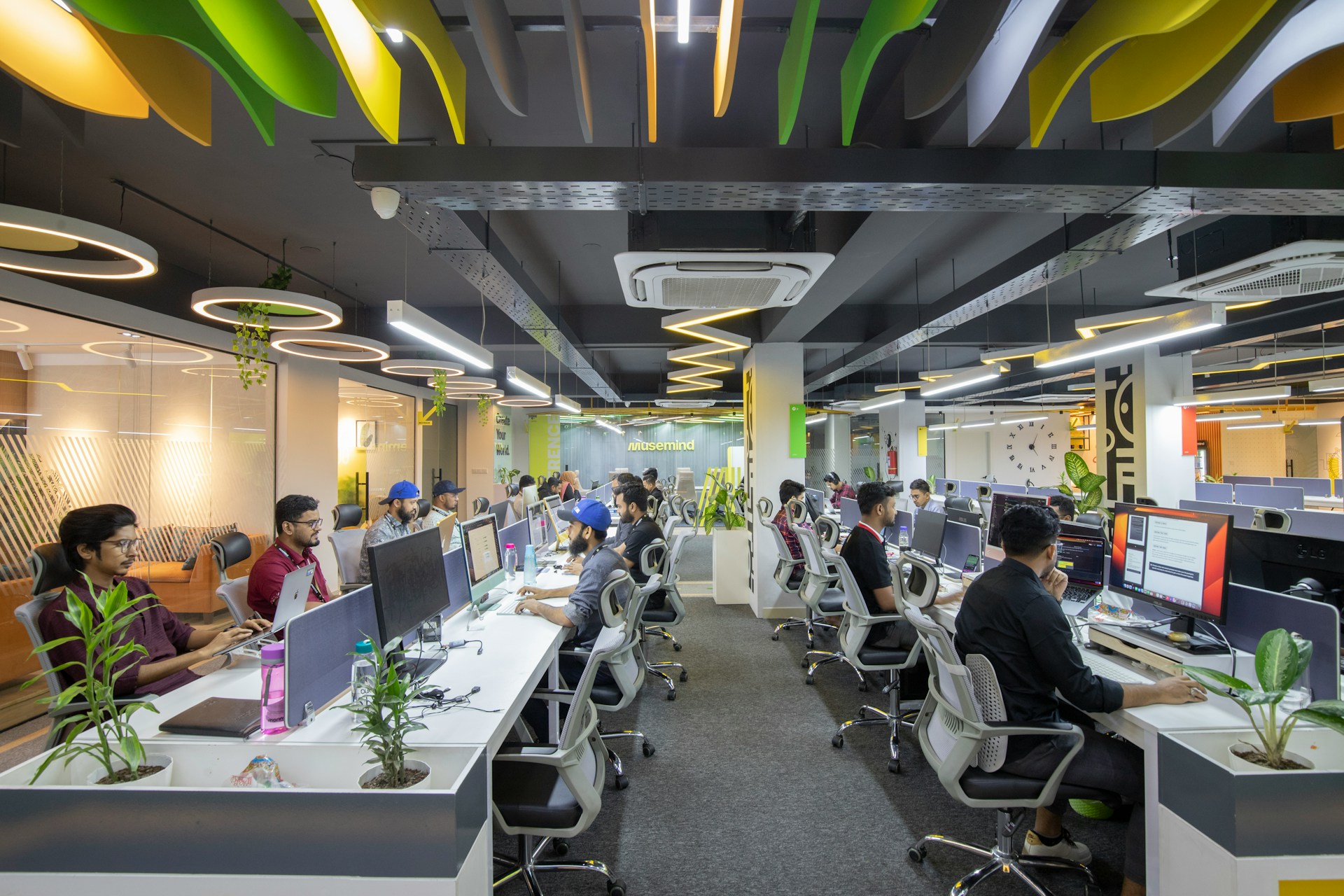
Improving workplace culture in Malaysia begins when employers stop treating culture as a slogan and start managing it as a daily system. Many organisations announce values and run engagement campaigns, but employees experience culture through what happens in ordinary moments, especially when pressure rises, priorities change, or mistakes occur. In those situations, people pay attention to what is rewarded, what is ignored, and what is tolerated. Culture is not the poster on the wall. It is the behaviour that repeats because the workplace structure makes it easy or necessary to repeat.
A practical way to strengthen culture is to define what “good” looks like in clear, observable terms. Words like collaboration, ownership, and respect are too vague unless employers translate them into specific expectations. Collaboration might mean documenting decisions so everyone can follow progress, rather than relying on last minute messages. Ownership might mean having the authority to decide within a role, not simply being blamed when something goes wrong. Respect might mean giving people space to speak in meetings regardless of title, and addressing issues privately rather than publicly embarrassing someone. When expectations remain unclear, employees fill the gaps by protecting themselves. They become cautious, avoid taking initiative, and mirror the behaviour of whoever holds power.
Because many Malaysian workplaces operate with hierarchy and relationship dynamics that shape decision-making, culture improves fastest when employers reduce ambiguity. Teams struggle not because they lack motivation, but because rules seem to change depending on who is present. When employees cannot predict how decisions will be made, they become hesitant and overdependent on approval. This creates a slow and stressful environment where people spend more energy managing perceptions than producing results. Employers who want a healthier culture should focus on consistency in standards and communication, so the same behaviour is expected regardless of department or manager.
Managers play the most influential role in shaping workplace culture because culture often succeeds or fails in the middle of the organisation. Senior leadership may communicate inspiring messages, and frontline staff may genuinely want to do good work, but the day-to-day experience is determined by line managers. When managers are overloaded or evaluated only on output, they may rely on shortcuts such as unclear instructions, rushed decisions, delayed feedback, or avoidance of difficult conversations. Over time, employees learn that the safest strategy is silence. They do not share ideas early, they do not raise risks, and they wait until problems become serious before speaking up.
Employers can change this by building stable managerial habits that strengthen trust. Reliability matters deeply in workplace relationships, and it becomes the foundation for open communication. Simple routines such as regular alignment check-ins, structured one-to-one conversations, and non-punitive reviews after mistakes can create a more stable environment. These practices do not need expensive tools or complicated frameworks. They work because they make work predictable and make expectations visible. A manager who clarifies priorities, gives feedback early, and addresses conflict directly will naturally create a healthier culture, even without talking about culture at all.
Another major factor that shapes workplace culture in Malaysia is perceived fairness. Employees can often cope with busy periods and demanding targets if they believe standards are applied consistently. What damages culture quickly is when promotions feel political, when certain people receive exceptions without explanation, or when high performers are allowed to behave badly. In those settings, employees stop believing in the company’s values and start believing in the company’s tolerance. They may not resign immediately, but they begin to disengage quietly. They contribute less, avoid risk, and stop offering honest feedback because it no longer feels safe or worthwhile.
This is why employers must align their everyday decisions with their stated values. If respect is a core value but meetings are dominated by the most senior voice, the culture rewards hierarchy rather than contribution. If ownership is promoted but decisions are always escalated, employees learn that initiative is discouraged. If work-life balance is advertised but late-night communication is treated as normal, employees learn that availability is expected. Closing the gap between values and behaviour requires employers to audit how decisions are made, how performance is measured, and what behaviours are reinforced. Culture improves when employees see that leadership protects the system, not just the story.
Communication practices also matter. Many Malaysian teams operate across multiple languages and diverse styles of expression. Misunderstandings are common, but the deeper problem is often channel confusion. When instructions are scattered across email, messaging apps, and informal conversations, accountability becomes unclear. Employees then spend time chasing updates or guessing priorities. A stronger culture emerges when employers decide where decisions are recorded, where progress updates are shared, and what qualifies as an emergency. This reduces unnecessary interruptions, protects focus, and prevents burnout that comes from being constantly reachable across multiple platforms.
Feedback systems are another area where employers can make a meaningful difference. Employees often hear leaders say they want openness, but many workplaces unintentionally punish honesty. If feedback is only requested through surveys that lead to no visible change, employees learn that speaking up is a performance, not a pathway to improvement. If feedback is only delivered when mistakes become public, employees associate feedback with embarrassment. Trust is rebuilt when feedback becomes normal, specific, and followed by action. Employers should create at least one channel where employees can raise concerns safely and then see proof that issues are addressed. Even small improvements matter because they demonstrate that honesty is valued.
Role clarity and decision rights are also essential. Culture becomes stressful when people do not know who owns what. Teams over-coordinate, avoid responsibility, or accidentally duplicate work. In more hierarchical environments, unclear ownership can lead to quiet waiting because employees fear offending someone more senior or being blamed for overstepping. When employers clarify responsibilities and approval pathways, employees can move faster with more confidence. Collaboration improves when people are not negotiating authority in every conversation.
Inclusion should also be treated as practical behaviour rather than symbolic gestures. Malaysia’s diversity can strengthen workplaces, but only if employers address everyday dynamics that can exclude people. Inclusion shows up in who gets heard in meetings, how hiring and promotions are handled, and how managers respond to stereotypes or inappropriate comments. If employees feel they must constantly adjust their voice or identity to be taken seriously, culture becomes exhausting. Employers strengthen culture when they set clear behavioural boundaries and train leaders to intervene early, because silence often functions as permission.
Flexibility and wellbeing also shape workplace culture, especially as expectations change among younger workers. However, flexibility fails when it is treated as a perk rather than a work design approach. Allowing remote work means little if employees are expected to be constantly reachable, attend excessive meetings, and maintain output without better planning. Employers improve culture by reducing unnecessary meetings, clarifying deliverables, and designing better handoffs. Culture becomes healthier when boundaries are respected and employees do not feel their career progression depends on performative overwork.
Recognition is another powerful lever. When recognition is inconsistent, employees notice who is praised and who is overlooked. People doing quiet but essential work may feel invisible, while those with more visible roles receive credit more easily. This can create resentment and internal competition. Employers can improve culture by building recognition practices that reinforce the behaviours the organisation truly needs, while also recognising that different employees respond differently to public versus private acknowledgement. The goal is not to imitate trendy rituals, but to make appreciation consistent, fair, and aligned with priorities.
Ultimately, employers improve workplace culture in Malaysia by treating culture as a design choice. HR can support with policies and programmes, but culture is created through leadership behaviour, manager routines, decision-making standards, and work systems. The most reliable sign of a healthy culture is predictability. Employees should be able to predict what will happen if they raise a concern, disagree respectfully, or admit a mistake. When people can predict fairness and response, they feel safer. When they feel safer, they contribute more. When they contribute more, performance improves naturally. Culture is not a mood employers hope for. It is a system they build and maintain through consistent choices.
 WhatsApp
 Instagram
 Threads