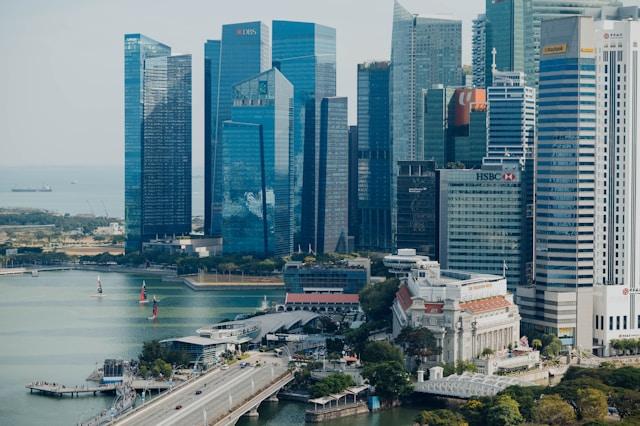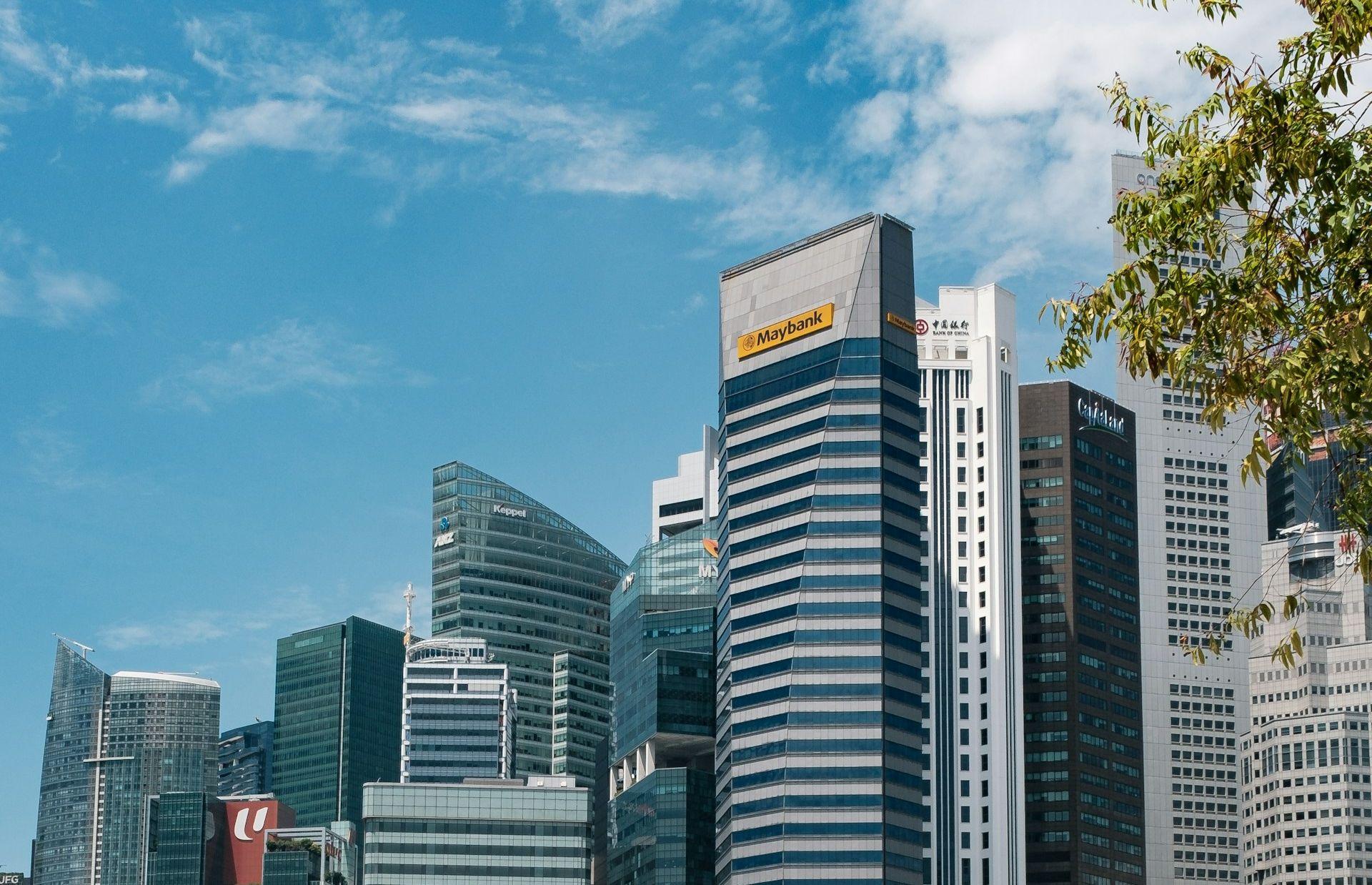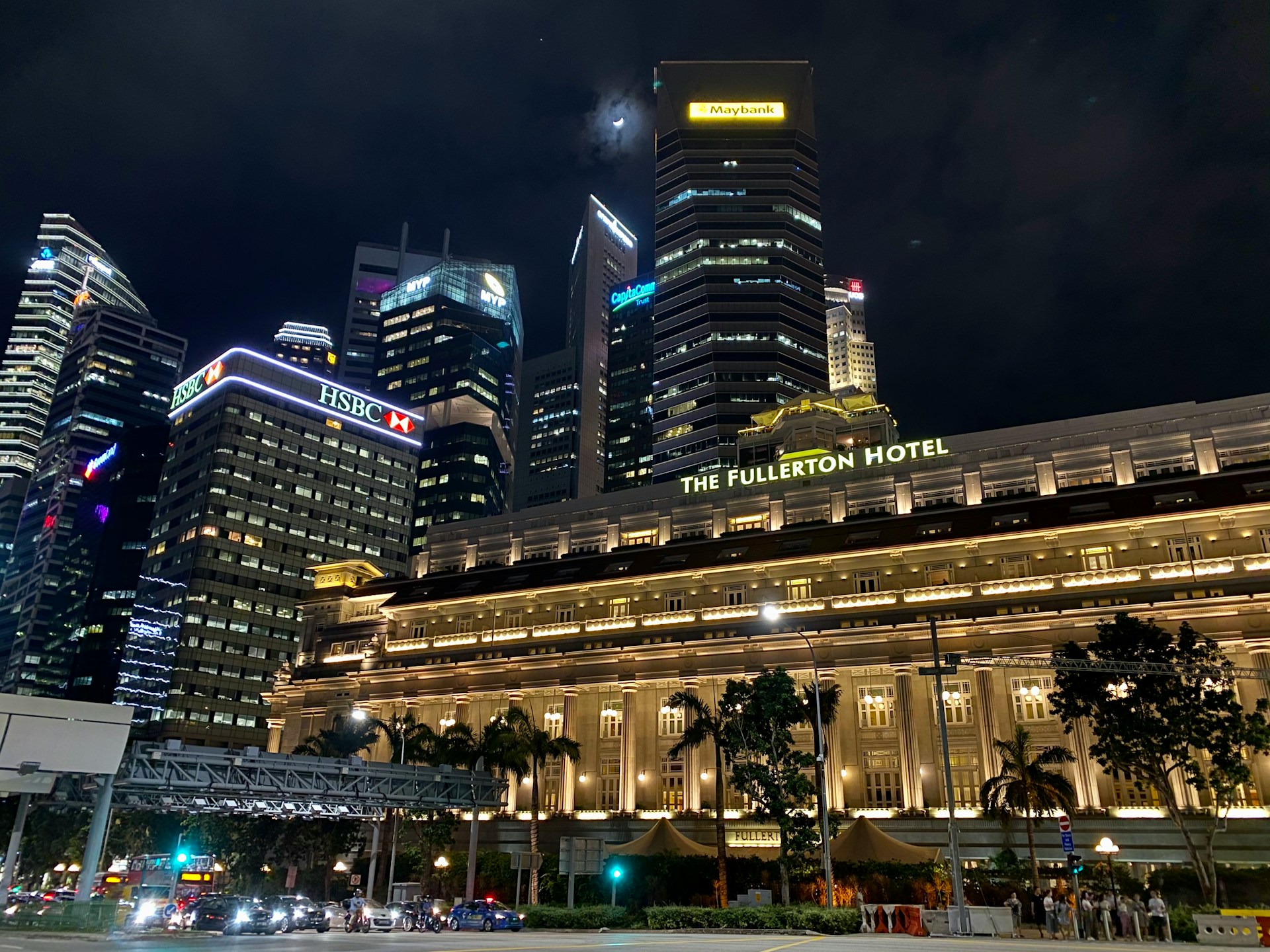
Singapore is often described as a global financial hub, but the real explanation is less about glossy skyline imagery and more about how reliably the city functions as a platform for money, risk, and cross border activity. Financial centers do not become important simply because they have many banks. They become important when global institutions consistently choose them as the place to price, move, protect, and grow capital, especially when markets turn uncertain. Singapore has earned that role by making the fundamentals of finance work smoothly, predictably, and at scale.
At the heart of any financial hub is trust. Finance runs on confidence that contracts will be honored, disputes can be resolved, supervision is serious, and rules are applied in a steady way. Singapore’s regulatory environment has built a strong reputation for clarity and credibility, which matters because global financial firms cannot afford to base major operations in a place where expectations change abruptly or enforcement feels inconsistent. When institutions decide where to locate regional headquarters, treasury functions, or investment teams, they are really deciding where they can operate with minimal regulatory surprise and maximum certainty. Singapore’s appeal is that it reduces that uncertainty, which lowers friction for global players and makes it easier to commit long term.
Trust then supports liquidity, and liquidity is what turns a well run market into a global one. Singapore has developed deep activity in foreign exchange and related markets, and this matters because currency trading is a foundational layer for international business. Multinationals constantly convert currencies, manage exposure, and hedge risks as they pay suppliers, collect revenue, invest abroad, or raise capital. A place with strong currency liquidity becomes more valuable the more people use it, because greater volume tends to tighten pricing and deepen the range of products available. Over time, this creates a reinforcing cycle. More flows attract more market makers, more market makers improve efficiency, and improved efficiency attracts even more flows. In practical terms, Singapore has become a place where global firms can route and manage currency risk with confidence, which strengthens its position in the wider financial network.
Singapore’s geographic and operational position also helps it serve as a connector between regions. The global trading day moves in waves across time zones, and Asia needs locations that can anchor activity while Europe and the United States are offline. Singapore’s timing and connectivity allow it to play that role. It is not replacing New York or London, but it does offer a reliable base for institutions that need Asia coverage paired with global integration. For firms coordinating across multiple markets, that ability to manage operations across the world’s financial day is not a small advantage. It can mean faster decisions, smoother execution, and better risk control.
Beyond flows in currencies and trading, Singapore has also built significant strength in wealth and asset management. This part of the story is crucial because global financial hubs are not only trading centers, they are also places where long term capital is allocated. When asset managers, private banks, and family offices cluster in one place, they create an ecosystem that becomes increasingly efficient for everyone involved. Investors benefit from access to a wide range of strategies and products, managers benefit from proximity to allocators and service providers, and the broader market gains depth in expertise. Over time, that clustering becomes sticky. Once an ecosystem reaches a certain scale, leaving it becomes costly because firms would have to rebuild networks, talent pipelines, and operational infrastructure elsewhere.
Singapore has also invested in practical legal and financial structures that reduce friction for global participants. A financial hub does not grow only by attracting institutions, it grows by making it easy for those institutions to launch products, serve clients, and structure investments without unnecessary complexity. When a jurisdiction offers clear vehicles for funds and wealth structures, it shortens the distance between intent and execution. This matters more than many people realize because financial services is often slowed down by setup and compliance burdens. If Singapore can help firms move from planning to operating faster while maintaining high standards, it becomes a more attractive base for regional and global strategies.
Another reason Singapore’s hub status holds is that its finance industry is closely tied to real economic activity, especially trade. Singapore sits along major trade routes and has long been an important node for shipping, commodities, and regional supply chains. Trade creates constant demand for financial services. Companies need trade finance to move goods, insurance to protect shipments, and hedging tools to manage exposure to price swings in commodities or currencies. When finance is anchored to these real world needs, it becomes more resilient because activity does not depend solely on market sentiment. The daily requirements of trade and commerce generate continuous demand for sophisticated financial services.
None of this works without talent and density. A global financial hub is not just a set of rules and buildings, it is a concentration of specialists who know how to execute complex work. Singapore offers a deep pool of professionals across banking, asset management, law, accounting, compliance, technology, and risk management. That concentration creates a powerful advantage because institutions can hire quickly, scale teams, and solve problems using local expertise. It also means decision makers can sit closer to the action. Deals move faster when the right people are in the same place and the supporting ecosystem is already built.
Singapore’s reputation is also strengthened by how it balances openness with selectivity. Financial centers face a constant tension. If regulation is too loose, trust erodes. If it becomes too restrictive, innovation slows and firms look elsewhere. Singapore has generally aimed to preserve credibility while still enabling growth. That balancing act helps explain why global institutions remain comfortable routing significant activity through the city. They see a system that wants to be competitive, but not at the expense of stability and governance.
Taken together, these factors explain why Singapore is considered a global financial hub. It combines a trusted environment with deep and useful markets, strong connectivity to global finance, a thriving ecosystem for wealth and asset management, practical structures that reduce operational friction, and a close link to trade and real economic activity. Underneath all of those features is a simple idea: repeatability. Singapore has built a reputation as a place where institutions can operate through cycles without constantly rewriting their playbooks. In finance, that kind of reliability is rare, and when it exists, it becomes a powerful magnet for capital, talent, and long term commitment.
 WhatsApp
 Instagram
 Threads