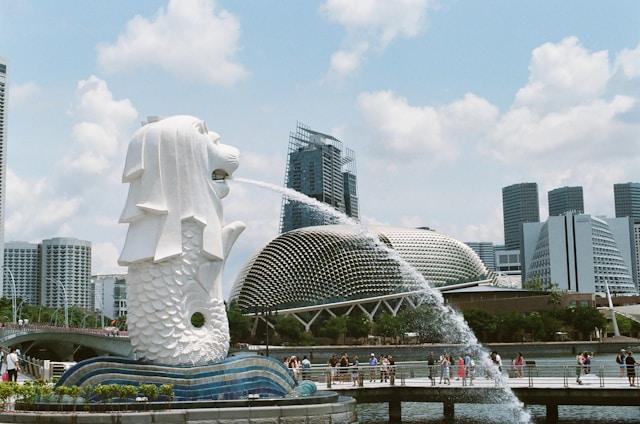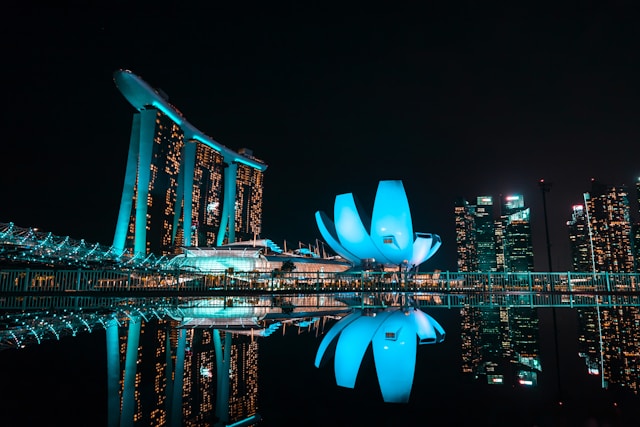
Tourism in Singapore is often described as a feel good sector, a nice backdrop of skyline photos, hawker food, and shopping streets. In reality, it functions much more like an economic engine that helps a small, trade dependent city generate income from the outside world. When visitors arrive, they bring in spending that behaves like an export. The money is earned locally, but it originates overseas. That distinction matters because it means tourism can widen the country’s economic base without relying on land, natural resources, or heavy manufacturing.
At its core, tourism contributes to the economy through direct spending. A visitor pays for accommodation, meals, attractions, transport, and entertainment. They also spend on shopping, guided experiences, and sometimes medical, educational, or family related travel services. Each transaction becomes revenue for businesses operating in Singapore. Hotels, restaurants, museums, tour operators, transport providers, and retailers all benefit, and the flow of revenue supports wages, rent payments, reinvestment, and tax contributions. Even when a tourist’s itinerary looks simple on the surface, the spending spreads quickly across multiple layers of the economy.
This is why tourism is best understood as a network rather than a single industry. The visitor is not just a customer of a hotel or an attraction. They are the demand source that activates a whole chain of suppliers and service providers. A hotel relies on laundry services, food suppliers, housekeeping contractors, maintenance teams, security, booking platforms, and marketing agencies. Restaurants rely on ingredients, logistics, kitchen equipment, and staff training. Events and concerts rely on staging, audio visual vendors, lighting, ticketing systems, crowd control, and venue operations. Tourism spending, in other words, does not stop at the front desk or the cashier. It circulates through many firms, including small and medium enterprises, and that circulation is one reason tourism can have an outsized effect in a services heavy economy.
Employment is another major channel. Tourism is inherently labor intensive, which makes it a powerful job creator across a wide spectrum of skills. It provides entry level opportunities in hospitality and customer service, but it also supports higher skill roles in revenue management, event production, culinary leadership, brand marketing, and operations planning. The sector creates not only jobs, but also career ladders that can help workers move from frontline roles into supervisory and specialist positions. In a city that constantly needs to keep employment resilient and adaptable, tourism offers a broad base of work that connects to many other services sectors.
Singapore’s tourism model also strengthens the economy by supporting connectivity. A strong visitor market helps justify high flight frequency, diversified routes, and steady seat capacity. That connectivity benefits tourists, but it also benefits business travel, regional headquarters operations, and cross border deal making. When executives and teams can travel in and out easily, the city becomes more usable as a place to hold meetings, manage regional operations, and build partnerships. In that sense, tourism demand reinforces Singapore’s role as a hub. It keeps the transport ecosystem active, and it helps sustain the reputation of being a city that is easy to reach and easy to navigate.
Business events, conventions, and exhibitions add another layer that is especially valuable to Singapore. MICE tourism tends to be higher yield, because business visitors often spend more per day and create concentrated demand for hotels, meeting venues, catering, and professional services. These events also generate spillovers that go beyond travel spending. When international delegates gather in Singapore, the city becomes a place where partnerships form, investments are explored, and new projects can be initiated. Tourism, in this form, overlaps with economic development. It is not merely about leisure. It is about positioning Singapore as a convening node where industries meet and decisions get made.
The hospitality sector itself also matters as a form of capital and infrastructure. Hotels are long term investments with high operating costs and high expectations for service standards. When tourism demand is healthy, it supports occupancy and pricing power, which in turn supports refurbishment, new openings, and continuous upgrading. That upgrading improves the visitor experience, but it also benefits local residents through better public spaces, better dining options, and improved precinct development. Over time, the city becomes more attractive not only to tourists but also to companies and talent deciding where to base themselves.
Tourism also contributes through brand and global mindshare, which sounds intangible until you see how it affects real choices. A city that hosts major concerts, global sports events, and well run conventions sends a signal about reliability and execution capability. That signal matters to investors and multinational companies, because it suggests the city can handle complexity, manage logistics, and deliver a consistent experience. When tourism is designed around quality and repeat visitation, it becomes a form of reputation building that supports the wider economy, including sectors far removed from hospitality.
Singapore’s approach has increasingly leaned toward value density rather than pure volume. Instead of competing only on being cheaper or larger, the city focuses on experiences that encourage visitors to stay longer, spend across more categories, and return for new reasons. A strong calendar of events, a steady pipeline of exhibitions, and a mix of lifestyle programming help smooth demand across the year. This reduces the risk of overdependence on a single peak season and helps businesses plan capacity, staffing, and investment more sustainably. From an economic standpoint, stability is valuable because it reduces volatility in employment and business revenues.
There is also a feedback effect that strengthens the broader system. Tourism forces constant attention to service quality, safety, cleanliness, and urban efficiency. If immigration processes are slow, public transport confusing, or customer experience inconsistent, tourism performance can suffer quickly. Singapore’s emphasis on operations, planning, and measurement helps it refine these touchpoints, which improves the city for both visitors and residents. In that sense, tourism can act like a continuous stress test for the city, pushing upgrades that raise overall competitiveness. None of this means tourism is risk free. Like any sector connected to global mobility, it is vulnerable to external shocks, from health crises to geopolitical tensions and aviation disruptions. That is why Singapore’s tourism strategy tends to be integrated with resilience planning and diversification. The goal is not to treat tourism as a fragile luxury, but as a structured part of the economy that can recover quickly, adapt to new visitor preferences, and evolve with regional competition.
In the end, tourism contributes to Singapore’s economy in several intertwined ways. It brings in external spending that functions like services exports, it supports a large and diverse employment base, it creates multiplier effects that sustain many supporting businesses, and it strengthens connectivity that benefits the wider business environment. It also builds global brand strength and reinforces Singapore’s identity as a well run hub for both leisure and work. When you see tourism through this lens, it becomes clear that it is not merely about attracting visitors. It is about designing a durable stream of value that feeds into the country’s broader economic strategy.
 WhatsApp
 Instagram
 Threads