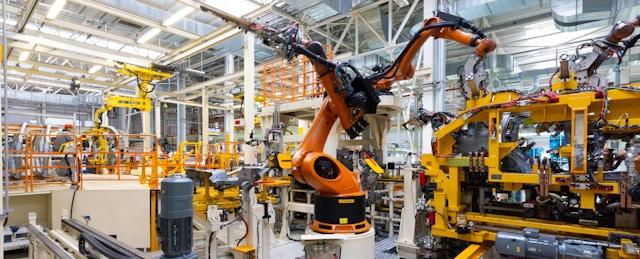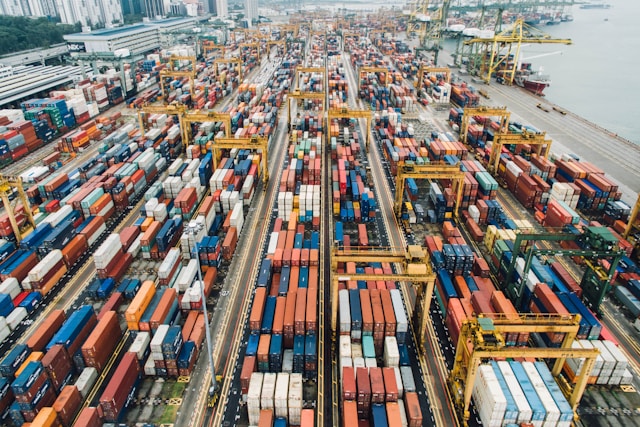
The supply chain matters to businesses because it is the system that turns commercial ambition into real-world delivery. A company can have a strong product, persuasive marketing, and a talented sales team, but if the flow of materials, information, and finished goods breaks down, growth stalls and customer trust erodes. In many organisations, the supply chain is still treated as a back-office function, yet it is closer to an operating system. It determines whether a business can source what it needs on time, produce consistently, keep shelves stocked, fulfil orders reliably, and respond quickly when conditions change.
One of the clearest reasons the supply chain is important is profitability. Many costs that shape margins sit inside supply chain decisions, even when they do not look dramatic on a spreadsheet. The price of raw materials is only the beginning. Delays can trigger expensive last-minute air freight, stockouts can force lost sales, excess inventory can lead to discounting, and quality issues can create waste or rework. Two competitors can sell similar products at similar prices, yet produce very different results because one has a well-designed supply chain that reduces surprises, while the other absorbs constant hidden costs from poor planning and reactive firefighting. In this sense, supply chain strength is not only about moving goods efficiently. It is also about protecting margins from the everyday friction that quietly drains performance.
Cash flow is another reason supply chains shape business outcomes. Inventory, lead times, and payment terms directly influence working capital. When a company must purchase stock far in advance, it is effectively financing future sales with current cash. Longer lead times often require holding more safety stock, tying up money that could otherwise be invested in growth, marketing, product development, or hiring. Delays also affect timing, pushing revenue recognition later while operating expenses continue. Even for businesses that are not traditionally thought of as inventory-heavy, supply chain commitments still influence cash planning through vendor contracts, equipment procurement, and the ability to meet delivery milestones that trigger billing. A strong supply chain, therefore, supports not only operational stability but financial flexibility.
Customer experience is where supply chain performance becomes visible. Most customers do not separate logistics from brand. If a product is frequently out of stock, arrives late, or cannot be returned smoothly, customers experience it as a broken promise. Reliability is a form of service, and service is a form of reputation. In competitive markets, a company’s ability to deliver consistently often matters as much as the product itself. A supply chain that can meet delivery expectations, handle demand spikes, and manage returns efficiently helps build trust. Trust then becomes a repeatable advantage, turning first-time buyers into loyal customers and reducing the cost of acquiring new ones.
The supply chain also matters because it is a major source of risk and resilience. Modern business conditions are rarely stable for long. Disruptions can come from geopolitical tension, regulatory changes, extreme weather, labour shortages, cyber incidents, or sudden swings in shipping costs and capacity. Businesses cannot prevent every disruption, but they can decide whether they will be fragile or adaptable. Resilient supply chains are built with options, such as alternative suppliers, flexible production arrangements, diversified transport routes, and inventory policies that match risk exposure instead of habit. Resilience reduces the chance that one unexpected event turns into weeks of missed revenue and customer dissatisfaction.
Beyond disruption, the supply chain increasingly carries reputational and compliance risk. Many stakeholders now expect businesses to understand how products are sourced and produced, not only what they sell. Issues such as traceability, quality control, environmental impact, and labour practices sit within supply chain networks. If a supplier fails ethically or operationally, the brand owner often bears the public consequences. This means supply chain management is also governance. It requires visibility into suppliers, clarity on standards, and enough oversight to catch problems early. As expectations rise, transparency and accountability in supply chains become part of a company’s licence to operate.
Supply chains also enable speed, which is a competitive advantage in most industries. Growth strategies such as entering a new market, launching a new product, or responding to changing consumer demand depend on operational readiness. A company needs the right suppliers, compliant packaging and labelling, transport capacity, warehouse space, and reliable inventory data. Without these, strategic plans turn into delays and disappointments. With them, companies can adapt quickly and capture opportunities while competitors are still trying to organise their resources. Speed is often discussed as an innovation trait, but in practice it is frequently a supply chain capability.
Although technology can support better supply chains, the real value comes from management discipline. Forecasting tools cannot fix a business that does not align sales, operations, and finance around one realistic demand plan. Warehouse systems cannot help if product data is inaccurate. Supplier platforms will not reduce risk if procurement incentives focus only on the cheapest price rather than overall reliability and total cost. Strong supply chains rely on clear decision-making, aligned incentives, and cross-functional coordination. They require the business to choose deliberately where it wants efficiency, where it needs redundancy, and how it balances cost with service levels.
Ultimately, the supply chain is important because it determines whether a company can keep its promises at scale. It shapes margins, cash flow, customer trust, resilience, compliance exposure, and the speed at which strategy becomes reality. When the supply chain is weak, leaders spend their time firefighting shortages and delays, and teams become reactive rather than innovative. When it is strong, the business gains stability and flexibility at the same time. It can grow with confidence, adapt under pressure, and build a reputation for reliability that customers and partners can trust.
 WhatsApp
 Instagram
 Threads