China export growth slows in August, and the moderation arrives with a clear policy signal. External demand is not falling off a cliff, yet the pricing of tariff risk and the mechanics of shipping are eroding momentum that had briefly improved in July. Customs data show exports rose 4.4 percent year on year in August, the weakest pace in six months; imports rose 1.3 percent, and a 90-day tariff truce extension has not restored the impulse that once came from the United States consumer. The surplus remains large, but the reacceleration seen in July did not carry through.
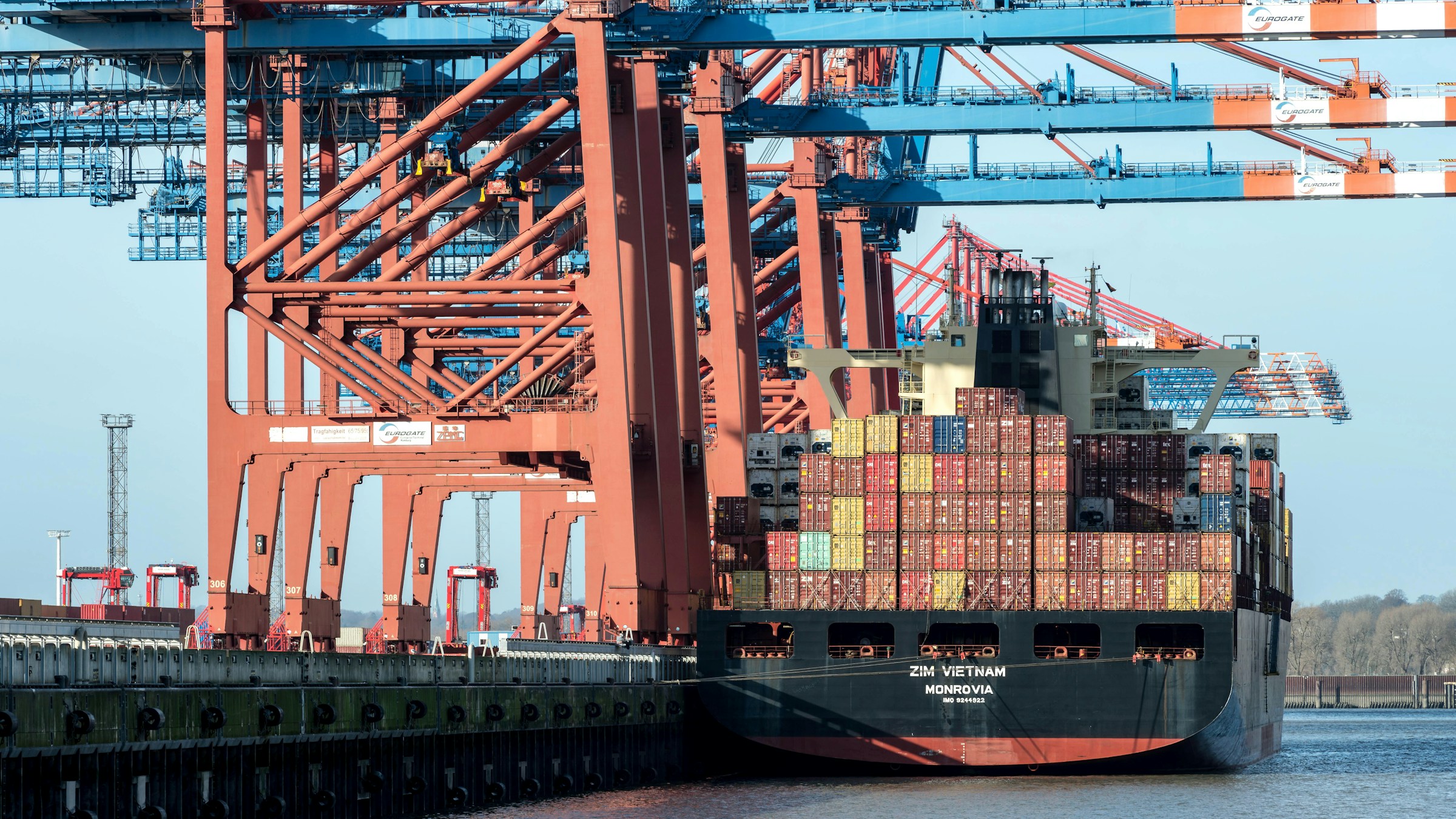
The macro trigger is straightforward. After a July rush to ship ahead of looming tariff milestones, August reveals the underlying friction. The marginal buyer in the United States is hesitating, logistics providers are recalibrating sailings, and Chinese exporters are testing secondary markets. That pivot is rational, but it does not replace the scale of the United States. Reuters notes that departures of China–United States container vessels fell 24.9 percent year on year in the first 15 days of September, a deterioration from the prior reading, which underscores how order books and sailing schedules are being re-cut in real time.
Exposure is concentrated in the familiar channels. Electronics, machinery, and consumer durables remain sensitive to tariff headlines and to any tightening in rules on transshipment through Southeast Asia or other hubs. The July outperformance was helped by firms bringing forward shipments during a fragile truce window and before additional sector-specific measures, such as higher duties on chips and health-related products, could bite. That intertemporal pull-forward has faded, which explains why the August growth rate retraced toward mid-single digits even as the truce was extended.
Policy is cushioning, not supercharging. The People’s Bank of China has kept the daily yuan fix tight near 7.10 to damp volatility, a posture that reduces imported inflation risk while preserving some competitiveness. Liquidity support has been delivered through rate reductions and repo operations, and officials have instructed lenders to maintain credit to foreign trade firms. These steps do not solve demand shortfalls, yet they help keep working capital lines open and rollover risk contained for exporters that still face lengthening receivable cycles.
Freight markets have adjusted in parallel. Spot rates on Asia to United States lanes have been sliding as capacity outpaces bookings, a sign that carriers are blanking sailings and repricing quickly. Lower freight costs partially offset tariff burdens, but they also reflect weaker forward volumes on United States routes. This is consistent with the sharp decline in United States-bound departures and with the modest import growth print inside China, which together point to a cautious global goods cycle rather than an outright shock.
The risk vector that matters for allocators is legal and political. United States tariff architecture is now under courtroom scrutiny, with recent appeals court rulings finding that broad tariffs imposed under emergency powers exceeded executive authority. The administration has appealed to the Supreme Court, and Treasury has acknowledged the refund exposure if those rulings are upheld. For exporters and their lenders, this legal overhang sustains uncertainty about rate levels, carveouts, and timing, which bleeds into pricing terms and hedging appetite during contract renewals.
For regional actors, the August trade print is a reminder to separate sentiment from system effects. Singapore and other re-export hubs will capture some diversion, but the depth of the United States market is not easily replicated by Asia, Africa, or Latin America in the near term. Supply chains can reroute, not reinvent, within a quarter. That is why China’s exporters leaned on the July window, and why the subsequent cooling does not necessarily imply structural loss of share, only a repricing of risk until the policy path is clearer.
What it signals is measured. First, tariff uncertainty is showing up more through logistics and financing channels than through price collapse, which changes how policymakers should target support. Second, currency management and liquidity tools are containing second-order stress, yet they are not a substitute for clarity on trade rules. Third, sovereign allocators will read the August moderation as a function of policy friction rather than demand destruction, which argues for patience on China exposure resets while keeping a closer watch on legal milestones in Washington. The posture may look steady, but the signaling is cautious.
 WhatsApp
 Instagram
 Threads





.jpg&w=3840&q=75)