Singapore is still hiring, but the way companies choose who to bring on board has changed in quiet, important ways. Many jobseekers still picture hiring as a straightforward pipeline of CVs, interviews and offers. In reality, the process is now shaped by policy frameworks, skills based filters, AI tools and evolving ideas about flexible work. If you are still sending out a generic CV with a one size fits all cover letter, you are playing a very different game from the one employers are actually running.
The first thing to understand is that the job market is not frozen. Employers in Singapore continue to recruit, and many still plan to expand headcount, especially in key sectors like technology, finance, healthcare and professional services. At the same time, they are more cautious about permanent headcount than they were in earlier, more optimistic years. You see more contract roles, more project based opportunities and more emphasis on internal redeployment before external hiring. In this environment, every new hire must be justified, not only on the basis of talent, but also on cost, flexibility and risk.
That makes the bar for candidates higher. Singapore jobseekers are no longer just competing with others in the same city. Remote work, regional hubs and cross border teams mean you may be compared with talent from other markets as well. On top of that, parts of your role may be supported or replaced by AI tools. Employers are asking themselves whether they should hire one experienced professional, two juniors supported by automation, or a different mix altogether. If you do not understand that you are entering a more strategic, more calculated hiring environment, you will misread the signals you receive.
Beneath the surface of every job ad sits a layer of policy and compliance that many candidates ignore. Hiring in Singapore operates within clear guidelines that aim to ensure fair consideration of candidates in Singapore and to prevent discrimination on grounds such as age, gender, nationality or race. For roles that may require an Employment Pass, most employers must advertise the position for a minimum period on designated platforms before they can even submit a visa application. When you see a role on a job board, it is not always the first time the company has thought about filling that job. Sometimes a preferred internal or external candidate already exists and the advertisement is part of a regulatory requirement.
This does not mean those postings are meaningless, but it does mean you should be realistic about what they represent. The same policy frameworks also push employers to be more disciplined in how they define roles. Job descriptions increasingly reflect carefully considered lists of responsibilities, skills and outcomes, rather than vague catch all phrases. When you read a Singapore job ad today, you are often looking at the result of internal discussions about which skills matter most and how they will be evaluated.
Another policy driven shift relates to flexible work. Singapore has moved toward a more structured way of handling flexible work arrangement requests. Employees who have completed probation can now submit formal requests for flexibility, and employers must respond within a defined process and provide reasons if they decline. This does not mean every role can be performed from home, and it does not give workers an automatic right to remote work. It does, however, turn flexibility into a governed conversation rather than a casual favour from a sympathetic manager. For jobseekers, this means that when you discuss hybrid or remote options, you are stepping into a space that is both cultural and regulated. How you frame your request matters. If you can show that your preferred arrangement supports productivity, client needs and team rhythms, you are more likely to gain traction.
Perhaps the most important structural change in current hiring practices in Singapore is the growing emphasis on skills first hiring. Government agencies, major platforms and employers are all moving toward a model where skills are the primary currency, not job titles alone. Official job portals increasingly highlight skills alongside roles and promote upskilling pathways and conversion programmes. Employers are encouraged to think about the capabilities they really need and to consider candidates who may not have the traditional degree or title but can show relevant competence.
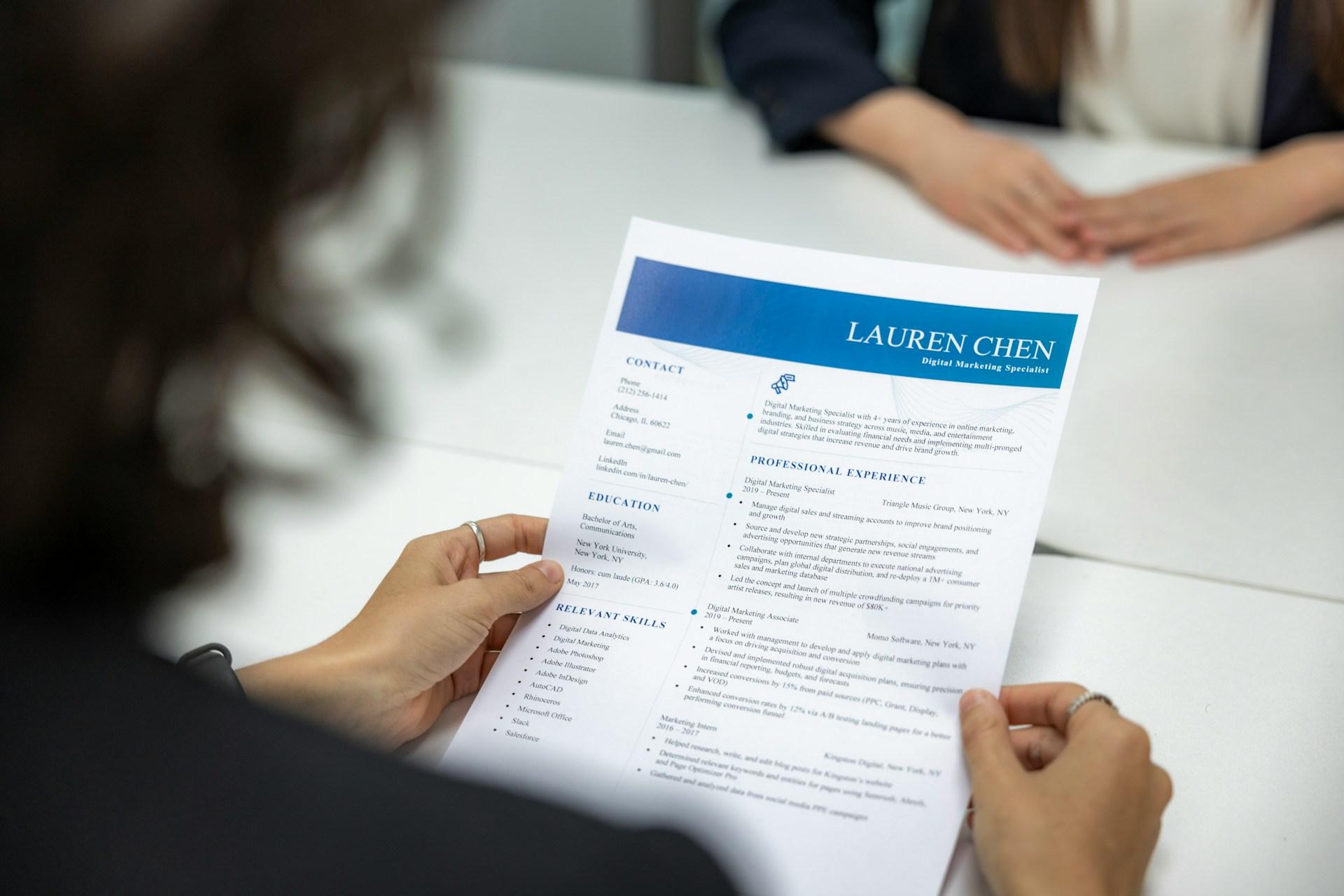
For jobseekers, this changes the way you should tell your story. A CV that simply lists responsibilities and years of experience is no longer persuasive. Employers want to see the problems you have solved, the tools and technologies you have used, and the contexts in which you have operated. They are interested in learning agility: the courses you have taken, the lateral moves you have made, the new domains you have picked up. If you are mid career and have invested time in SkillsFuture courses, industry recognised certifications or career conversion programmes, you have evidence that fits this skills first narrative. The key is to bring it to the front of your application instead of leaving it to the end as an afterthought.
AI is another layer that is quietly reshaping recruitment. Many people imagine that every company now uses sophisticated AI to scan CVs and run interviews. The reality in Singapore is more uneven. Some employers are experimenting with AI screening tools and automated video interview platforms, while others rely on more traditional processes. Surveys suggest that a significant share of organisations either use AI minimally or are still exploring how to adopt it. At the same time, global research makes it clear that AI use at work is becoming the norm, with a large majority of employees using some form of AI tool and many doing so daily.
For a candidate, this duality has several consequences. You should assume that your CV might pass through an applicant tracking system or other automated filters even if the final interview is entirely human. Clean formatting, clear section headings and language that mirrors the critical requirements of the job description help both machines and people to recognise you as a relevant candidate. You should be prepared for AI linked assessments, such as automated video interviews, online tasks and chatbot based screening. These tools can feel impersonal, but they reward clarity, structure and concise examples. Practicing how you speak about your experience in short, behaviour based answers becomes essential.
There is also a growing expectation that you can work alongside AI tools, not just coexist with them. If you use AI to draft documents, analyse data, summarise reports or automate recurring tasks, those examples now matter. Instead of treating AI as a secret shortcut, be ready to explain how you have used it to save time, improve quality or support better decisions, while maintaining human judgment and responsibility. Employers are increasingly explicit that they value people who can harness AI productively rather than fear it or pretend it will not affect their role.
Flexibility is another area where expectations and reality do not always match. Some candidates, especially those who have worked in markets where remote first is common, expect that hybrid or remote arrangements are the default. In Singapore, employers tend to be more cautious, especially in regulated industries, client facing roles and functions that depend on in person collaboration. Many job listings describe roles as onsite or hybrid, but the practical meaning of those labels is negotiated on a case by case basis. A role described as onsite may, in practice, offer informal flexibility once trust is established. A hybrid role might still require three or four days in the office. It helps to see flexibility as something you co design with your employer, grounded in clear performance expectations, rather than a benefit you demand upfront.
All of these factors sit within a larger context. Singapore positions itself as one of Asia’s leading talent hubs, with high levels of literacy, strong English proficiency and a deep pool of skilled workers. That international orientation means local candidates are often assessed against global standards, not only against their immediate peers. At the same time, Singapore maintains frameworks that require fair consideration of candidates in Singapore and encourage employers to invest in local skills development. The result is a labour market that is open and competitive, but also structured and relatively transparent.
When you combine these elements, you can start to see a pattern in current hiring practices in Singapore. Employers are moving toward a model where skills, adaptability and policy alignment matter as much as traditional credentials. They are cautiously testing AI in recruitment and expecting AI literacy at work. They are open to flexibility, but in a managed, policy guided way. For jobseekers, the response is not to panic, but to adapt deliberately.
The first adaptation is narrative. Rewrite your CV and your online profiles so that they tell a skills based story. Highlight the problems you solve, the impact you deliver and the tools you use. Show a clear thread of learning and upskilling across your career. The second adaptation is awareness. Learn how the local policy and regulatory environment shapes hiring, from fair consideration guidelines to flexible work processes. If you know what constraints employers are operating under, you can present yourself as someone who understands and fits that environment.
The third adaptation is fluency with AI and digital tools. Tune your CV for systems as well as humans. Practice AI mediated assessments. Build an honest portfolio of ways you already use AI in your work. Present yourself as a professional who can integrate new technology into your workflow with judgment and responsibility.
Singapore’s job market is more demanding than it was, but it is not opaque. The signals are visible for those who are willing to look beyond headlines and to read how policy, technology and skills are reshaping hiring decisions. The candidates who thrive will not simply be the ones with the longest list of past employers. They will be the ones who understand the system, respond to it strategically and tell a story that makes sense inside the world employers now operate in.
 WhatsApp
 Instagram
 Threads